
 EN
EN
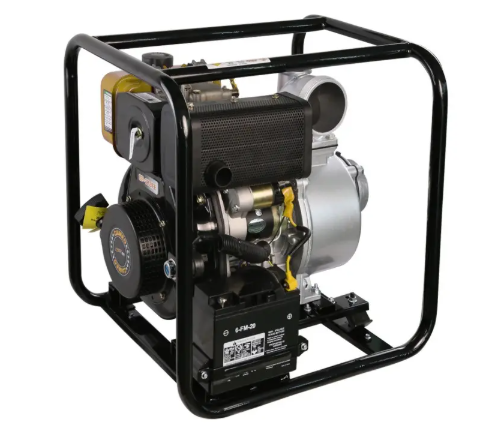
An industrial diesel generator set serves as the backbone of reliable power generation in manufacturing facilities, data centers, hospitals, and numerous other critical applications. These sophisticated power systems combine multiple components working in perfect harmony to deliver consistent, high-quality electricity when grid power fails or when primary power sources are unavailable. Understanding the intricate design and functionality of each component within an industrial diesel generator set enables facility managers, engineers, and procurement specialists to make informed decisions about power backup solutions. The complexity of these systems demands careful consideration of each element, from the fundamental engine block to the advanced control systems that monitor performance and ensure optimal operation across varying load conditions.
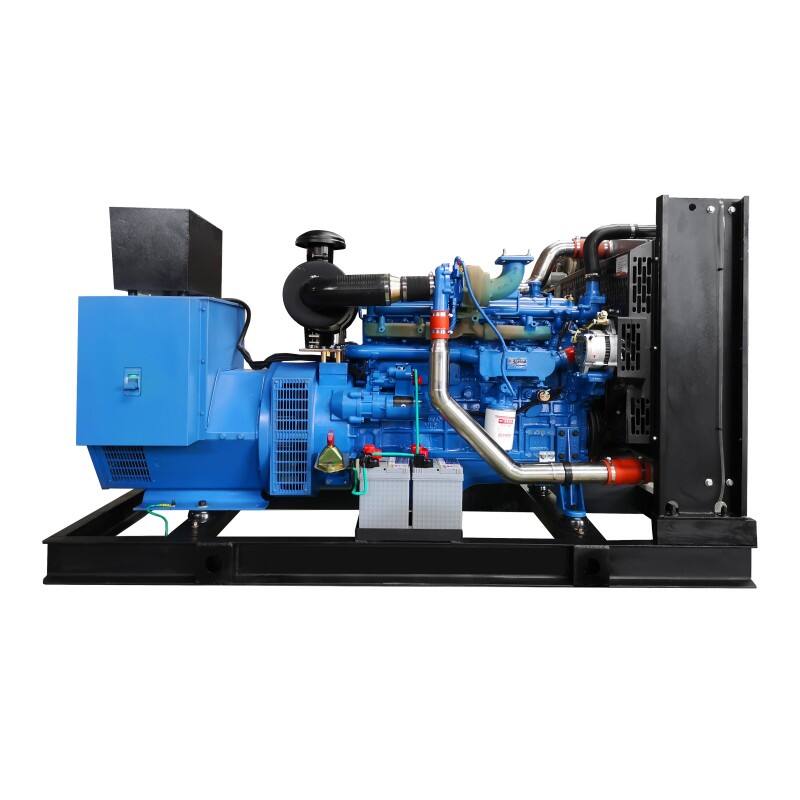
Engine Block and Internal Components
Cylinder Configuration and Design
The heart of any industrial diesel generator set lies within its engine block, where the fundamental power generation process begins. Modern industrial generators typically feature inline or V-configuration engines, with cylinder counts ranging from four to sixteen depending on power requirements. Each cylinder houses precisely engineered pistons that compress air to extreme temperatures, creating the ideal conditions for diesel fuel combustion. The compression ratio in these engines typically ranges from 14:1 to 23:1, significantly higher than gasoline engines, which contributes to their superior fuel efficiency and longevity.
The cylinder head design incorporates multiple valves per cylinder, usually featuring four-valve configurations with two intake and two exhaust valves. This design maximizes airflow efficiency and ensures complete combustion of the fuel-air mixture. Advanced valve timing systems, including variable valve timing in premium models, optimize performance across different load conditions. The engine block construction utilizes high-grade cast iron or aluminum alloy materials, engineered to withstand the intense pressures and temperatures generated during operation while maintaining dimensional stability over extended periods.
Crankshaft and Power Transmission
The crankshaft assembly represents one of the most critical components in the power transmission chain of an industrial diesel generator set. Forged from high-strength steel alloys, the crankshaft converts the linear motion of pistons into rotational motion that drives the generator alternator. The crankshaft design incorporates counterweights strategically positioned to minimize vibrations and ensure smooth operation at varying RPM levels. Precision balancing of the crankshaft assembly is crucial for reducing wear on bearings and other rotating components.
Supporting the crankshaft are main bearings and connecting rod bearings, typically constructed from specialized bearing materials that can withstand high loads while maintaining low friction coefficients. These bearings require precise oil pressure and temperature control to ensure optimal lubrication. The connecting rods themselves are manufactured from forged steel or aluminum alloys, designed to transmit the immense forces generated during combustion while maintaining structural integrity throughout millions of operational cycles.
Fuel System Architecture
Fuel Injection Technology
Modern industrial diesel generator sets employ sophisticated fuel injection systems that precisely control the timing, quantity, and atomization of diesel fuel delivered to each cylinder. Common rail injection systems have become the standard in high-performance generators, featuring a high-pressure fuel rail that maintains consistent pressure across all injectors. These systems operate at pressures exceeding 2000 bar, enabling extremely fine fuel atomization that promotes complete combustion and reduces emissions. Electronic control units monitor engine parameters in real-time and adjust injection timing and quantity to optimize performance and fuel efficiency.
Each fuel injector contains precision-machined components that must operate with tolerances measured in microns. The injector nozzles feature multiple holes arranged in specific patterns to create optimal fuel spray patterns within the combustion chamber. Regular maintenance of these injectors is essential for maintaining fuel efficiency and preventing carbon buildup that can affect performance. Advanced systems include fuel injector monitoring capabilities that can detect malfunctioning injectors and alert operators to potential issues before they impact generator performance.
Fuel Delivery and Filtration
The fuel delivery system begins with the primary fuel tank, which must be sized appropriately for the expected runtime requirements of the installation. Fuel pumps, typically electric or engine-driven mechanical pumps, move diesel fuel from the tank through a series of filters designed to remove contaminants that could damage sensitive injection components. Primary fuel filters remove larger particles and water separators extract moisture that can cause corrosion and fuel degradation. Secondary fuel filters provide final filtration before fuel reaches the injection system.
Fuel quality management extends beyond filtration to include fuel conditioning systems that may incorporate fuel heaters for cold weather operation and biocide treatments to prevent microbial growth in stored fuel. Return fuel lines route unused fuel back to the tank, creating a circulation system that helps maintain fuel quality and prevents fuel degradation. Fuel level monitoring systems provide real-time information about fuel consumption rates and remaining runtime, enabling proactive fuel management and preventing unexpected shutdowns due to fuel depletion.
Alternator and Electrical Generation
Alternator Design and Construction
The alternator component of an industrial diesel generator set converts the mechanical energy produced by the engine into electrical energy through electromagnetic induction. Modern alternators feature brushless designs that eliminate the maintenance requirements associated with carbon brush replacement while providing superior reliability and longer service life. The rotor assembly contains powerful permanent magnets or electromagnets that create the magnetic field necessary for electrical generation. As the rotor spins within the stator windings, it induces electrical current in the copper conductors.
Stator construction involves precision winding of copper conductors arranged in specific patterns to produce three-phase electrical output. The insulation systems used in these windings must withstand high temperatures, electrical stress, and environmental conditions while maintaining their dielectric properties throughout the generator's operational life. Advanced insulation materials and vacuum pressure impregnation processes ensure reliable insulation performance. The stator core consists of laminated steel stampings designed to minimize eddy current losses and maximize magnetic efficiency.
Voltage Regulation and Control
Voltage regulation systems maintain consistent electrical output despite varying load conditions and engine speed fluctuations. Automatic voltage regulators monitor output voltage continuously and adjust the excitation current to the alternator field windings to maintain stable voltage levels. These systems typically maintain voltage regulation within plus or minus one percent of rated voltage across the full load range. Digital voltage regulators offer superior accuracy and response time compared to analog systems, with advanced models providing programmable parameters and comprehensive monitoring capabilities.
Power factor correction capabilities help optimize electrical efficiency by minimizing reactive power in the system. Some advanced alternators include built-in power factor correction systems that automatically adjust to maintain optimal power factor regardless of load characteristics. Harmonic distortion levels are carefully controlled through alternator design and may include additional filtering systems to ensure clean electrical output suitable for sensitive electronic equipment. Modern alternators also incorporate protection systems that monitor for overvoltage, undervoltage, overcurrent, and other fault conditions.
Cooling System Components
Radiator and Heat Exchange
Effective cooling systems are essential for maintaining optimal operating temperatures in industrial diesel generator sets, preventing overheating damage and ensuring consistent performance. The radiator serves as the primary heat exchanger, transferring waste heat from the engine coolant to the surrounding air. Radiator construction typically features aluminum or copper-brass cores with multiple rows of tubes and fins designed to maximize heat transfer surface area. The tube and fin arrangement creates turbulent airflow that enhances heat transfer efficiency while minimizing pressure drop across the radiator core.
Cooling fan systems provide the airflow necessary for heat rejection, with options including belt-driven, electric, or hydraulic fan drives depending on the application requirements. Variable speed fan controls adjust fan speed based on coolant temperature, optimizing cooling efficiency while minimizing parasitic power losses and noise levels. Fan shroud designs direct airflow efficiently through the radiator core while protecting personnel from rotating components. Some installations include remote radiator configurations where the radiator is located separately from the generator set to accommodate space constraints or environmental considerations.
Coolant Circulation and Temperature Control
The coolant circulation system includes water pumps that maintain continuous coolant flow through the engine block, cylinder heads, and radiator. Centrifugal water pumps are typically engine-driven through belt or gear systems, providing flow rates proportional to engine speed. Thermostat controls regulate coolant flow through the radiator, allowing rapid engine warm-up while preventing overcooling during light load conditions. Multi-stage thermostats provide precise temperature control and may include bypass circuits that maintain coolant circulation even when the thermostat is closed.
Coolant mixture specifications typically include ethylene glycol antifreeze mixed with distilled water in ratios appropriate for the expected operating environment. The coolant mixture provides freeze protection, raises the boiling point, and includes corrosion inhibitors that protect metal surfaces throughout the cooling system. Coolant level monitoring systems alert operators to low coolant conditions that could lead to overheating. Expansion tanks accommodate coolant volume changes due to temperature variations while maintaining system pressure through pressure caps designed to specific pressure ratings.
Control System Integration
Engine Management Systems
Modern industrial diesel generator sets incorporate sophisticated engine management systems that monitor and control numerous engine parameters to optimize performance, efficiency, and reliability. These electronic control modules process inputs from dozens of sensors throughout the engine, including temperature sensors, pressure sensors, speed sensors, and position sensors. The control algorithms continuously adjust fuel injection timing, fuel quantity, air intake parameters, and other variables to maintain optimal engine operation across all load conditions and environmental factors.
Diagnostic capabilities built into engine management systems provide real-time monitoring of engine health and performance parameters. Fault codes generated by the system help technicians quickly identify and resolve issues before they result in equipment damage or unplanned downtime. Data logging features record operating parameters over time, enabling trend analysis and predictive maintenance scheduling. Communication interfaces allow remote monitoring and control of the generator set through various protocols including Modbus, CAN bus, and Ethernet connections.
Generator Control Panels
The generator control panel serves as the central interface between operators and the generator system, providing monitoring, control, and protection functions. Digital control panels display real-time operating parameters including voltage, current, frequency, power output, fuel level, coolant temperature, oil pressure, and numerous other critical measurements. User-configurable alarms and shutdowns protect the generator from operating outside safe parameters while providing operators with timely notifications of developing issues.
Automatic start and transfer capabilities enable seamless transition from utility power to generator power during outages. Load bank testing functions allow operators to verify generator performance under controlled load conditions without disrupting facility operations. Advanced control panels include networking capabilities that integrate with building management systems and allow remote monitoring through web-based interfaces. Programming capabilities enable customization of operating parameters, alarm setpoints, and control logic to meet specific application requirements.
FAQ
What maintenance intervals are recommended for industrial diesel generator sets
Maintenance intervals for industrial diesel generator sets vary based on operating conditions, load factors, and manufacturer specifications, but typically include daily visual inspections, weekly load testing, monthly comprehensive inspections, and annual major service intervals. Daily checks should include coolant levels, oil levels, fuel levels, and visual inspection for leaks or damage. Weekly load testing helps ensure the system operates properly under load conditions and helps prevent wet stacking in diesel engines. Monthly maintenance includes battery testing, control panel calibration checks, and detailed inspection of all system components. Annual maintenance involves comprehensive engine servicing, alternator inspection, cooling system service, and detailed testing of all protection and control systems.
How do I determine the correct size industrial diesel generator set for my facility
Sizing an industrial diesel generator set requires careful analysis of both steady-state power requirements and starting surge demands of all connected loads. Begin by conducting a comprehensive load analysis that includes lighting, HVAC systems, motors, computers, and any other electrical equipment that must operate during power outages. Consider the starting current requirements of motors, which can be five to seven times their running current. Factor in future expansion needs and include appropriate safety margins, typically twenty to twenty-five percent above calculated requirements. Environmental conditions, altitude, and ambient temperature also affect generator capacity and should be considered in sizing calculations. Professional electrical engineers can provide detailed load analysis and generator sizing recommendations for complex applications.
What fuel quality requirements apply to industrial diesel generator sets
Industrial diesel generator sets require high-quality diesel fuel meeting specific standards such as ASTM D975 or EN 590 to ensure reliable operation and prevent damage to fuel system components. Fuel should have appropriate cetane ratings, typically 40 or higher, to ensure proper ignition characteristics. Water content must be minimized as water can cause corrosion, fuel system damage, and microbial growth that clogs filters and injectors. Fuel storage systems should include water separation and fuel conditioning equipment to maintain fuel quality over extended storage periods. Regular fuel testing helps identify potential quality issues before they affect generator performance. Biocide treatments may be necessary to prevent microbial growth in stored fuel, particularly in warm, humid environments.
What environmental considerations affect industrial diesel generator set installation
Environmental factors significantly impact industrial diesel generator set installation and operation, including ambient temperature, altitude, humidity, and local air quality regulations. High ambient temperatures reduce generator capacity and may require enhanced cooling systems or derating of power output. High altitude installations require power derating due to reduced air density and may need turbocharged engines to maintain performance. Humidity affects electrical insulation systems and may require additional protection measures. Local emissions regulations may dictate specific engine technologies, exhaust after-treatment systems, and operating permits. Noise regulations often require sound attenuation measures such as acoustic enclosures or barriers. Proper ventilation and exhaust systems are essential for safe operation and compliance with building codes and environmental regulations.
Table of Contents
- Engine Block and Internal Components
- Fuel System Architecture
- Alternator and Electrical Generation
- Cooling System Components
- Control System Integration
-
FAQ
- What maintenance intervals are recommended for industrial diesel generator sets
- How do I determine the correct size industrial diesel generator set for my facility
- What fuel quality requirements apply to industrial diesel generator sets
- What environmental considerations affect industrial diesel generator set installation