 EN
EN
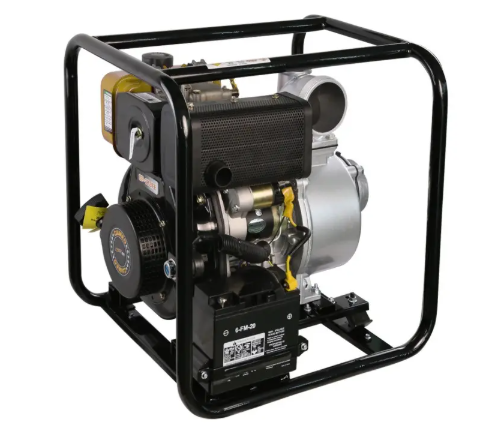
Selecting the right diesel generator set for your facility or operation is a critical decision that can significantly impact your business continuity, operational efficiency, and long-term costs. Whether you need backup power for a hospital, manufacturing plant, data center, or remote construction site, understanding the key factors that influence generator performance and reliability will help you make an informed investment. A properly chosen diesel generator set ensures uninterrupted power supply during outages while providing the durability and fuel efficiency that modern businesses demand.
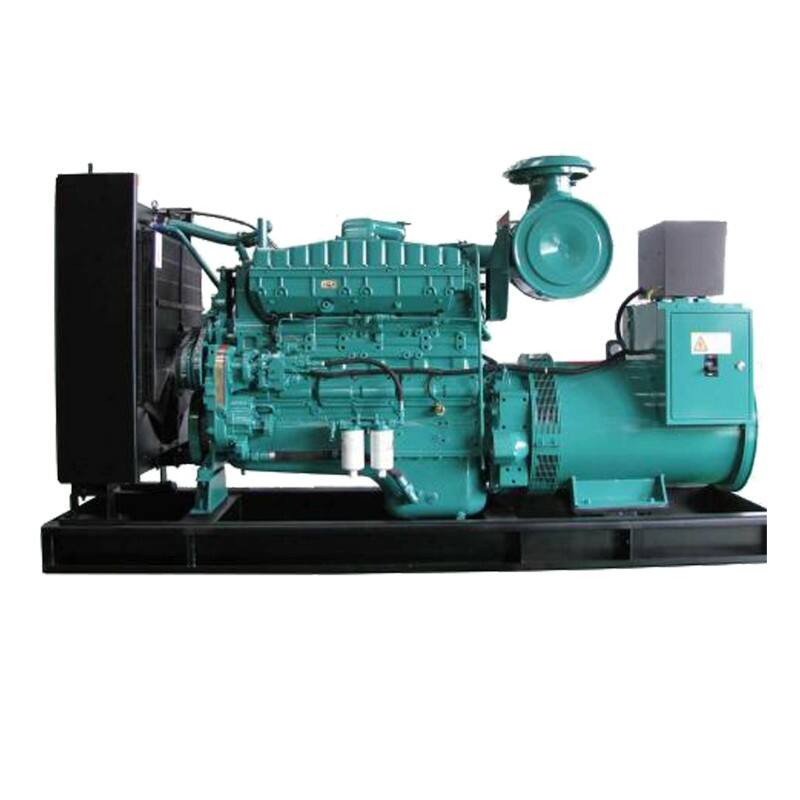
Understanding Power Requirements and Load Analysis
Calculating Your Essential Power Needs
Before investing in any diesel generator set, conducting a comprehensive load analysis is fundamental to ensuring optimal performance and avoiding costly oversizing or undersizing issues. Start by identifying all critical electrical equipment that must remain operational during a power outage, including lighting systems, HVAC units, computers, servers, medical equipment, and manufacturing machinery. Document the starting and running wattage requirements for each piece of equipment, paying special attention to motors and compressors that require significantly higher power during startup.
Professional load calculations should account for both continuous and intermittent loads, as well as future expansion plans that might increase power demands. Consider seasonal variations in electrical consumption, particularly for facilities with significant heating or cooling requirements. Many businesses underestimate their actual power needs, leading to generator overload situations that can damage equipment and compromise reliability during critical moments when backup power is most needed.
Standby Versus Prime Power Applications
Understanding the distinction between standby and prime power applications is crucial when selecting a diesel generator set configuration. Standby generators are designed to operate during utility outages for limited durations, typically rated for emergency use with maximum annual operating hours restrictions. These units offer cost-effective backup solutions for facilities with reliable utility power that occasionally experience brief outages.
Prime power generators, conversely, are engineered for continuous or extended operation as the primary electrical source. Remote locations, construction sites, and facilities with unreliable utility connections benefit from prime-rated diesel generator sets that can operate indefinitely under varying load conditions. Prime power units typically feature more robust components, enhanced cooling systems, and extended maintenance intervals to support demanding operational requirements.
Engine Specifications and Performance Characteristics
Engine Type and Manufacturer Considerations
The heart of any diesel generator set is its engine, and selecting a reputable manufacturer with proven reliability records directly impacts long-term operational success. Leading engine manufacturers like Cummins, Caterpillar, Perkins, and Volvo offer different advantages in terms of fuel efficiency, emissions compliance, parts availability, and service network coverage. Evaluate engines based on their track record in similar applications, considering factors such as altitude compensation, temperature tolerance, and environmental certifications.
Engine displacement, cylinder configuration, and aspiration methods significantly influence generator performance characteristics and operational costs. Turbocharged engines typically offer better power-to-weight ratios and fuel efficiency compared to naturally aspirated alternatives, while electronic fuel injection systems provide superior emissions control and responsive load acceptance. Consider engines with advanced monitoring systems that provide real-time diagnostics and predictive maintenance capabilities to minimize unexpected downtime and optimize service intervals.
Fuel System Design and Efficiency
Fuel system design plays a critical role in diesel generator set reliability and operational economics, particularly for applications requiring extended runtime capabilities. High-quality fuel filtration systems protect injection components from contamination while fuel-water separators prevent moisture-related issues that can compromise engine performance. Consider generators equipped with dual fuel filters and automated fuel transfer systems for applications requiring continuous operation without manual intervention.
Fuel consumption rates vary significantly between different diesel generator set models and load conditions, directly impacting operational costs over the equipment lifespan. Modern electronically controlled engines optimize fuel delivery based on actual load demands, reducing consumption during light-load conditions while maintaining rapid response to sudden load increases. Evaluate fuel tank capacity requirements based on expected runtime needs, considering local fuel delivery logistics and emergency fuel storage regulations.
Electrical System Components and Configuration
Alternator Selection and Voltage Regulation
The alternator transforms mechanical energy from the diesel engine into electrical power, making its selection critical for maintaining stable voltage and frequency output under varying load conditions. Brushless alternators offer superior reliability and reduced maintenance requirements compared to brush-type alternatives, while self-exciting designs eliminate the need for external power sources during startup. Consider alternators with class H insulation ratings for enhanced temperature tolerance and extended service life in demanding environments.
Voltage regulation accuracy becomes increasingly important for sensitive electronic equipment that requires stable power quality. Digital automatic voltage regulators provide precise output control and rapid response to load changes, maintaining voltage within tight tolerances even during motor starting events. Evaluate alternators with harmonic distortion ratings appropriate for your specific equipment requirements, particularly when supplying variable frequency drives, UPS systems, or other power-sensitive loads.
Control Panel Features and Monitoring Capabilities
Modern diesel generator set control panels serve as the central nervous system for automated operation, monitoring, and protection functions. Advanced controllers provide comprehensive engine and electrical parameter monitoring, including real-time displays of voltage, current, frequency, oil pressure, coolant temperature, and fuel levels. Look for controllers with data logging capabilities that record operational history and fault conditions for maintenance planning and troubleshooting purposes.
Remote monitoring capabilities enable facility managers to oversee generator status from anywhere, receiving instant notifications of alarm conditions or maintenance requirements. Internet-connected controllers support smartphone applications and web-based dashboards that provide detailed operational analytics and performance trending. Consider panels with automatic start/stop functionality, load bank testing capabilities, and integration options for building management systems or SCADA networks.
Environmental Considerations and Installation Requirements
Noise Control and Acoustic Enclosures
Noise emissions from diesel generator sets can significantly impact installation feasibility, particularly in urban environments or near residential areas where local ordinances restrict permissible sound levels. Standard open-frame generators typically produce noise levels between 70-85 decibels at seven meters, which may exceed acceptable limits for many applications. Acoustic enclosures reduce noise emissions by 15-25 decibels while providing weather protection and security benefits.
Sound-attenuated enclosures incorporate advanced noise reduction technologies including multi-layer acoustic insulation, resonator chambers, and specially designed ventilation systems that maintain proper engine cooling while minimizing sound transmission. Consider the specific noise requirements for your installation location, including daytime versus nighttime restrictions, and evaluate whether additional noise mitigation measures such as acoustic barriers or underground installations might be necessary to achieve compliance.
Emissions Compliance and Environmental Regulations
Environmental regulations governing diesel generator emissions continue to evolve, with stricter standards requiring advanced emission control technologies for new installations. EPA Tier 4 Final standards mandate significant reductions in nitrogen oxides and particulate matter emissions, often necessitating selective catalytic reduction systems, diesel particulate filters, or exhaust gas recirculation technologies. Evaluate local air quality regulations and permitting requirements early in the selection process to ensure compliance and avoid costly retrofits.
Emergency standby generators may qualify for exemptions from certain emissions regulations, but these exemptions often include limitations on annual operating hours and testing requirements. Consider the long-term regulatory landscape and potential changes that might affect your diesel generator set operations, particularly for installations with extended operational lifespans. Advanced emission control systems may increase initial costs but provide operational flexibility and regulatory compliance advantages.
Maintenance Requirements and Service Considerations
Scheduled Maintenance Protocols
Proper maintenance scheduling is essential for maximizing diesel generator set reliability and extending operational lifespan while minimizing unexpected failures during critical power outages. Manufacturer-recommended maintenance intervals typically include weekly visual inspections, monthly load testing, and periodic service procedures ranging from oil changes every 250-500 hours to major overhauls after 15,000-25,000 operating hours. Develop comprehensive maintenance protocols that address both time-based and usage-based service requirements.
Load bank testing validates generator performance capabilities and identifies potential issues before they compromise emergency response. Regular testing under simulated load conditions exercises all generator components, prevents fuel system degradation, and ensures proper operation of protective systems. Consider automated load testing systems that can perform scheduled tests without manual intervention, providing documented proof of generator readiness for regulatory compliance and insurance requirements.
Parts Availability and Service Network Coverage
Evaluating manufacturer service network coverage and parts availability significantly impacts long-term ownership costs and equipment reliability. Established manufacturers with extensive dealer networks provide better access to trained technicians, genuine replacement parts, and emergency service support during critical situations. Consider the proximity of authorized service centers to your installation location and their capability to provide 24/7 emergency response when generator reliability is paramount.
Standardization on common engine platforms and electrical components simplifies parts inventory management and reduces procurement costs for facilities operating multiple generator units. Evaluate parts pricing structures, warranty coverage terms, and availability of remanufactured components that can provide cost-effective alternatives for older equipment. Consider establishing service agreements that include preventive maintenance, priority parts availability, and guaranteed response times for emergency repairs.
FAQ
What size diesel generator set do I need for my business
Determining the correct generator size requires a comprehensive electrical load analysis that accounts for both continuous and starting loads of all critical equipment. Start by listing all essential devices that must operate during a power outage, including their running and starting wattage requirements. Add a 20-25% safety margin to accommodate future expansion and unexpected load increases. For most commercial applications, consulting with a qualified electrical engineer ensures accurate sizing that prevents both undersizing problems and costly oversizing that wastes money on unnecessary capacity.
How often should I test my standby diesel generator
Most manufacturers recommend weekly automatic start tests lasting 15-30 minutes to verify proper operation and maintain battery charge levels. Monthly load testing under actual electrical loads should run for at least one hour to exercise all generator components and prevent fuel system issues. Annual load bank testing with full-rated load validates complete generator performance capabilities and may be required for regulatory compliance. Regular testing schedules help identify potential problems before they compromise emergency backup power availability.
What maintenance is required for diesel generator sets
Routine maintenance includes daily visual inspections checking for leaks or unusual conditions, weekly automatic start tests, and monthly comprehensive inspections covering fluid levels, battery condition, and belt tension. Scheduled service intervals typically require oil and filter changes every 250-500 hours, coolant system service annually, and air filter replacement based on operating conditions. Major maintenance including valve adjustments and fuel system overhauls occurs at longer intervals based on operating hours. Following manufacturer maintenance schedules prevents costly breakdowns and extends generator lifespan.
Can diesel generators operate in extreme weather conditions
Quality diesel generator sets are designed to operate reliably in extreme temperatures ranging from -40°F to 120°F with proper cold weather packages and cooling system configurations. Cold weather options include block heaters, battery warmers, and low-temperature fuel additives that ensure reliable starting in freezing conditions. Hot climate installations require enhanced cooling systems, high-temperature alternators, and adequate ventilation to maintain proper operating temperatures. Proper installation with weather-resistant enclosures protects generators from rain, snow, and corrosive environments while maintaining accessibility for maintenance and service.