
 EN
EN
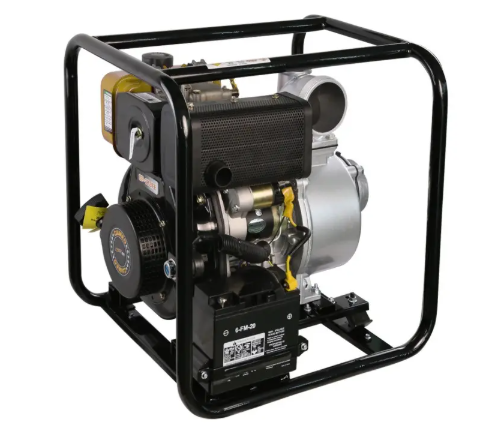
Industrial environments present unique challenges that demand reliable, robust power solutions capable of withstanding harsh conditions while maintaining consistent performance. From manufacturing plants operating around the clock to critical infrastructure facilities that cannot afford downtime, the need for dependable backup power has never been more crucial. A diesel generator set serves as the backbone of industrial power systems, providing the reliability and durability required to keep operations running smoothly during grid failures or planned maintenance periods.
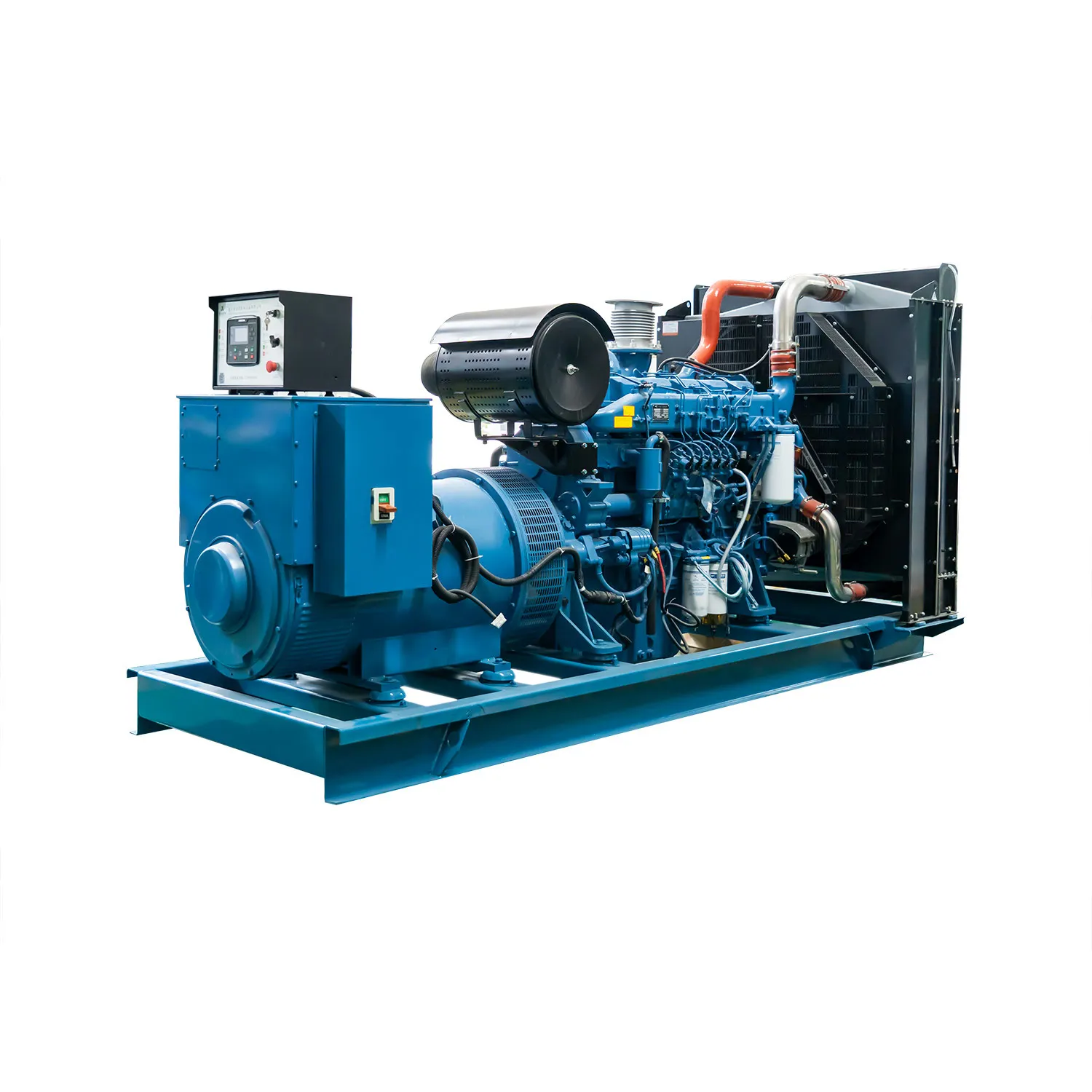
Modern industrial facilities face increasingly complex power requirements, with sensitive equipment demanding clean, stable electricity and heavy machinery requiring substantial starting currents. The integration of advanced control systems, automation equipment, and digital monitoring tools has elevated the importance of power quality while simultaneously increasing vulnerability to electrical disturbances. These factors make the selection and design of industrial power systems a critical engineering decision that impacts operational efficiency, equipment longevity, and overall business continuity.
The evolution of industrial power generation technology has brought forth sophisticated solutions that combine traditional reliability with modern efficiency standards. Today's power systems must not only provide emergency backup capabilities but also serve as integral components of comprehensive energy management strategies. This holistic approach to power system design considers factors such as load management, fuel efficiency, emissions compliance, and integration with renewable energy sources.
Understanding Industrial Power System Requirements
Load Analysis and Power Demand Calculations
Accurate load analysis forms the foundation of any robust industrial power system design. Engineers must conduct comprehensive assessments of both steady-state and transient power demands, considering the starting requirements of large motors, welding equipment, and other high-inrush current devices. The calculation process involves identifying critical loads that must remain operational during power outages, semi-critical loads that can be temporarily disconnected, and non-essential loads that can be shed to optimize generator capacity utilization.
Industrial facilities typically experience varying power demands throughout operational cycles, requiring power systems capable of efficiently handling load fluctuations. Peak demand periods often coincide with shift changes, production ramp-ups, or simultaneous operation of multiple production lines. Understanding these patterns enables engineers to size generators appropriately while incorporating load management strategies that prevent unnecessary oversizing and associated capital expenditure.
The diversity factor plays a crucial role in industrial load calculations, as not all connected loads operate simultaneously at maximum capacity. Experienced engineers apply appropriate diversity factors based on facility type, operational patterns, and historical data to optimize system sizing. This approach ensures adequate capacity while avoiding the inefficiencies associated with oversized equipment operating at low load factors for extended periods.
Environmental Considerations and Site Conditions
Industrial environments subject power generation equipment to extreme conditions including temperature variations, humidity, dust, vibration, and chemical exposure. These factors significantly influence equipment selection, installation requirements, and maintenance protocols. Diesel generators designed for industrial applications must incorporate robust enclosures, enhanced filtration systems, and corrosion-resistant materials to ensure reliable operation in challenging environments.
Altitude and ambient temperature directly affect generator performance and capacity ratings. High-altitude installations experience reduced air density, requiring derating calculations to ensure adequate power output. Similarly, elevated ambient temperatures necessitate enhanced cooling systems and may require capacity adjustments to maintain rated performance levels. Engineers must account for these environmental factors during the design phase to prevent performance shortfalls during critical operating periods.
Seismic considerations become paramount in regions prone to earthquake activity, requiring specialized mounting systems and flexible fuel line connections. Additionally, facilities located in flood-prone areas necessitate elevated installation platforms and waterproof enclosures. These site-specific requirements influence both initial installation costs and long-term maintenance strategies, emphasizing the importance of comprehensive site surveys during the planning phase.
Generator Technology and Configuration Options
Engine Selection and Performance Characteristics
The heart of any diesel generator set lies in its engine technology, which determines reliability, efficiency, and maintenance requirements. Modern industrial diesel engines incorporate advanced fuel injection systems, turbocharging, and electronic engine management to optimize performance across varying load conditions. These technological improvements have significantly enhanced fuel efficiency while reducing emissions and extending maintenance intervals compared to earlier generations of industrial generators.
Engine manufacturers have developed specialized industrial variants optimized for continuous and standby duty cycles. Continuous-rated engines feature reinforced components, enhanced cooling systems, and conservative power ratings to ensure reliable operation under sustained full-load conditions. Standby-rated engines, while capable of higher peak outputs, are designed for intermittent operation during emergency situations and planned maintenance periods.
The selection between naturally aspirated and turbocharged engines depends on application requirements and site conditions. Turbocharged engines provide superior power density and altitude performance but require more sophisticated maintenance procedures. Engine block materials, ranging from cast iron to advanced alloys, influence durability, weight, and thermal characteristics. These technical considerations must be evaluated against operational requirements, maintenance capabilities, and lifecycle cost projections.
Alternator Technology and Power Quality
Industrial alternators must deliver consistent voltage regulation, low harmonic distortion, and excellent transient response to support sensitive electronic equipment and variable frequency drives. Modern brushless alternators eliminate the maintenance requirements associated with brush-type designs while providing superior reliability and power quality. Advanced voltage regulation systems maintain tight voltage control across varying load conditions, ensuring compatibility with precision manufacturing equipment and computer systems.
The choice between single-bearing and two-bearing alternator configurations affects mechanical reliability and maintenance requirements. Two-bearing designs provide enhanced mechanical stability and extended service life, particularly in applications involving frequent starting and stopping cycles. Alternator cooling methods, including air-cooled and liquid-cooled options, influence installation requirements and environmental compatibility.
Power quality considerations extend beyond voltage regulation to include frequency stability, harmonic content, and transient response characteristics. Industrial facilities with significant non-linear loads require alternators capable of maintaining stable operation despite harmonic currents generated by variable frequency drives and rectifier-fed equipment. Proper alternator sizing and selection criteria ensure adequate short-circuit current capability for downstream protection coordination.
System Integration and Control Technologies
Automatic Transfer Switch Systems
Automatic transfer switches serve as the critical interface between utility power and backup generation systems, automatically initiating generator startup and load transfer during utility failures. Modern transfer switches incorporate sophisticated monitoring and control algorithms that distinguish between momentary disturbances and sustained outages, preventing unnecessary generator starts while ensuring rapid response to genuine power failures.
Industrial applications often require specialized transfer switch configurations including delayed transition, closed transition, and bypass isolation capabilities. Delayed transition switches provide a brief interruption during transfer operations, suitable for non-critical loads that can tolerate momentary power interruptions. Closed transition switches enable make-before-break transfers, maintaining continuous power to critical loads during utility-to-generator transitions.
Load bank testing capabilities integrated into transfer switch systems enable routine verification of generator performance without disrupting facility operations. These testing protocols ensure generators remain exercise-ready while providing documented performance verification for maintenance records and regulatory compliance. Advanced transfer switches also incorporate load shedding and restoration sequences that optimize generator loading during extended outages.
Digital Control and Monitoring Systems
Contemporary generator control systems leverage digital technology to provide comprehensive monitoring, diagnostics, and remote management capabilities. These systems continuously monitor engine parameters, alternator performance, and environmental conditions while maintaining detailed operational logs for maintenance planning and regulatory reporting. Advanced control panels integrate with facility management systems, enabling centralized monitoring and control of multiple generator installations.
Predictive maintenance capabilities embedded in modern control systems analyze operational data to identify developing issues before they result in equipment failures. These systems track engine hours, load profiles, fuel consumption patterns, and maintenance intervals while providing automated alerts for scheduled service requirements. Integration with mobile applications and web-based platforms enables remote monitoring and diagnostics, reducing response times for maintenance and repair activities.
Cybersecurity considerations have become increasingly important as generator control systems integrate with corporate networks and cloud-based monitoring services. Modern control systems incorporate encryption, authentication protocols, and secure communication channels to protect against unauthorized access while maintaining operational visibility. Regular firmware updates and security patches ensure ongoing protection against evolving cyber threats.
Installation and Infrastructure Requirements
Mechanical Installation Considerations
Proper mechanical installation forms the foundation for reliable generator operation and longevity. Foundation design must account for dynamic loads generated during operation, seismic requirements, and thermal expansion characteristics. Concrete foundations typically require reinforcement and proper curing periods to achieve specified load-bearing capabilities. Vibration isolation systems protect surrounding structures and equipment while reducing noise transmission to occupied areas.
Clearance requirements around generator installations facilitate routine maintenance activities and emergency repairs. These clearances accommodate component removal, cooling air circulation, and technician access for inspection procedures. Indoor installations require adequate ventilation systems to remove combustion air and dissipate heat generated during operation. Outdoor installations necessitate weather protection and security measures while maintaining accessibility for fuel delivery and maintenance vehicles.
Alignment procedures for engine-alternator coupling systems ensure smooth operation and prevent premature bearing wear. Precision alignment tools and techniques minimize vibration and extend component service life. Flexible couplings accommodate minor misalignments while transmitting power efficiently between engine and alternator components. Regular alignment verification during maintenance intervals maintains optimal performance and reliability.
Fuel System Design and Safety
Industrial fuel systems must provide reliable fuel delivery while incorporating safety measures to prevent environmental contamination and fire hazards. Fuel tank sizing calculations consider runtime requirements, delivery schedules, and emergency operation scenarios. Above-ground and underground tank installations each present unique advantages and challenges regarding accessibility, environmental protection, and regulatory compliance.
Fuel quality management systems prevent contamination issues that can compromise generator reliability. Water separation filters, fuel polishing systems, and biocide treatments maintain fuel quality during extended storage periods. Fuel monitoring systems track consumption patterns, detect leaks, and provide inventory management for refueling operations. These systems integrate with generator control panels to provide comprehensive fuel management capabilities.
Secondary containment systems protect against fuel spills and meet environmental regulations for petroleum storage. Double-wall tanks, containment berms, and leak detection systems provide multiple layers of protection against environmental contamination. Fuel system safety features include emergency shutoff valves, pressure relief systems, and fire suppression integration. Regular inspection and testing procedures ensure ongoing compliance with environmental and safety regulations.
Maintenance and Lifecycle Management
Preventive Maintenance Programs
Comprehensive preventive maintenance programs ensure reliable generator performance while optimizing operational costs and equipment longevity. These programs encompass routine inspections, scheduled component replacements, and performance testing procedures based on operating hours, calendar intervals, and operational conditions. Maintenance schedules must account for duty cycle variations, environmental factors, and manufacturer recommendations while adapting to facility-specific requirements.
Engine maintenance procedures include oil and filter changes, cooling system service, fuel system maintenance, and valve adjustments according to manufacturer specifications. Air filtration systems require regular inspection and replacement to prevent engine damage from contaminated intake air. Battery systems need periodic testing, electrolyte level checks, and terminal cleaning to ensure reliable starting capability during emergency situations.
Alternator maintenance involves insulation testing, bearing lubrication, and connection torque verification. Control system maintenance includes software updates, calibration verification, and backup procedures for configuration data. Documentation requirements encompass maintenance records, performance test results, and warranty compliance verification. These records support regulatory compliance while providing historical data for reliability analysis and replacement planning.
Performance Monitoring and Optimization
Continuous performance monitoring enables early detection of developing issues while optimizing operational efficiency. Key performance indicators include fuel consumption rates, operating temperatures, vibration levels, and electrical output characteristics. Trending analysis identifies gradual performance degradation that may indicate component wear or adjustment requirements before failures occur.
Load bank testing procedures verify generator capacity and performance under controlled conditions. These tests exercise generators at various load levels while monitoring voltage regulation, frequency stability, and thermal performance. Regular testing ensures generators remain capable of supporting facility loads during actual emergency conditions while identifying potential issues during planned maintenance windows.
Efficiency optimization strategies include load management systems that automatically shed non-critical loads during extended outages to minimize fuel consumption. Power factor correction equipment reduces reactive power demands while improving overall system efficiency. Economic dispatch algorithms for multiple generator installations optimize fuel consumption and equipment utilization across varying load conditions.
Regulatory Compliance and Standards
Environmental Regulations and Emissions Control
Environmental regulations governing industrial generator installations continue to evolve, requiring ongoing compliance monitoring and potential equipment upgrades. Emissions standards limit nitrogen oxides, particulate matter, and other pollutants based on generator size, operating hours, and geographic location. Tier 4 emission standards have driven significant improvements in engine technology while requiring advanced aftertreatment systems for larger generators.
Air quality permits may be required for installations exceeding specified operating thresholds or emission levels. These permits establish operating limits, monitoring requirements, and reporting obligations that must be incorporated into facility operations. Noise ordinances in urban and industrial areas may necessitate acoustic enclosures or installation restrictions that influence generator selection and placement decisions.
Fuel storage regulations address environmental protection, spill prevention, and groundwater contamination risks. Secondary containment requirements, leak detection systems, and regular inspection schedules ensure ongoing compliance with environmental protection standards. Record-keeping requirements document fuel deliveries, consumption patterns, and maintenance activities for regulatory reporting and compliance verification.
Electrical Code Requirements and Safety Standards
Electrical installations must comply with National Electrical Code requirements covering generator connections, grounding systems, and protection coordination. These standards ensure safe installation and operation while providing clear guidelines for equipment selection and installation procedures. Local amendments to national codes may impose additional requirements that influence design decisions and installation costs.
Arc flash analysis and labeling requirements have become increasingly important for industrial electrical systems. Generator installations must include appropriate warning labels, personal protective equipment specifications, and incident energy calculations. Regular updates to arc flash studies ensure ongoing worker safety as system configurations change or equipment is modified.
Seismic qualification standards require specialized mounting systems and flexible connections in earthquake-prone regions. These requirements influence equipment selection, installation procedures, and ongoing inspection requirements. Fire protection standards may mandate suppression systems, fire-rated separations, and emergency shutdown procedures for generator installations in critical facilities.
FAQ
What factors determine the appropriate size for an industrial diesel generator set
Generator sizing depends on several critical factors including total connected load, load diversity factors, starting requirements for large motors, and future expansion plans. Engineers must analyze both steady-state power demands and transient requirements such as motor starting currents. The duty cycle classification (standby, prime, or continuous) significantly influences sizing calculations, with continuous-rated applications requiring more conservative capacity margins. Environmental factors such as altitude and ambient temperature also affect generator capacity ratings and must be considered during the sizing process.
How do environmental conditions affect generator performance and selection
Environmental conditions significantly impact generator performance through effects on engine power output, cooling system efficiency, and component longevity. High altitude installations experience reduced air density, requiring generator derating typically at 3% per 1000 feet above sea level. Extreme temperatures affect both engine performance and battery systems, while corrosive atmospheres may require specialized enclosure materials and enhanced filtration systems. Dust, humidity, and vibration levels influence maintenance intervals and component selection, emphasizing the importance of comprehensive site surveys during the planning phase.
What maintenance requirements are essential for industrial generator reliability
Industrial generators require comprehensive maintenance programs including routine engine service, electrical system inspection, and fuel system maintenance. Key activities include regular oil and filter changes based on operating hours, cooling system service, battery maintenance, and fuel quality management. Exercise testing under load conditions ensures generators remain ready for emergency operation while identifying potential issues during planned maintenance windows. Documentation of all maintenance activities supports warranty compliance and provides historical data for reliability analysis and replacement planning.
How do modern control systems enhance generator operation and monitoring
Contemporary generator control systems provide comprehensive monitoring, automatic operation, and predictive maintenance capabilities through digital technology integration. These systems continuously track engine parameters, electrical output, and environmental conditions while maintaining detailed operational logs. Remote monitoring capabilities enable real-time status updates and diagnostic information through mobile applications and web-based platforms. Advanced control systems also integrate with facility management systems for centralized monitoring and can automatically perform load shedding and restoration sequences to optimize generator performance during extended outages.
Table of Contents
- Understanding Industrial Power System Requirements
- Generator Technology and Configuration Options
- System Integration and Control Technologies
- Installation and Infrastructure Requirements
- Maintenance and Lifecycle Management
- Regulatory Compliance and Standards
-
FAQ
- What factors determine the appropriate size for an industrial diesel generator set
- How do environmental conditions affect generator performance and selection
- What maintenance requirements are essential for industrial generator reliability
- How do modern control systems enhance generator operation and monitoring