 EN
EN
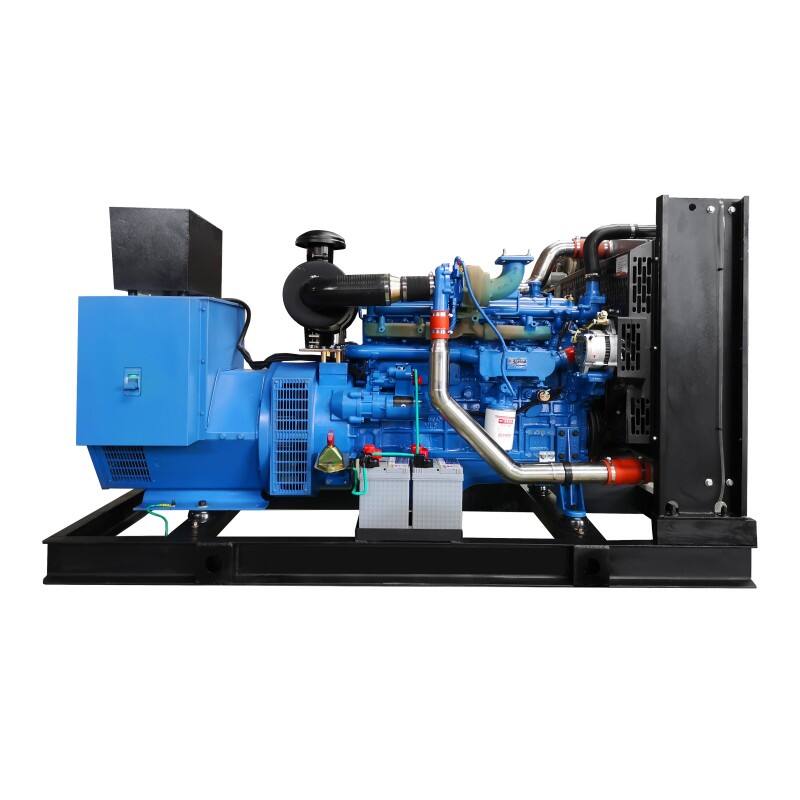
Industrial operations and large-scale energy projects require reliable, continuous power supply to maintain productivity and ensure operational safety. When grid power fails or becomes unreliable, businesses turn to robust backup power solutions that can handle substantial electrical loads while maintaining consistent performance. A diesel generator represents one of the most dependable and cost-effective solutions for industrial power generation, offering superior fuel efficiency, durability, and scalability for diverse applications across manufacturing, construction, data centers, and critical infrastructure projects.
Understanding Industrial Power Requirements
Critical Load Assessment and Power Planning
Effective power planning begins with comprehensive load assessment that identifies essential equipment, operational priorities, and power consumption patterns throughout industrial facilities. Engineers must evaluate both steady-state and transient power demands, considering motor starting requirements, surge loads, and harmonic distortion factors that influence generator sizing and configuration. Modern industrial facilities often require three-phase power distribution systems capable of handling loads ranging from 400kW to 2500kW or higher, depending on facility size and operational complexity.
Power quality considerations become increasingly important as industrial equipment becomes more sophisticated and sensitive to voltage fluctuations, frequency variations, and harmonic distortion. A properly sized diesel generator must maintain tight voltage regulation within ±5% and frequency stability within ±0.25% to protect sensitive electronic equipment and ensure optimal performance of variable frequency drives, programmable logic controllers, and precision manufacturing equipment.
Scalability and Modular Power Solutions
Large-scale energy projects often require modular power approaches that allow for phased implementation and future expansion capabilities. Diesel generator systems can be configured in parallel arrangements, enabling load sharing between multiple units while providing built-in redundancy for critical operations. This modular approach allows facilities to start with base power requirements and add additional generating capacity as operations expand or power demands increase over time.
Automatic load management systems coordinate multiple generators to optimize fuel consumption, reduce maintenance intervals, and ensure balanced operation across all units. Advanced control systems monitor individual generator performance, automatically start and stop units based on load demand, and provide seamless load transfer capabilities that maintain power continuity during transitions between grid power and generator operation.
Technical Specifications and Performance Characteristics
Engine Technology and Fuel Efficiency
Modern diesel generator technology incorporates advanced engine designs that maximize fuel efficiency while meeting stringent emissions standards required for industrial applications. Four-stroke, turbocharged engines with intercooling systems deliver optimal power-to-weight ratios and extended service intervals that reduce operational costs and maintenance requirements. Electronic fuel injection systems provide precise fuel metering that optimizes combustion efficiency across varying load conditions while minimizing emissions and fuel consumption.
Water-cooled engine systems maintain consistent operating temperatures under continuous duty cycles, enabling reliable operation in demanding industrial environments. Radiator cooling systems with thermostatically controlled fans automatically adjust cooling capacity based on ambient temperatures and engine load conditions, ensuring optimal performance in temperature ranges from -40°C to 50°C while maintaining extended engine life and reliability.
Alternator Design and Power Output
Brushless alternator designs eliminate maintenance requirements associated with carbon brushes while providing superior voltage regulation and harmonic performance for sensitive industrial loads. Permanent magnet generators offer enhanced efficiency and reduced maintenance compared to conventional excited alternators, while maintaining excellent voltage regulation characteristics under varying load conditions and power factor variations.
Three-phase alternators designed for 50Hz and 60Hz operation provide flexibility for international projects and equipment compatibility requirements. Digital automatic voltage regulators maintain precise voltage control within ±1% under steady-state conditions and ±3% during transient load changes, ensuring compatibility with sophisticated industrial equipment that requires stable power quality for optimal performance and longevity.
Installation and Integration Considerations
Site Preparation and Infrastructure Requirements
Proper site preparation ensures optimal diesel generator performance and compliance with local building codes and environmental regulations. Concrete foundations must be designed to support generator weight while providing vibration isolation that minimizes noise transmission to adjacent structures. Foundation designs should account for thermal expansion, seismic considerations, and accessibility requirements for maintenance operations.
Fuel system infrastructure includes primary and secondary fuel tanks, transfer pumps, filtration systems, and leak detection monitoring that ensures reliable fuel supply while meeting environmental protection requirements. Fuel storage capacity typically provides 24-72 hours of continuous operation at full load, with provisions for fuel delivery and tank monitoring systems that alert operators to low fuel conditions before critical levels are reached.
Electrical Integration and Control Systems
Electrical integration requires careful coordination between generator output characteristics, facility electrical distribution systems, and automatic transfer switch specifications. Digital control panels provide comprehensive monitoring and control capabilities including remote monitoring, data logging, and integration with building management systems or supervisory control and data acquisition networks.
Protection systems include overcurrent protection, ground fault detection, reverse power protection, and frequency/voltage monitoring that automatically shut down generators during abnormal operating conditions. Automatic start systems respond to utility power failures within 10-15 seconds, restoring critical loads before backup battery systems are depleted or critical processes are interrupted.
Maintenance and Operational Excellence
Preventive Maintenance Protocols
Comprehensive maintenance programs maximize generator reliability and extend equipment life while minimizing unplanned downtime and repair costs. Regular maintenance intervals include daily visual inspections, weekly exercise periods, monthly load bank testing, and annual comprehensive inspections that verify all systems operate within specified parameters.
Engine maintenance schedules follow manufacturer recommendations for oil changes, filter replacements, cooling system service, and valve adjustments based on operating hours and calendar intervals. Fuel system maintenance includes fuel quality testing, water separation, biocide treatment, and fuel tank cleaning that prevents fuel degradation and contamination issues that could affect generator performance or reliability.
Performance Monitoring and Diagnostics
Advanced monitoring systems continuously track generator performance parameters including engine temperatures, oil pressure, fuel consumption, electrical output, and vibration levels that indicate potential maintenance requirements before failures occur. Data logging capabilities provide historical performance trends that enable predictive maintenance strategies and optimize maintenance intervals based on actual operating conditions.
Remote monitoring capabilities allow maintenance personnel to monitor generator status, receive alarm notifications, and perform diagnostic functions from off-site locations. This capability reduces response times during emergency situations while enabling proactive maintenance scheduling that minimizes disruption to facility operations and ensures backup power systems remain ready for service when needed.
Applications Across Industrial Sectors
Manufacturing and Production Facilities
Manufacturing operations rely on continuous power to maintain production schedules, protect work-in-progress materials, and ensure worker safety in automated production environments. Diesel generator systems provide the reliability and capacity needed to support critical manufacturing processes including chemical processing, pharmaceutical production, food processing, and automotive assembly operations where power interruptions result in significant financial losses and product quality issues.
Process industries with continuous operations require generators capable of handling both normal operational loads and emergency shutdown procedures that safely secure equipment and materials. Generator systems must coordinate with process control systems to provide orderly shutdown sequences during extended power outages while maintaining power to critical safety systems, environmental controls, and emergency lighting throughout industrial facilities.
Data Centers and Telecommunications Infrastructure
Data centers and telecommunications facilities require uninterruptible power supplies that maintain service availability and protect valuable electronic equipment from damage caused by power quality issues. Diesel generator installations provide backup power for extended outages while uninterruptible power supply systems handle short-term fluctuations and provide seamless power transfer capabilities.
Mission-critical facilities often implement N+1 redundancy configurations where backup generators provide 100% capacity plus additional reserve capacity to ensure continued operation even during generator maintenance or unexpected equipment failures. Fuel management systems ensure adequate fuel supplies for extended operation periods while environmental controls maintain optimal operating conditions for sensitive electronic equipment.
Economic Considerations and Return on Investment
Capital Investment and Operational Costs
Initial capital investment in diesel generator systems must be evaluated against potential losses from power outages, including lost production, damaged materials, equipment replacement costs, and business interruption impacts. Comprehensive cost analysis includes equipment purchase price, installation costs, infrastructure modifications, permitting fees, and ongoing maintenance expenses over the expected equipment lifespan.
Operational cost considerations include fuel consumption, maintenance expenses, insurance requirements, and regulatory compliance costs that vary based on generator size, duty cycle, and local environmental regulations. Fuel efficiency improvements in modern generators significantly reduce operational costs compared to older technologies while extended maintenance intervals and improved component reliability minimize service requirements and associated labor costs.
Risk Mitigation and Business Continuity
Business continuity planning requires quantification of power outage risks including frequency, duration, and potential financial impacts that justify investment in backup power systems. Diesel generator installations provide measurable risk reduction by eliminating or minimizing losses associated with utility power failures, equipment damage, and business interruption claims.
Insurance considerations may include premium reductions for facilities with adequate backup power systems while regulatory compliance requirements in certain industries mandate backup power capabilities for safety and environmental protection. Return on investment calculations should include both direct cost savings and risk mitigation benefits that protect business operations and maintain competitive advantages in markets where reliability is critical for customer satisfaction and retention.
FAQ
What factors determine the appropriate diesel generator size for industrial applications
Generator sizing depends on total connected load, starting requirements for large motors, power factor considerations, and desired reserve capacity for future expansion. Professional load analysis should include both steady-state and transient load calculations, considering harmonic distortion from variable frequency drives and other electronic loads that affect generator capacity requirements.
How do modern diesel generators achieve improved fuel efficiency and reduced emissions
Advanced engine technologies including electronic fuel injection, turbocharging with intercooling, and optimized combustion chamber designs significantly improve fuel efficiency while meeting Tier 3 and Tier 4 emissions standards. Selective catalytic reduction systems and diesel particulate filters further reduce emissions while maintaining optimal fuel consumption across varying load conditions.
What maintenance requirements are necessary to ensure reliable diesel generator operation
Regular maintenance includes weekly exercise periods, monthly load bank testing, periodic oil and filter changes based on operating hours, fuel system maintenance, cooling system service, and annual comprehensive inspections. Preventive maintenance schedules should follow manufacturer recommendations while considering actual operating conditions and duty cycles specific to each installation.
How do automatic transfer switches integrate with diesel generator systems for seamless power transitions
Automatic transfer switches monitor utility power quality and automatically start generators during power failures, transferring loads within 10-15 seconds of outage detection. Digital control systems coordinate generator operation with transfer switch timing while providing load shedding capabilities and automatic return to utility power when normal service is restored, ensuring seamless operation without manual intervention.
Table of Contents
- Understanding Industrial Power Requirements
- Technical Specifications and Performance Characteristics
- Installation and Integration Considerations
- Maintenance and Operational Excellence
- Applications Across Industrial Sectors
- Economic Considerations and Return on Investment
-
FAQ
- What factors determine the appropriate diesel generator size for industrial applications
- How do modern diesel generators achieve improved fuel efficiency and reduced emissions
- What maintenance requirements are necessary to ensure reliable diesel generator operation
- How do automatic transfer switches integrate with diesel generator systems for seamless power transitions