
 EN
EN
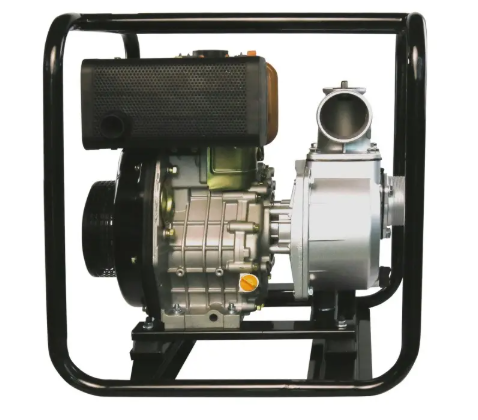
When planning outdoor adventures, having reliable power for essential devices and equipment can make the difference between a comfortable camping experience and a challenging one. A portable gasoline generator provides the consistent electrical supply needed to keep lights, communication devices, cooking equipment, and other camping essentials running smoothly throughout your outdoor journey.
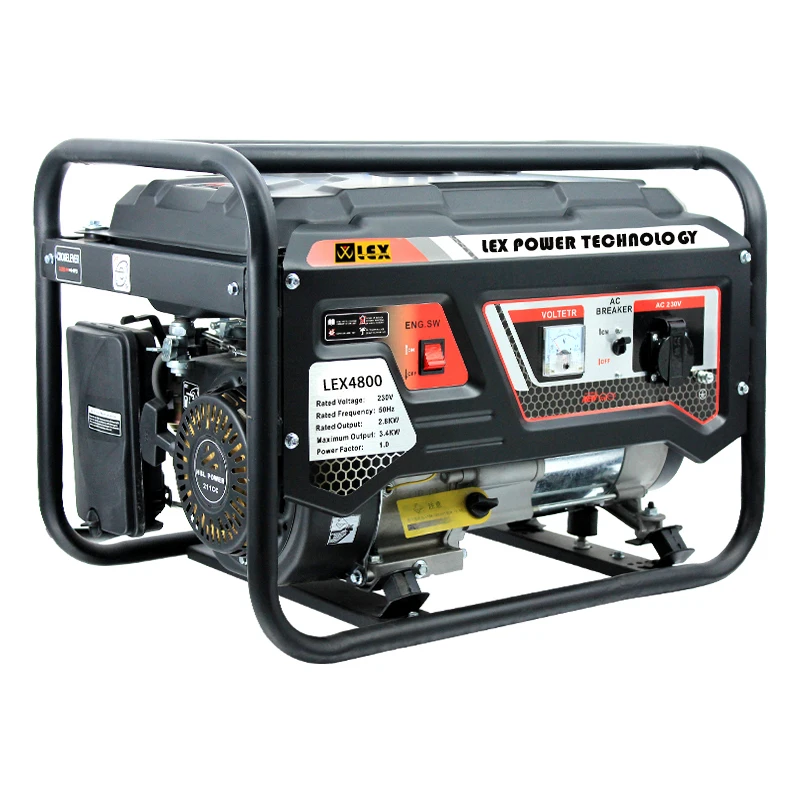
Selecting the right gasoline generator for camping requires understanding the unique demands of outdoor environments, power requirements for typical camping equipment, and the portability features that matter most when you're away from traditional power sources. The best camping generators balance power output, fuel efficiency, noise levels, and transportability to deliver dependable performance in wilderness settings.
Understanding Gasoline Generator Requirements for Camping
Power Output Considerations for Outdoor Activities
Camping power needs vary significantly based on the type of outdoor experience and equipment being used. A gasoline generator for basic camping might need to power LED lighting systems, mobile device chargers, and small appliances like portable refrigerators or coffee makers. These applications typically require between 1000 to 3000 watts of continuous power output.
More extensive camping setups, including RV connections, larger cooking equipment, or power tools for campsite preparation, may demand higher capacity gasoline generator units ranging from 3000 to 7000 watts. Understanding your specific power requirements helps determine the appropriate generator size and prevents both underpowering essential equipment and carrying unnecessarily heavy units.
Peak power demands also influence gasoline generator selection, as many camping devices require higher startup power than their continuous operating requirements. Electric coolers, small air compressors, and power tools often need surge capacity that exceeds their running wattage by 50% or more.
Portability and Weight Factors
Weight becomes a critical factor when selecting a gasoline generator for camping, particularly when hiking or backpacking to remote locations. Portable units designed for camping typically weigh between 40 to 80 pounds, requiring careful consideration of transportation methods and setup logistics.
Handle design, wheel configurations, and compact form factors significantly impact the practical usability of a gasoline generator in outdoor settings. Units with telescoping handles, large wheels for rough terrain navigation, and balanced weight distribution make transportation and positioning much more manageable during camping trips.
Fuel tank capacity directly affects both weight and operational duration, creating a balance between portability and runtime. Smaller tanks reduce overall weight but require more frequent refueling, while larger capacity tanks extend operating time but increase the total weight of the gasoline generator system.
Essential Features for Camping Gasoline Generators
Noise Level Management
Noise control represents one of the most important considerations when selecting a gasoline generator for camping environments. Many campgrounds enforce quiet hours and decibel limits, making low-noise operation essential for maintaining good relationships with fellow campers and complying with site regulations.
Modern camping-oriented gasoline generator units typically operate at noise levels between 50 to 65 decibels at quarter load, comparable to normal conversation levels. Inverter technology and sound dampening enclosures help achieve these reduced noise levels while maintaining efficient power generation capabilities.
Sound ratings measured at different distances and load levels provide more accurate assessments of real-world noise impact. A gasoline generator that operates quietly during low-demand periods but becomes significantly louder under full load may disrupt the peaceful camping atmosphere during peak power usage times.
Weather Resistance and Durability
Outdoor environments expose gasoline generator equipment to various weather conditions, temperature fluctuations, and physical hazards that indoor units never encounter. Camping generators require robust construction materials, sealed electrical components, and protective housing to withstand moisture, dust, and temperature variations.
Corrosion-resistant materials, weatherproof outlet covers, and reliable starting mechanisms ensure consistent gasoline generator performance regardless of environmental conditions. Units designed for camping applications often feature enhanced air filtration systems and moisture management capabilities that prevent performance degradation in challenging outdoor settings.
Temperature tolerance becomes particularly important for camping gasoline generator units used in extreme climates. Cold weather starting capabilities, heat dissipation management, and thermal protection systems ensure reliable operation across the wide temperature ranges encountered during different seasons and geographic locations.
Fuel Efficiency and Runtime Optimization
Fuel Consumption Patterns
Fuel efficiency directly impacts both operating costs and the practical logistics of extended camping trips where fuel resupply may be challenging or impossible. A well-designed gasoline generator optimizes fuel consumption through load-responsive engine management and efficient combustion systems.
Runtime specifications at different load levels help campers plan fuel requirements and determine appropriate tank sizes for their specific needs. A gasoline generator that provides 8-12 hours of runtime at 25% load offers significantly more practical value for typical camping applications than units optimized only for full-load operation.
Eco-mode features and automatic load adjustment capabilities further enhance fuel efficiency by adjusting engine speed based on actual power demand. These technologies can extend runtime by 20-40% compared to fixed-speed gasoline generator designs, particularly beneficial for camping applications with variable power requirements.
Tank Capacity and Refueling Considerations
Tank size selection involves balancing operational duration against overall system weight and portability. Camping gasoline generator units typically feature tank capacities between 1 to 6 gallons, with larger tanks providing extended runtime but increasing transportation challenges.
Fuel gauge visibility and easy-access refueling designs become important practical considerations during camping trips. Clear fuel level indicators and wide-mouth tank openings reduce the risk of spills and make refueling operations safer in low-light camping conditions.
Multiple smaller fuel containers often provide more flexibility than relying solely on the integrated tank capacity. This approach allows campers to carry additional fuel separately and reduces the risk of total power loss due to fuel contamination or tank damage during transportation.
Safety and Maintenance Requirements
Carbon Monoxide Prevention
Carbon monoxide safety represents the most critical aspect of gasoline generator operation in camping environments where enclosed spaces and limited ventilation create potentially dangerous conditions. Proper positioning, adequate clearance distances, and never operating generators inside tents or enclosed shelters prevent carbon monoxide poisoning risks.
Modern camping gasoline generator units often include carbon monoxide detection systems that automatically shut down the engine when dangerous gas concentrations are detected. These safety features provide additional protection against accidental exposure and equipment malfunction scenarios.
Exhaust system design and positioning affect carbon monoxide dispersion patterns around camping areas. Units with elevated exhaust outlets and directional discharge systems help ensure proper gas dispersion away from occupied areas and reduce the risk of accumulation in low-lying camping spots.
Maintenance Requirements for Outdoor Use
Regular maintenance becomes more challenging during extended camping trips but remains essential for reliable gasoline generator performance. Pre-trip inspection procedures, basic field maintenance capabilities, and understanding common troubleshooting procedures help prevent power system failures in remote locations.
Air filter condition becomes particularly important for camping gasoline generator units exposed to dust, pollen, and other airborne contaminants common in outdoor environments. Easy-access filter designs and field-cleanable filter elements reduce maintenance complexity during camping trips.
Spark plug accessibility, oil level monitoring, and fuel system cleanliness require attention during extended camping periods. Gasoline generator units designed for camping applications often feature tool-free access panels and simplified maintenance procedures that can be performed with basic tools and minimal technical expertise.
Power Management and Electrical Safety
Output Stability and Power Quality
Clean, stable electrical output becomes crucial when powering sensitive electronic devices common in modern camping setups. Inverter-based gasoline generator systems provide regulated voltage and frequency that protect laptops, smartphones, GPS devices, and other electronics from power quality issues.
Total harmonic distortion levels and voltage regulation capabilities distinguish camping-appropriate gasoline generator units from basic utility models. Clean power output ensures reliable operation of variable-speed motors, electronic controls, and digital devices without interference or damage from electrical noise.
Multiple outlet configurations and integrated USB charging ports provide convenient connection options for diverse camping equipment. Ground fault circuit interrupter protection and overload shutdown systems enhance electrical safety when operating gasoline generator equipment in outdoor environments.
Load Management Strategies
Understanding load prioritization and power distribution helps maximize gasoline generator utility during camping trips. Essential loads like lighting and communication devices receive priority allocation, while convenience items operate during periods of lower overall demand.
Power strip selection and extension cord management affect both safety and operational efficiency. Outdoor-rated electrical components and proper grounding practices prevent electrical hazards and ensure reliable power distribution from the gasoline generator to camping equipment.
Load cycling strategies and scheduled operation patterns help extend fuel supplies and reduce noise impact during sensitive camping periods. Operating high-demand equipment during designated time periods maximizes gasoline generator efficiency while maintaining considerate camping practices.
FAQ
How do I determine the right size gasoline generator for my camping needs?
Calculate your total power requirements by listing all devices you plan to operate simultaneously and adding their wattage requirements. Include startup surge power for motors and compressors, then add 20-30% safety margin. Most camping applications require between 2000-4000 watts, though larger RV setups may need 5000-7000 watts from a gasoline generator.
What maintenance should I perform on my camping gasoline generator?
Check oil levels before each use and change oil according to manufacturer schedules or every 100 hours of operation. Clean or replace air filters regularly, especially in dusty conditions. Inspect spark plugs, fuel lines, and connections periodically. Store the gasoline generator with stabilized fuel or empty tank for extended periods to prevent fuel system issues.
How can I reduce noise from my camping gasoline generator?
Position the gasoline generator as far from camping areas as safely possible while maintaining proper ventilation clearances. Use sound barriers like natural terrain features or portable sound dampening panels. Operate during appropriate hours that comply with campground quiet time policies. Consider inverter-type generators which typically produce significantly less noise than conventional models.
What safety precautions are essential when using a gasoline generator while camping?
Never operate a gasoline generator inside tents, RVs, or any enclosed spaces due to carbon monoxide risks. Maintain minimum 20-foot clearance from sleeping areas and ensure adequate ventilation. Use only outdoor-rated extension cords and electrical accessories. Check for fuel leaks before starting and keep fire extinguisher readily available during operation.