
 EN
EN
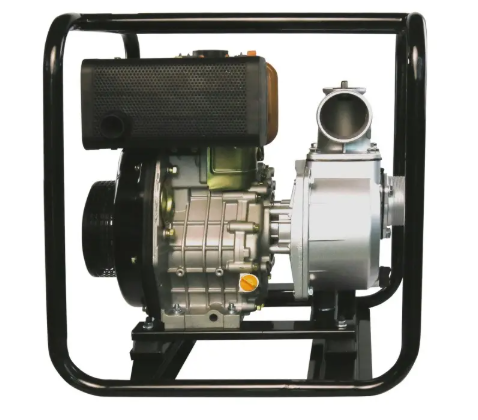
Operating a gasoline generator at home requires strict adherence to safety protocols to prevent potentially life-threatening accidents including carbon monoxide poisoning, fires, and electrical hazards. While these portable power sources provide essential backup electricity during outages, improper use has resulted in numerous injuries and fatalities each year, making safety knowledge absolutely critical for every homeowner who relies on generator power.
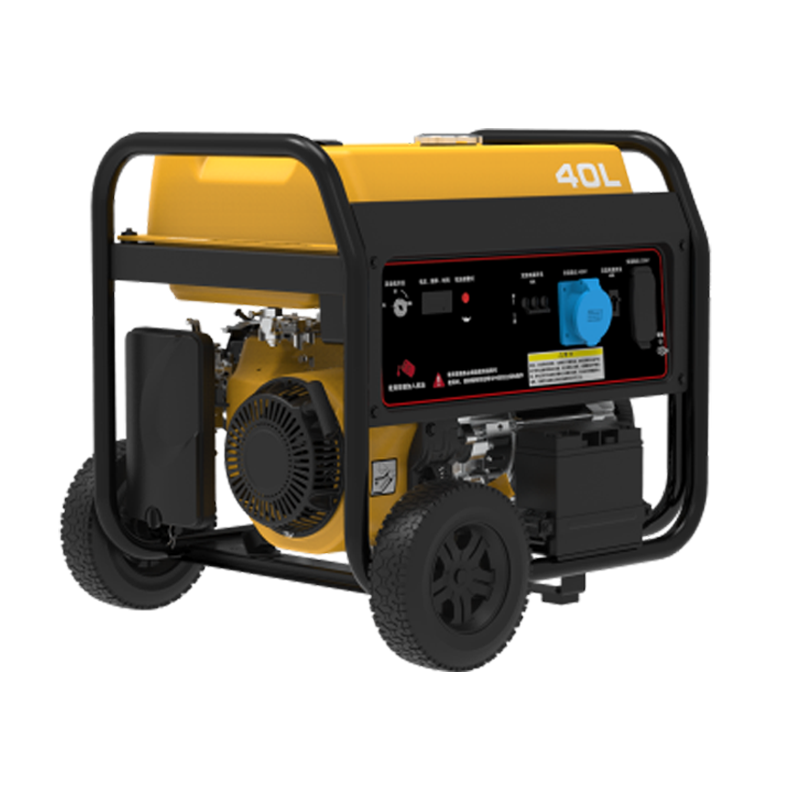
Understanding the fundamental safety principles for gasoline generator operation protects your family from invisible dangers like carbon monoxide exposure while preventing property damage from electrical faults or fuel-related fires. The proper implementation of safety measures transforms a potentially hazardous backup power solution into a reliable and secure home energy system that can be operated with confidence during emergency situations.
Carbon Monoxide Prevention and Ventilation Requirements
Understanding Carbon Monoxide Dangers from Generator Exhaust
Carbon monoxide produced by gasoline generator combustion is an odorless, colorless gas that can cause unconsciousness and death within minutes in enclosed spaces. The exhaust from even a small residential generator contains lethal concentrations of carbon monoxide that accumulate rapidly in garages, basements, or any partially enclosed area where homeowners might mistakenly place their units for weather protection.
Every gasoline generator must be positioned at least twenty feet away from all windows, doors, and air intake vents to prevent exhaust from entering the home through natural air circulation or HVAC systems. Wind patterns can carry carbon monoxide over considerable distances, making proper placement critical even when the generator appears to be positioned safely outdoors.
Installing battery-powered carbon monoxide detectors throughout the home provides an essential early warning system that alerts occupants to dangerous gas levels before symptoms appear. These detectors should be tested monthly and positioned on every level of the home, particularly near bedrooms where occupants might be sleeping when dangerous concentrations develop.
Establishing Proper Outdoor Operating Zones
The ideal operating location for any gasoline generator combines adequate distance from structures with protection from direct precipitation while maintaining unrestricted airflow around the unit. A concrete pad or elevated platform prevents ground moisture from affecting electrical components while ensuring stable operation on level surfaces that reduce vibration and mechanical stress.
Temporary canopy structures or generator covers designed specifically for outdoor use provide weather protection without creating enclosed spaces that trap exhaust gases. These protective measures must maintain open sides and adequate clearance above the unit to ensure proper exhaust dispersion and cooling air circulation around the engine compartment.
Creating a designated generator zone with permanent markers helps ensure consistent safe placement during emergency situations when visibility may be limited or stress levels high. This predetermined location should account for prevailing wind directions and seasonal weather patterns that might affect exhaust dispersal or accessibility during storms.
Fuel Handling and Storage Safety Protocols
Safe Gasoline Storage and Transportation Methods
Proper gasoline storage for gasoline generator operation requires approved fuel containers that meet current safety standards and local fire codes. Red plastic containers designed specifically for gasoline storage include safety features like flame arrestors and pressure relief mechanisms that prevent dangerous vapor buildup and reduce ignition risks during handling and storage.
Fuel storage areas must be located away from ignition sources including water heaters, furnaces, electrical panels, and workshop equipment that might produce sparks during normal operation. Outdoor storage in well-ventilated sheds or dedicated fuel storage cabinets provides the safest approach, keeping gasoline vapors from accumulating in living spaces or attached garages where they pose explosion hazards.
Fresh gasoline deteriorates over time, forming gum deposits that can clog carburetor jets and fuel lines in gasoline generator engines. Adding fuel stabilizer extends storage life to twelve months, but regular fuel rotation ensures optimal engine performance and reduces the risk of fuel system problems that might cause the generator to fail during critical power outages.
Refueling Procedures and Spill Prevention
Refueling a gasoline generator requires complete engine shutdown and adequate cooling time to prevent ignition of fuel vapors by hot engine components. The engine block, exhaust system, and surrounding metal surfaces retain dangerous heat levels for thirty minutes or more after operation, making immediate refueling extremely hazardous even after the engine stops running.
Using a funnel with a spill-proof design minimizes fuel spillage that could ignite on hot surfaces or create slip hazards around the operating area. Absorbent materials should be readily available to clean up any spills immediately, and contaminated absorbent material must be disposed of properly according to local environmental regulations to prevent groundwater contamination.
Overfilling the fuel tank creates overflow risks when fuel expands due to temperature changes or when the generator is moved or tilted during storage. Maintaining fuel levels slightly below maximum capacity allows for thermal expansion while preventing spills that increase fire risks and create environmental hazards around the generator operating area.
Electrical Connection Safety and Grounding Requirements
Proper Extension Cord Selection and Management
Heavy-duty extension cords rated for outdoor use and sized appropriately for the connected load prevent dangerous voltage drops and overheating that can damage sensitive electronics or create fire hazards. Undersized cords create resistance that reduces voltage at connected devices while generating heat that degrades insulation and increases the risk of electrical fires or electrocution.
Ground Fault Circuit Interrupter protection built into quality gasoline generator outlets provides essential safety protection against electrical shock in wet conditions common during storm-related power outages. GFCI outlets monitor electrical current flow and shut off power immediately when they detect current leakage that indicates potential electrocution hazards.
Elevated cord routing prevents extension cords from lying in standing water or creating trip hazards in frequently traveled areas around the home. Cord covers or temporary bridges protect electrical connections from vehicle traffic or foot traffic while maintaining the electrical integrity necessary for safe power transmission from the generator to connected loads.
Transfer Switch Installation and Backfeed Prevention
Professional transfer switch installation eliminates the dangerous practice of backfeeding electricity into household circuits through electrical outlets, which can energize utility lines and electrocute power company workers attempting to restore service. Licensed electrician installation ensures proper wiring, adequate circuit protection, and compliance with local electrical codes that govern backup power connections.
Manual transfer switches provide a safe method for connecting gasoline generator power to essential household circuits while maintaining complete isolation from utility power lines. These devices require deliberate action to switch between utility and generator power, preventing accidental connection of both sources that could damage the generator or create dangerous backfeed conditions.
Proper generator grounding through dedicated grounding rods or connection to the household electrical grounding system provides essential protection against electrical faults and lightning strikes. Grounding requirements vary by local electrical codes and generator specifications, making professional consultation important for ensuring adequate protection and regulatory compliance.
Maintenance and Pre-Operation Safety Checks
Regular Maintenance Schedules for Safe Operation
Scheduled maintenance of gasoline generator engines prevents mechanical failures that could create safety hazards during operation including fuel leaks, exhaust system failures, or loss of power during critical situations. Regular oil changes, air filter replacement, and spark plug inspection maintain reliable operation while preventing engine damage that might release toxic fumes or create fire hazards.
Fuel system maintenance including carburetor cleaning and fuel line inspection prevents dangerous fuel leaks that could ignite on hot engine surfaces. Deteriorated fuel lines or loose connections develop gradually and may not be apparent until a catastrophic failure occurs, making regular visual inspection and preventive replacement essential for continued safe operation.
Exhaust system inspection ensures proper attachment and integrity of muffler components that direct dangerous combustion gases away from the operating area. Loose or damaged exhaust components can redirect carbon monoxide toward the operator or into areas where it might accumulate to dangerous levels, particularly in partially enclosed operating locations.
Pre-Start Safety Inspection Procedures
Visual inspection before each gasoline generator startup identifies potential safety hazards including fuel leaks, damaged electrical cords, or obstructed ventilation areas that could compromise safe operation. A systematic inspection routine ensures consistent safety practices even during emergency situations when stress levels are high and visibility may be limited.
Checking oil levels and coolant systems prevents engine seizure or overheating that could create fire hazards or sudden power loss during critical operations. Low oil levels cause rapid engine damage while inadequate cooling allows temperatures to reach levels that ignite fuel vapors or surrounding combustible materials.
Testing safety systems including automatic shutoffs, circuit breakers, and GFCI protection verifies that protective systems will function properly when needed to prevent injury or equipment damage. These safety systems provide the last line of defense against dangerous operating conditions and must be verified operational before connecting any electrical loads to the generator output.
FAQ
How far should a gasoline generator be placed from my house?
A gasoline generator must be positioned at least twenty feet away from all doors, windows, and air intake vents to prevent carbon monoxide from entering your home. Consider wind patterns and place the unit even further away if prevailing winds typically blow toward your house, as carbon monoxide can travel considerable distances and accumulate to dangerous levels indoors.
Can I run my gasoline generator in the garage with the door open?
Never operate a gasoline generator in a garage, even with the door open, as carbon monoxide can accumulate rapidly in partially enclosed spaces and reach lethal concentrations within minutes. The exhaust contains deadly levels of carbon monoxide that can cause unconsciousness and death, making outdoor operation the only safe option for any gasoline-powered generator.
How long can I safely store gasoline for my generator?
Gasoline can be safely stored for up to twelve months when treated with fuel stabilizer and kept in approved containers away from heat sources and ignition hazards. Without stabilizer, gasoline deteriorates within three to six months, forming deposits that can clog fuel systems and prevent reliable generator operation when you need backup power most.
What size extension cord do I need for my gasoline generator?
Extension cord size depends on the electrical load and distance from your gasoline generator to connected devices, but most applications require heavy-duty outdoor-rated cords with 12 or 10 AWG wire to handle typical household loads safely. Undersized cords create dangerous voltage drops and heat buildup that can damage equipment or create fire hazards, so consult your generator manual for specific recommendations based on your power requirements.