
 EN
EN
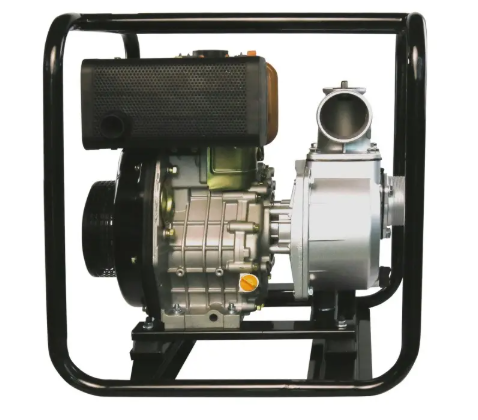
Selecting the right gasoline generator for your specific needs requires careful consideration of multiple technical and practical factors that directly impact performance, reliability, and long-term value. Understanding how to choose the perfect gasoline generator involves evaluating power requirements, fuel efficiency, portability needs, and environmental considerations that align with your intended applications.
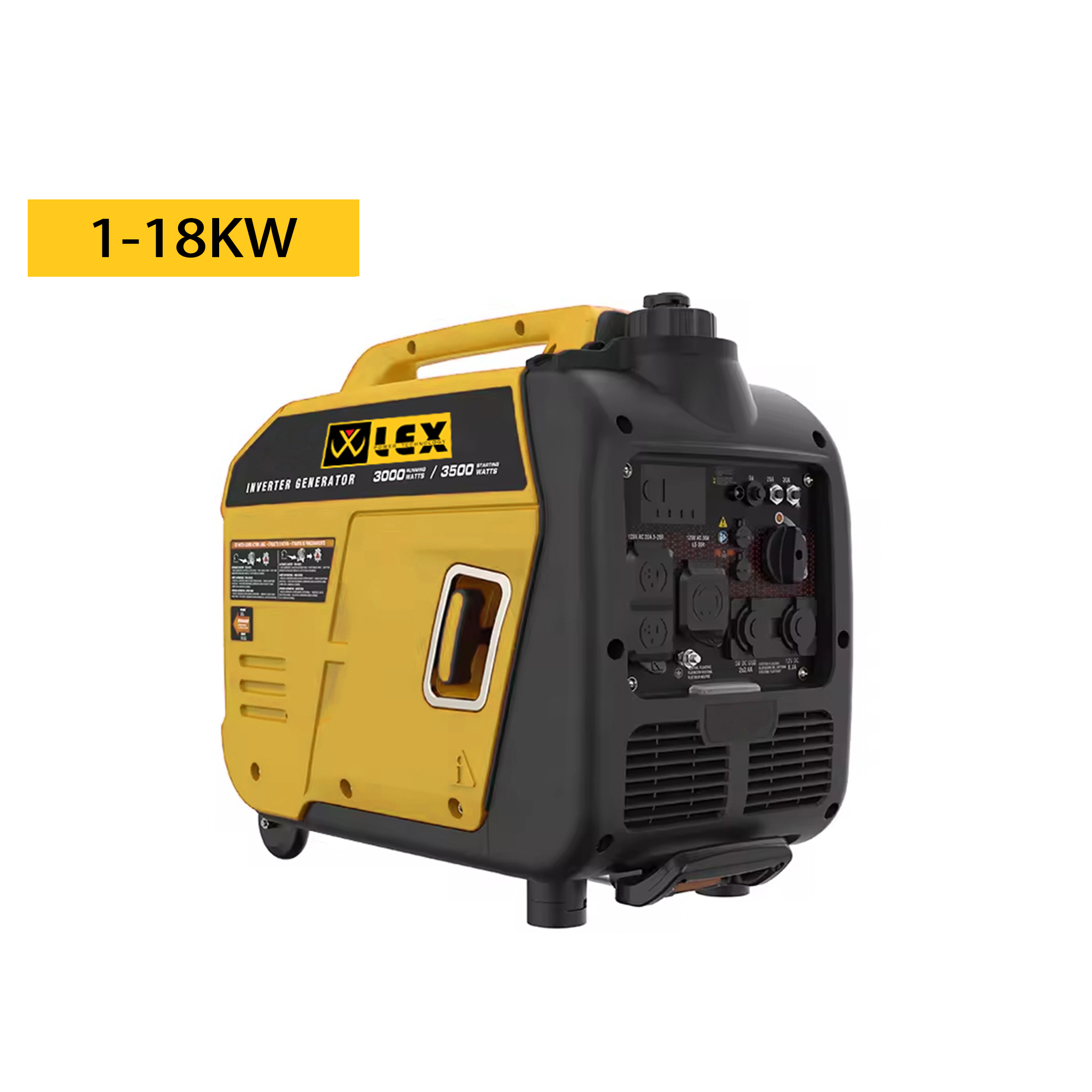
The process of choosing a gasoline generator extends beyond simply matching wattage requirements to include critical decisions about engine quality, starting systems, safety features, and maintenance accessibility. Professional buyers and homeowners alike must navigate through various specifications while balancing initial investment costs with operational efficiency and durability expectations.
Understanding Power Requirements and Load Calculations
Determining Your Essential Power Needs
Calculating accurate power requirements forms the foundation of selecting an appropriate gasoline generator for your specific applications. Start by identifying all essential appliances and equipment that must remain operational during power outages, including refrigeration units, lighting systems, heating or cooling equipment, and critical electronics.
Create a comprehensive inventory listing the starting watts and running watts for each device, as many appliances require significantly higher power during startup compared to continuous operation. A gasoline generator must accommodate these surge power demands while maintaining stable voltage output for sensitive electronic equipment.
Consider future expansion needs and temporary high-power applications that might require additional capacity beyond your current baseline requirements. Professional installations often benefit from generators sized at 125-150% of calculated essential loads to ensure reliable operation under varying conditions.
Calculating Total Wattage and Safety Margins
Accurate load calculations require adding the running watts of all simultaneously operated devices plus the highest starting wattage requirement among your equipment list. This approach ensures your chosen gasoline generator can handle both steady-state operation and equipment startup surges without overloading.
Include safety margins of 20-25% above calculated totals to account for power factor variations, voltage drops, and unexpected load additions. These margins prevent operating the generator at maximum capacity continuously, which extends engine life and maintains stable power quality for connected equipment.
Document your calculations with manufacturer specifications for each appliance, as actual power consumption often differs from nameplate ratings. Verify measurements using power meters for critical applications where precise load data ensures optimal generator sizing.
Engine Performance and Fuel Efficiency Considerations
Evaluating Engine Types and Technologies
Modern gasoline generator engines incorporate various technologies that significantly impact fuel consumption, noise levels, and maintenance requirements. Four-stroke engines generally provide better fuel efficiency and lower emissions compared to two-stroke alternatives, making them preferred choices for extended operation periods.
Overhead valve (OHV) engines offer superior durability and fuel efficiency compared to side-valve designs, particularly important for applications requiring consistent performance over thousands of operating hours. Engine displacement and compression ratios directly influence both power output and fuel consumption characteristics.
Inverter-equipped gasoline generator models provide clean, stable power suitable for sensitive electronics while automatically adjusting engine speed based on load demands. This technology reduces fuel consumption during light-load operation and minimizes noise emissions compared to conventional generators running at constant RPM.
Fuel Consumption and Runtime Analysis
Fuel consumption rates vary significantly among different gasoline generator models and operating conditions, directly impacting operational costs and refueling frequency during extended outages. Compare manufacturers' fuel consumption specifications at 25%, 50%, 75%, and 100% load levels to understand efficiency across the operating range.
Calculate runtime expectations based on fuel tank capacity and consumption rates at your anticipated load levels, ensuring adequate autonomy for your specific applications. Larger fuel tanks reduce refueling frequency but increase overall weight and storage requirements for portable units.
Consider fuel availability and storage limitations when evaluating gasoline generator options, as extended outages may require substantial fuel reserves. Factor in fuel stabilizer costs and storage safety requirements for long-term preparedness planning.
Portability and Installation Requirements
Assessing Mobility and Transportation Needs
Portability requirements vary significantly based on intended gasoline generator applications, from lightweight camping units to heavy-duty construction site models requiring mechanical handling equipment. Evaluate wheel configurations, handle designs, and overall weight distribution for units requiring frequent relocation.
Consider lifting points, frame construction, and transportation accessories when selecting generators for job site applications where mobility across varied terrain becomes essential. Some gasoline generator models include fold-down handles and compact designs optimizing storage space in vehicles or equipment trailers.
Assess setup requirements including connection procedures, grounding needs, and safety protocols that affect deployment speed during emergency situations. Quick-start features and simplified controls reduce setup complexity for users with varying technical experience levels.
Fixed Installation and Weather Protection
Permanent or semi-permanent gasoline generator installations require weatherproof enclosures, proper ventilation systems, and secure mounting arrangements that comply with local building codes and safety regulations. Evaluate ventilation requirements for combustion air intake and hot exhaust discharge in confined spaces.
Consider noise abatement requirements for residential installations where sound levels must comply with local ordinances during extended operation periods. Acoustic enclosures and proper siting can significantly reduce noise impact on neighbors while maintaining accessibility for maintenance.
Plan for fuel storage solutions including tank placement, fill procedures, and spill containment measures that meet environmental regulations. Professional installations often include automatic fuel transfer systems and remote monitoring capabilities for unmanned operation.
Safety Features and Compliance Standards
Essential Safety Systems and Protection Devices
Modern gasoline generator designs incorporate multiple safety systems protecting both equipment and users from hazardous conditions during operation. Low oil shutdown systems prevent catastrophic engine damage by automatically stopping operation when lubrication levels drop below safe minimums.
Ground fault circuit interrupters (GFCI) and overload protection circuits prevent electrical hazards and equipment damage from short circuits or excessive current draw. These safety features become particularly important when operating gasoline generator units in wet conditions or with multiple connected loads.
Carbon monoxide sensors and automatic shutdown systems provide crucial protection against deadly exhaust gas accumulation in enclosed or poorly ventilated areas. Never operate any gasoline generator indoors or in garages, even with open doors, due to rapid carbon monoxide buildup.
Regulatory Compliance and Certification Requirements
Verify that prospective gasoline generator models meet relevant safety and emissions standards including EPA certification for emissions compliance and OSHA requirements for workplace applications. These certifications ensure minimum safety and environmental standards while potentially affecting insurance coverage and warranty terms.
Check local building codes and homeowners association regulations that may restrict generator placement, operation hours, or noise levels in residential areas. Some jurisdictions require permits or professional installation for permanent generator installations.
Understand transfer switch requirements for connections to building electrical systems, as improper installation can create dangerous back-feed conditions affecting utility workers and neighboring properties. Professional electrical connections ensure code compliance and safe operation during grid outages.
Maintenance Requirements and Long-Term Costs
Routine Maintenance and Service Intervals
Regular maintenance schedules significantly impact gasoline generator reliability and service life, requiring oil changes, air filter replacement, spark plug service, and fuel system maintenance at specified intervals. Establish maintenance routines based on operating hours rather than calendar time for optimal engine protection.
Engine oil changes typically occur every 50-100 operating hours depending on load conditions and ambient temperatures, while air filters require cleaning or replacement based on environmental dust levels and usage patterns. Spark plug replacement intervals vary from 100-500 hours depending on fuel quality and engine design.
Fuel system maintenance includes periodic carburetor cleaning, fuel filter replacement, and fuel stabilizer addition for storage periods exceeding 30 days. Ethanol-containing fuels require more frequent attention due to water absorption and corrosive effects on fuel system components.
Parts Availability and Service Support
Evaluate parts availability and service network coverage when selecting gasoline generator brands, as remote locations may face extended downtime waiting for replacement components or qualified service technicians. Major engine manufacturers typically provide better parts support compared to private-label units.
Consider warranty coverage including duration, covered components, and service requirements that may affect total ownership costs. Extended warranties often require professional maintenance documentation and specific service intervals for validity.
Factor in maintenance tool requirements and storage for replacement parts, filters, and fluids needed for routine service. Maintaining spare parts inventory becomes important for critical applications where downtime creates significant business or safety impacts.
FAQ
What size gasoline generator do I need for my home?
Calculate your home's essential power needs by adding the running watts of critical appliances like refrigerators, heating systems, and lighting, plus the highest starting watts of any single device. Most homes require 5,000-7,500 watts for basic needs, while whole-house backup may need 15,000-20,000 watts depending on air conditioning and electric heating requirements.
How long can a gasoline generator run continuously?
Most gasoline generators can operate continuously for 8-12 hours on a full tank, depending on load level and fuel tank capacity. However, engines require periodic breaks for oil checks and cooling, especially during hot weather. Never refuel a hot generator, and allow cooling time between extended run periods for maximum engine life.
Can I connect my gasoline generator directly to my house electrical panel?
Direct connection to house electrical panels requires a transfer switch installed by a qualified electrician to prevent dangerous back-feed into utility lines. Never connect generators to outlets or electrical panels without proper transfer switches, as this creates life-threatening conditions for utility workers and can damage appliances when grid power returns.
What maintenance does a gasoline generator require during storage?
Long-term storage requires adding fuel stabilizer, running the engine until treated fuel reaches the carburetor, then either draining the fuel system or filling the tank completely to prevent condensation. Change engine oil, clean or replace air filters, and store in a dry location with periodic exercise runs every 30-60 days to maintain reliability.