 EN
EN
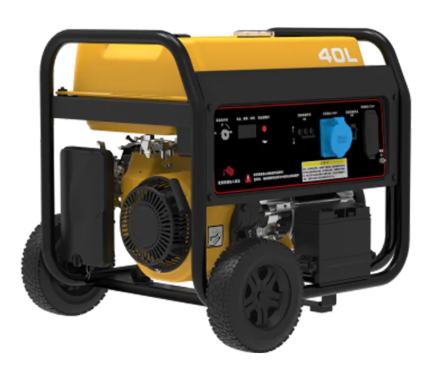
Choosing between a gasoline generator and solar power system represents one of the most critical energy decisions for homeowners, businesses, and outdoor enthusiasts. This comparison directly impacts your energy independence, operational costs, environmental footprint, and long-term reliability. Both power solutions offer distinct advantages and limitations that make them suitable for different situations, usage patterns, and energy requirements.
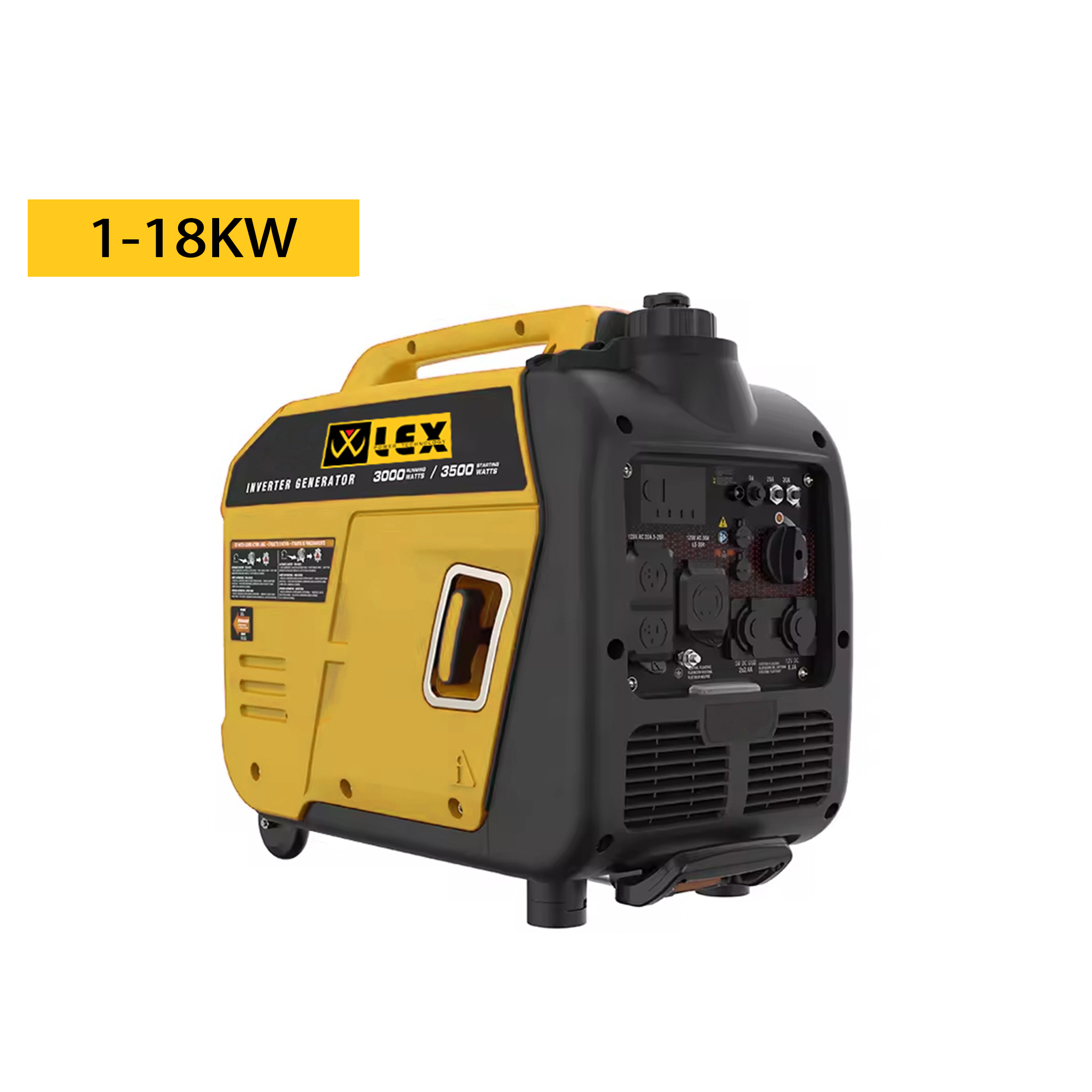
Understanding which power solution fits your specific needs requires careful evaluation of factors including initial investment, operational costs, power output consistency, maintenance requirements, and environmental considerations. A gasoline generator provides immediate, high-capacity power generation regardless of weather conditions, while solar systems offer clean, renewable energy with minimal ongoing costs. The right choice depends on your power consumption patterns, budget constraints, location characteristics, and long-term energy goals.
Power Output and Reliability Comparison
Immediate Power Generation Capabilities
A gasoline generator delivers instant power output at full capacity the moment you start the engine, making it ideal for emergency situations and high-demand applications. Most residential gasoline generators produce between 3,000 to 10,000 watts continuously, with surge capacity reaching up to 12,000 watts for starting motors and heavy appliances. This consistent power output remains unaffected by weather conditions, time of day, or seasonal variations.
The reliability factor of a gasoline generator lies in its mechanical simplicity and fuel availability. As long as you maintain adequate gasoline supply and perform regular maintenance, the generator provides dependable power for extended periods. Modern gasoline generators feature automatic startup systems, making them excellent backup power solutions for critical applications like medical equipment, refrigeration, and heating systems.
Solar Power Consistency and Weather Dependency
Solar power systems generate electricity based on sunlight availability, creating inherent variability in power output throughout the day and across seasons. Peak solar generation typically occurs during midday hours with clear skies, while cloudy conditions can reduce output by 50-80%. Winter months and geographic locations with limited sunshine further impact solar system performance and reliability.
However, solar systems paired with battery storage can provide consistent power delivery even during non-productive hours. High-capacity battery banks store excess energy generated during peak sunlight, enabling 24-hour power availability. The reliability of solar-plus-battery systems depends on proper sizing, quality components, and adequate battery capacity to meet nighttime and cloudy-day energy demands.
Initial Investment and Long-Term Costs
Gasoline Generator Purchase and Setup Expenses
The upfront cost of a gasoline generator varies significantly based on power output, features, and build quality. Basic portable units start around $500-800 for 3,000-watt capacity, while whole-house standby generators range from $3,000-8,000 plus installation costs. Professional installation for permanent standby systems adds $1,500-3,000, including electrical connections, concrete pad preparation, and permit fees.
Additional initial expenses include fuel storage solutions, such as approved gasoline containers or underground tanks for larger installations. Transfer switches for whole-house systems add $500-1,500 to the total investment. Despite these upfront costs, gasoline generators typically require lower initial investment compared to equivalent-capacity solar systems with battery storage.
Solar System Investment and Installation Costs
Solar power systems require substantial initial investment, with residential installations averaging $15,000-25,000 before incentives for a typical 6-8kW system. Battery storage adds $10,000-15,000 to the total cost, bringing complete off-grid solar solutions to $25,000-40,000 range. These prices include solar panels, inverters, mounting hardware, electrical components, and professional installation.
However, federal tax credits, state incentives, and utility rebates can reduce solar system costs by 30-50% in many areas. Net metering programs allow grid-tied systems to sell excess power back to utilities, creating ongoing revenue streams. The long-term financial benefits of solar power include elimination of fuel costs and minimal maintenance expenses over the 25-30 year system lifespan.
Operational Requirements and Maintenance
Gasoline Generator Maintenance and Fuel Management
Operating a gasoline generator requires regular maintenance schedules including oil changes every 50-100 operating hours, air filter replacement, spark plug inspection, and fuel system cleaning. Engine maintenance costs typically range from $200-400 annually for residential units, depending on usage frequency and service requirements. Neglecting maintenance reduces reliability and shortens equipment lifespan significantly.
Fuel management presents ongoing challenges for gasoline generator owners. Gasoline degrades within 3-6 months without stabilizers, requiring rotation of stored fuel supplies. Running costs depend on fuel consumption rates, which average 0.5-1.0 gallons per hour for typical residential generators. At current fuel prices, operating costs range from $3-8 per hour, creating significant expenses during extended outages or regular use periods.
Solar System Maintenance and Monitoring
Solar power systems require minimal maintenance compared to gasoline generators, with primary tasks including panel cleaning, electrical connection inspection, and inverter monitoring. Annual maintenance costs typically range from $150-300 for professional inspections and cleaning services. Most solar components carry 20-25 year warranties, with inverters requiring replacement every 10-15 years.
Modern solar systems include monitoring software that tracks energy production, identifies performance issues, and alerts owners to maintenance needs. Battery systems require periodic capacity testing and cell balancing, but maintenance requirements remain significantly lower than mechanical generators. The absence of moving parts, fuel handling, and combustion systems reduces both maintenance complexity and ongoing operational costs.
Environmental Impact and Sustainability
Gasoline Generator Emissions and Environmental Effects
Gasoline generators produce direct emissions including carbon dioxide, nitrogen oxides, carbon monoxide, and particulate matter during operation. A typical residential gasoline generator emits 15-25 pounds of CO2 per hour of operation, contributing to greenhouse gas accumulation and local air quality degradation. Noise pollution represents another environmental concern, with generator operation levels ranging from 65-75 decibels at 25 feet distance.
Fuel production, transportation, and storage create additional environmental impacts throughout the gasoline supply chain. Refinery operations, trucking delivery, and potential fuel spills contribute to broader environmental consequences beyond direct generator emissions. These factors make gasoline generators less sustainable for frequent use or long-term power generation applications.
Solar Power Environmental Benefits
Solar power systems generate clean electricity without operational emissions, noise pollution, or ongoing environmental impact during their 25-30 year lifespan. Manufacturing solar panels does require energy and materials, but lifecycle analyses show solar systems offset their production carbon footprint within 2-4 years of operation. The remaining operational years provide completely carbon-neutral electricity generation.
Solar installations support grid stability, reduce transmission losses, and decrease demand for fossil fuel power generation. Distributed solar deployment helps create more resilient electrical infrastructure while supporting renewable energy transition goals. Battery storage systems enhance these benefits by enabling solar energy use during peak demand periods, reducing stress on conventional power plants.
Application Scenarios and Suitability
Best Use Cases for Gasoline Generators
Gasoline generators excel in emergency backup applications where immediate, high-capacity power is essential. Medical equipment, refrigeration preservation, and critical heating systems benefit from the instant reliability that gasoline generators provide. Construction sites, outdoor events, and remote work locations often rely on gasoline generators for portable power where solar installation is impractical.
Short-duration, high-demand applications favor gasoline generators over solar systems. Welding operations, large motor startup, and heavy tool usage require power surge capabilities that solar inverters may not provide. Areas with frequent severe weather, limited sunlight, or temporary power needs often find gasoline generators more practical and cost-effective than solar alternatives.
Optimal Solar Power Applications
Solar power systems work best for consistent, long-term energy needs in areas with adequate sunlight exposure. Off-grid homes, remote cabins, and properties with high electricity costs benefit significantly from solar installations. Grid-tied systems provide excellent return on investment in regions with net metering programs and favorable solar incentives.
Applications requiring quiet operation, minimal maintenance, and environmental sustainability favor solar over gasoline generators. RV installations, boat electrical systems, and noise-sensitive locations benefit from silent solar operation. Commercial buildings seeking sustainability credentials and long-term energy cost control often choose solar systems despite higher initial investment requirements.
FAQ
How long can a gasoline generator run continuously compared to solar systems?
A gasoline generator can run continuously for 8-12 hours on a full tank, limited primarily by fuel capacity and maintenance intervals. With proper fuel supply, generators can operate for days or weeks with periodic shutdown for oil changes and maintenance. Solar systems with adequate battery storage can provide 24/7 power indefinitely, as long as daily solar production meets or exceeds energy consumption. The key difference is that gasoline generators require ongoing fuel supply, while solar systems depend on sufficient sunlight and battery capacity.
Which option provides better value for occasional emergency use?
For occasional emergency use, gasoline generators typically provide better value due to lower initial cost and immediate availability. A quality portable gasoline generator costs $1,000-3,000 compared to $15,000-30,000 for equivalent solar-plus-battery systems. However, consider storage requirements, fuel degradation, and maintenance needs for infrequently used generators. Solar systems require no fuel management and provide maintenance-free emergency power, but the high initial investment may not justify occasional use unless combined with daily energy savings.
Can solar panels work during power outages without battery backup?
Standard grid-tied solar systems automatically shut down during power outages for safety reasons, even with sunny conditions. This safety feature protects utility workers from unexpected electricity flowing into the grid. Solar systems require battery backup or special inverters with secured loads capability to provide power during outages. Gasoline generators offer immediate backup power regardless of grid status, making them more suitable for emergency situations where solar systems lack battery storage.
What are the space requirements for gasoline generators versus solar installations?
Gasoline generators require minimal space, typically 3x4 feet for residential units, plus clearance for ventilation and fuel storage. Portable units need only temporary space during operation. Solar installations require 100-400 square feet of unshaded roof space per kilowatt of capacity, depending on panel efficiency. Ground-mounted solar arrays need significantly more space and may impact property aesthetics. Consider available space, zoning restrictions, and aesthetic preferences when choosing between compact generator installations and larger solar arrays.