
 EN
EN
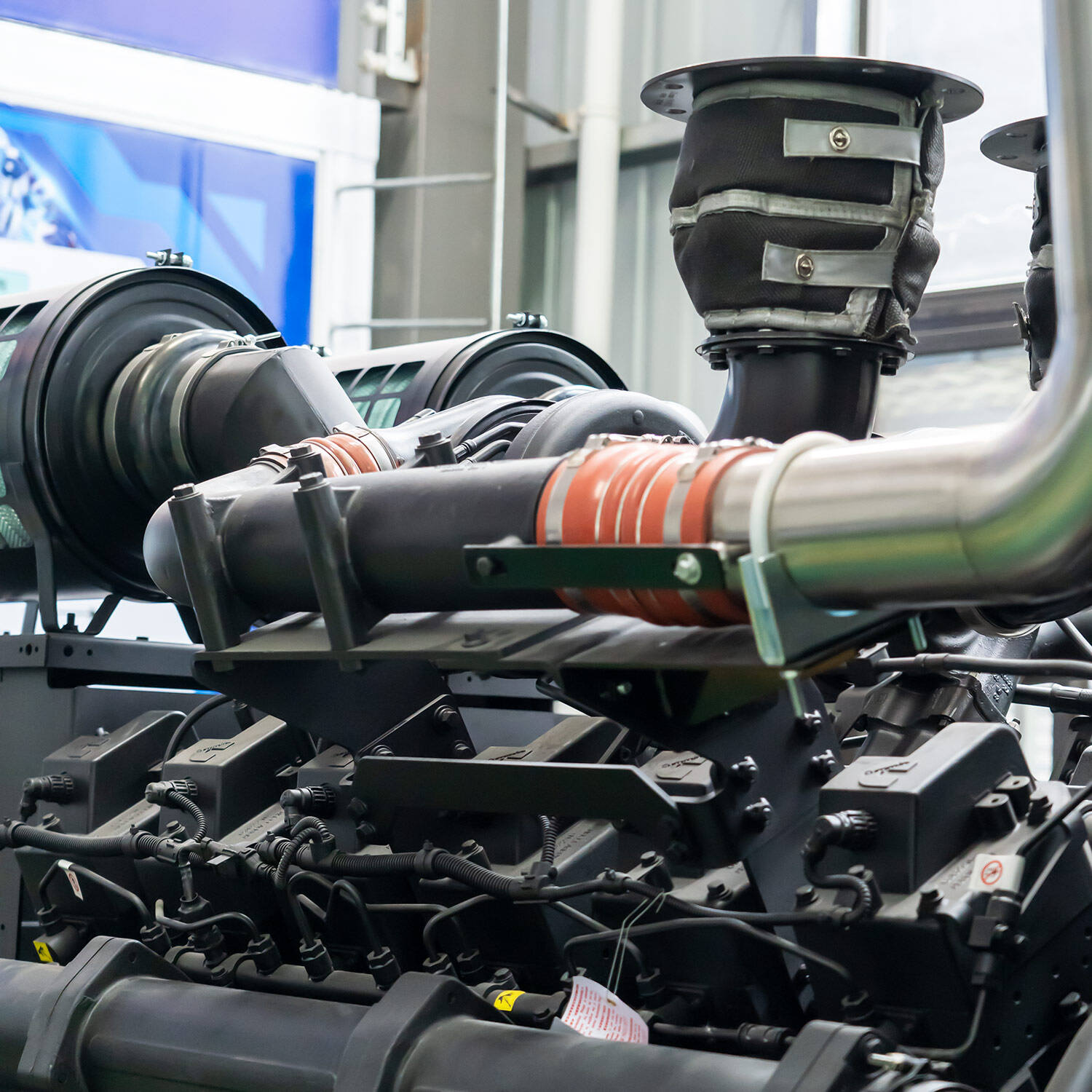
Finding reliable alternator parts has become increasingly challenging for industrial facilities and power generation companies worldwide. The complexity of modern electrical systems demands precision-engineered components that can withstand continuous operation while maintaining optimal performance standards. Quality alternator parts serve as the backbone of power generation systems, ensuring consistent electrical output across various industrial applications. Understanding where to source these critical components can significantly impact operational efficiency, maintenance costs, and overall system reliability for businesses dependent on uninterrupted power supply.
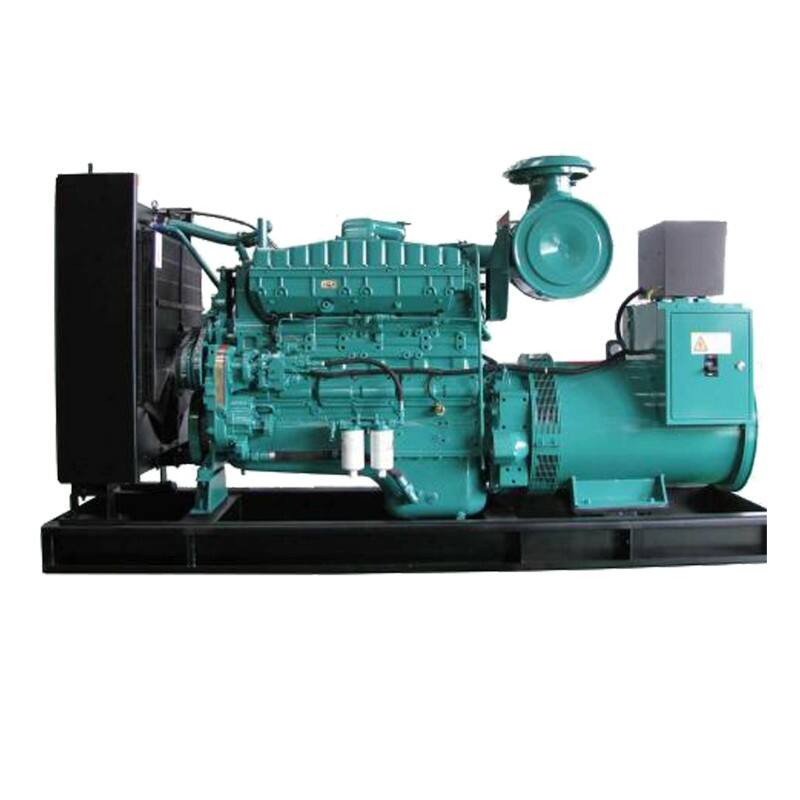
Understanding Industrial Alternator Components
Essential Alternator Parts for Power Generation
Modern industrial alternators comprise numerous specialized components working in harmony to convert mechanical energy into electrical power. The rotor assembly represents one of the most critical alternator parts, housing electromagnetic windings that create the rotating magnetic field necessary for power generation. These precision-machined components require exact tolerances and high-quality materials to ensure consistent performance under demanding operational conditions. The stator windings, another crucial element, must maintain proper insulation and conductor integrity to prevent electrical failures that could compromise entire power systems.
Slip rings and brushes facilitate electrical connection between stationary and rotating components, making them among the most frequently replaced alternator parts in industrial settings. These components experience continuous wear during operation, requiring regular inspection and timely replacement to maintain optimal power quality. Carbon brushes must provide consistent electrical contact while minimizing friction and heat generation, characteristics that directly impact alternator longevity and performance reliability.
Control Panel Integration Requirements
Control panel components work alongside alternator parts to monitor, regulate, and protect power generation systems from electrical anomalies. Voltage regulators maintain stable output voltage regardless of load variations, while frequency controllers ensure consistent alternating current frequency for sensitive equipment protection. These sophisticated control systems require high-quality sensors, relays, and switching devices that can respond rapidly to changing electrical conditions.
Protection systems integrated within control panels safeguard both alternator parts and connected loads from overcurrent, overvoltage, and short-circuit conditions. Circuit breakers, protective relays, and monitoring instruments must meet stringent industrial standards to ensure reliable operation during emergency situations. The interconnection between control panel components and alternator parts creates a comprehensive power generation system capable of autonomous operation with minimal human intervention.
Identifying Reliable Suppliers and Manufacturers
Evaluating Supplier Credentials and Certifications
Selecting appropriate suppliers for alternator parts requires thorough evaluation of manufacturing capabilities, quality certifications, and industry experience. Reputable suppliers maintain ISO 9001 quality management systems and possess relevant electrical equipment certifications from recognized testing laboratories. These certifications provide assurance that alternator parts meet international standards for performance, safety, and environmental compliance across diverse industrial applications.
Technical support capabilities distinguish exceptional suppliers from basic parts distributors, offering engineering expertise that helps optimize alternator parts selection for specific applications. Experienced suppliers provide detailed technical documentation, installation guidance, and troubleshooting support that reduces downtime and improves system reliability. Their knowledge of alternator parts compatibility ensures proper integration with existing equipment while minimizing potential operational conflicts.
Global vs Regional Sourcing Considerations
Global sourcing strategies for alternator parts offer access to specialized manufacturers and potentially lower costs, but require careful consideration of lead times, shipping logistics, and quality consistency. International suppliers may provide advanced alternator parts incorporating cutting-edge technologies not available from regional sources. However, extended supply chains can complicate emergency replacement scenarios where rapid parts availability becomes critical for operational continuity.
Regional suppliers often provide advantages in terms of responsive customer service, reduced shipping costs, and faster delivery of alternator parts during urgent situations. Local suppliers typically maintain inventory of common alternator parts and can provide immediate technical support when installation or compatibility issues arise. Building relationships with both global and regional suppliers creates a balanced sourcing strategy that optimizes cost, quality, and availability considerations.
Quality Assessment and Performance Standards
Material Specifications and Manufacturing Standards
High-quality alternator parts utilize premium materials engineered to withstand extreme operating conditions including temperature variations, vibration, and electrical stress. Copper windings must meet specific conductivity and thermal resistance requirements to ensure efficient power generation and longevity. Insulation materials require appropriate dielectric strength and thermal stability to prevent electrical breakdown under continuous operation.
Manufacturing processes for precision alternator parts involve advanced machining techniques, quality control inspections, and performance testing protocols. Computer numerical control machining ensures dimensional accuracy critical for proper alternator assembly and operation. Statistical process control methods monitor production consistency, while comprehensive testing validates that alternator parts meet specified performance parameters before shipment to end users.
Performance Testing and Validation Procedures
Comprehensive testing protocols verify that alternator parts perform within specified parameters under various operating conditions. Electrical testing validates insulation resistance, winding continuity, and voltage regulation characteristics essential for reliable power generation. Mechanical testing assesses vibration resistance, bearing performance, and structural integrity under simulated operational loads.
Environmental testing exposes alternator parts to extreme temperature cycles, humidity variations, and corrosive conditions that simulate real-world operating environments. These rigorous testing procedures identify potential failure modes and validate design margins that ensure reliable operation throughout the expected service life. Documentation of test results provides traceability and confidence in alternator parts performance capabilities.
Cost Optimization and Procurement Strategies
Total Cost of Ownership Analysis
Effective procurement of alternator parts requires comprehensive analysis extending beyond initial purchase price to include installation costs, maintenance requirements, and expected service life. Premium alternator parts may command higher upfront costs but often provide superior reliability and extended service intervals that reduce total ownership expenses. This analysis should consider energy efficiency improvements, reduced maintenance frequency, and decreased downtime costs associated with high-quality components.
Lifecycle costing methodologies help quantify the economic benefits of investing in superior alternator parts versus accepting potentially higher maintenance and replacement costs associated with budget alternatives. Predictive maintenance capabilities enabled by advanced alternator parts can significantly reduce unplanned downtime and associated production losses. These economic factors often justify premium pricing for alternator parts that demonstrate superior reliability and performance characteristics.
Inventory Management and Emergency Planning
Strategic inventory management for alternator parts balances carrying costs against the risk of production disruption due to component failures. Critical alternator parts with long lead times or limited supplier availability warrant higher inventory levels to ensure operational continuity. Predictive analytics can optimize inventory levels by analyzing failure patterns, usage rates, and supplier performance metrics for different alternator parts categories.
Emergency procurement procedures should identify expedited sourcing options for critical alternator parts while maintaining quality standards. Establishing relationships with multiple suppliers creates backup sourcing options when primary suppliers experience capacity constraints or quality issues. Emergency stock agreements with suppliers can provide guaranteed access to alternator parts during critical situations while minimizing inventory carrying costs during normal operations.
Installation and Maintenance Best Practices
Proper Installation Techniques
Correct installation procedures for alternator parts significantly impact system performance, reliability, and service life. Precise alignment of rotating components prevents premature bearing wear and vibration issues that could compromise alternator parts integrity. Proper torque specifications for mechanical fasteners ensure secure connections while preventing over-tightening that could damage alternator parts or associated components.
Electrical connections for alternator parts require appropriate torque values, anti-corrosion treatments, and insulation protection to maintain reliable power transmission. Connection integrity directly affects system efficiency and safety, making proper installation techniques essential for optimal alternator parts performance. Environmental protection measures shield sensitive alternator parts from moisture, contaminants, and temperature extremes during installation and subsequent operation.
Preventive Maintenance Programs
Systematic preventive maintenance programs maximize the service life and reliability of alternator parts through regular inspections, cleaning, and component replacement schedules. Bearing lubrication procedures must follow manufacturer specifications to prevent premature failure of rotating alternator parts. Electrical testing protocols monitor insulation resistance, connection integrity, and performance parameters that indicate developing problems with alternator parts before critical failures occur.
Condition monitoring systems provide real-time data on alternator parts performance, enabling predictive maintenance strategies that optimize replacement timing. Vibration analysis, thermal imaging, and electrical signature analysis techniques can detect deteriorating alternator parts before failures impact system operation. These advanced monitoring capabilities support evidence-based maintenance decisions that balance component replacement costs against reliability requirements.
Frequently Asked Questions
What factors should be considered when selecting alternator parts suppliers
When choosing suppliers for alternator parts, evaluate their manufacturing capabilities, quality certifications, technical support services, and industry experience. Look for suppliers with ISO 9001 certification and relevant electrical equipment approvals from recognized testing laboratories. Consider their inventory levels, delivery capabilities, and ability to provide emergency support when critical alternator parts failures occur. Assess their technical expertise in helping optimize alternator parts selection for your specific applications and operating conditions.
How can businesses ensure the quality of alternator parts before installation
Quality assurance for alternator parts begins with thorough supplier qualification and continues through incoming inspection procedures. Request certificates of compliance, test reports, and material certifications that verify alternator parts meet specified requirements. Implement receiving inspection protocols that check dimensional accuracy, surface finish, and electrical characteristics of critical alternator parts. Consider third-party testing for high-value components where supplier certification may be insufficient to guarantee performance.
What are the most common failure modes for alternator parts and how can they be prevented
Common alternator parts failures include bearing deterioration, winding insulation breakdown, brush wear, and slip ring contamination. Prevent bearing failures through proper lubrication schedules and vibration monitoring. Protect winding insulation from moisture, contamination, and thermal stress through environmental controls and regular testing. Replace brushes according to manufacturer recommendations and maintain clean slip ring surfaces. Implement comprehensive maintenance programs that address these common failure modes before they impact alternator parts reliability.
How do control panel components integrate with alternator parts systems
Control panel components work with alternator parts to provide comprehensive power generation system management including voltage regulation, frequency control, and protective functions. Voltage regulators maintain stable output regardless of load variations while frequency controllers ensure consistent power quality. Protection systems monitor alternator parts performance and automatically disconnect loads during fault conditions to prevent damage. Modern control panels integrate with alternator parts through digital communication protocols that enable advanced monitoring and diagnostic capabilities for optimized system performance.
Table of Contents
- Understanding Industrial Alternator Components
- Identifying Reliable Suppliers and Manufacturers
- Quality Assessment and Performance Standards
- Cost Optimization and Procurement Strategies
- Installation and Maintenance Best Practices
-
Frequently Asked Questions
- What factors should be considered when selecting alternator parts suppliers
- How can businesses ensure the quality of alternator parts before installation
- What are the most common failure modes for alternator parts and how can they be prevented
- How do control panel components integrate with alternator parts systems