
 EN
EN
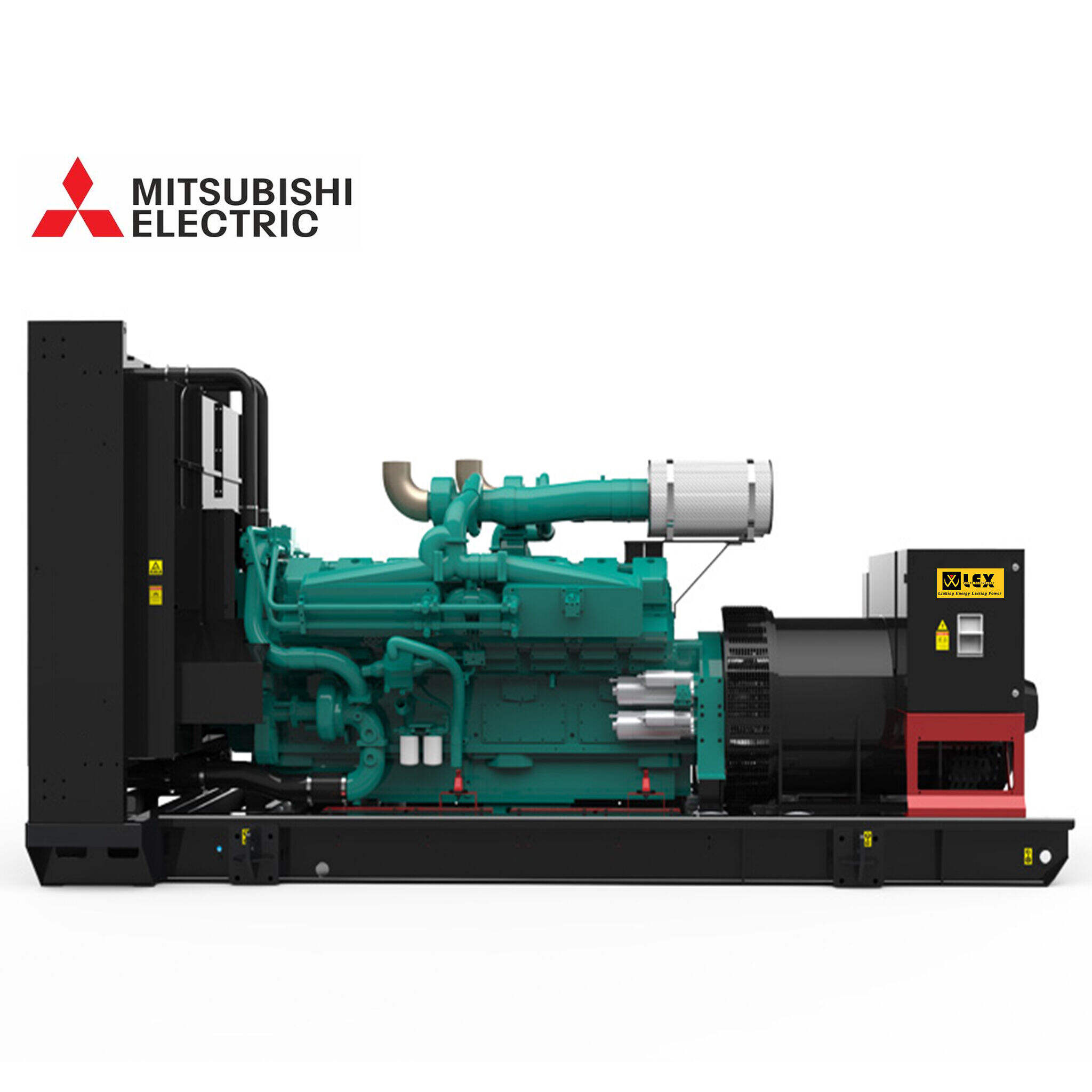
Generator cooling system parts have undergone significant technological advancements in recent years, revolutionizing how industrial power generation equipment maintains optimal operating temperatures. These critical components ensure that diesel generators operate efficiently while preventing overheating that could lead to costly downtime or equipment failure. Modern generator cooling system parts incorporate advanced materials, smart monitoring technologies, and improved thermal management designs that enhance overall system reliability and performance.
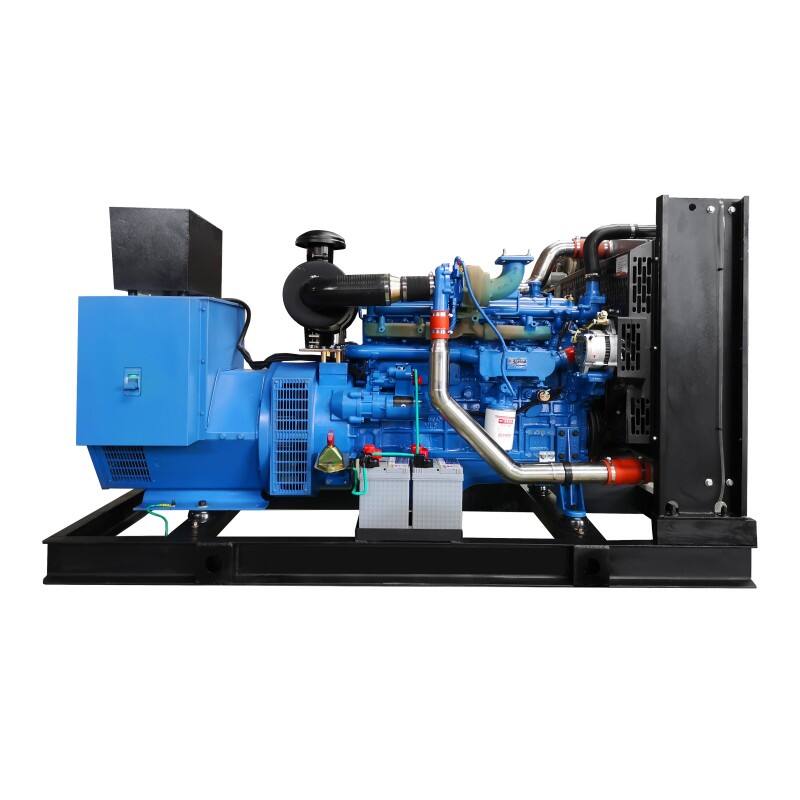
Advanced Materials and Design Innovations
High-Performance Radiator Technologies
Contemporary generator cooling system parts feature radiators constructed with advanced aluminum alloys and copper-brass combinations that provide superior heat dissipation capabilities. These materials offer enhanced corrosion resistance and thermal conductivity compared to traditional cooling components. The latest radiator designs incorporate microchannel technology, which increases surface area contact with coolant while reducing overall weight and space requirements.
Manufacturing processes now utilize precision brazing techniques that create stronger joints and eliminate potential leak points in generator cooling system parts. These improvements result in radiators that can withstand higher pressure differentials and temperature fluctuations without compromising structural integrity. Additionally, modern radiator cores feature optimized fin spacing and tube configurations that maximize airflow efficiency while minimizing pressure drop across the cooling system.
Smart Thermostat Integration
Intelligent thermostats represent a breakthrough in generator cooling system parts technology, offering precise temperature control through electronic monitoring and adjustment capabilities. These devices utilize programmable logic controllers and temperature sensors to maintain optimal coolant temperatures across varying load conditions. Smart thermostats can communicate with generator control systems to provide real-time cooling performance data and predictive maintenance alerts.
The integration of IoT connectivity in modern generator cooling system parts allows remote monitoring and diagnostics through cloud-based platforms. Facility managers can track coolant temperatures, flow rates, and system efficiency metrics from anywhere, enabling proactive maintenance scheduling and reducing unplanned downtime. These smart components also feature self-diagnostic capabilities that identify potential issues before they escalate into major problems.
Coolant Technology Advancements
Extended Life Antifreeze Formulations
Recent developments in coolant chemistry have produced extended life antifreeze formulations specifically designed for generator cooling system parts applications. These advanced coolants contain organic acid technology inhibitors that provide superior protection against cavitation, corrosion, and scale formation. The new formulations maintain their protective properties for significantly longer periods than conventional coolants, reducing maintenance intervals and operational costs.
Modern generator cooling system parts benefit from coolants that remain stable across extreme temperature ranges and resist thermal breakdown under high-stress operating conditions. These enhanced formulations include biodegradable additives that reduce environmental impact while maintaining excellent heat transfer properties. The improved chemical stability of these coolants also prevents the formation of deposits that could restrict flow through cooling system components.
Nano-Enhanced Heat Transfer Fluids
Nanotechnology has revolutionized coolant performance in generator cooling system parts through the development of nano-enhanced heat transfer fluids. These advanced coolants contain suspended nanoparticles that significantly improve thermal conductivity and heat transfer coefficients compared to conventional fluids. The nanoparticles create additional pathways for heat transfer while maintaining the fluid's pumping characteristics.
Generator cooling system parts operating with nano-enhanced coolants demonstrate improved temperature stability and reduced hot spots throughout the engine block. The enhanced thermal properties allow for smaller cooling system components without sacrificing performance, enabling more compact generator designs. These advanced coolants also exhibit superior anti-foaming properties and maintain consistent viscosity across temperature variations.
Water Pump and Circulation Enhancements
Variable Speed Pump Technology
Variable speed water pumps represent a significant advancement in generator cooling system parts, providing precise coolant flow control based on real-time temperature and load conditions. These pumps utilize electronic motor controllers that adjust pump speed automatically to maintain optimal coolant circulation while minimizing energy consumption. The technology reduces parasitic power losses and improves overall generator efficiency.
Modern variable speed pumps in generator cooling system parts feature brushless DC motors with integrated control electronics that provide smooth operation and extended service life. These pumps can modulate flow rates from 20% to 100% of maximum capacity, allowing precise thermal management across all operating conditions. The reduced mechanical stress from variable speed operation significantly extends pump bearing life and reduces maintenance requirements.
Cavitation-Resistant Impeller Design
Advanced impeller designs in generator cooling system parts incorporate computational fluid dynamics optimization to eliminate cavitation and improve flow characteristics. These impellers feature specialized blade geometries and surface treatments that prevent vapor bubble formation even under high-temperature, low-pressure conditions. The improved designs maintain consistent flow rates and pressure throughout the cooling system.
New manufacturing techniques allow for precision casting of complex impeller geometries that were previously impossible to produce. These generator cooling system parts demonstrate superior hydraulic efficiency and reduced noise levels compared to traditional designs. The cavitation-resistant properties ensure consistent cooling performance throughout the pump's operational life while minimizing erosion damage to impeller surfaces.
Heat Exchanger Innovations
Plate Heat Exchanger Integration
Compact plate heat exchangers have emerged as highly efficient components in modern generator cooling system parts, offering superior heat transfer rates in minimal space requirements. These devices utilize corrugated plates that create turbulent flow patterns, maximizing heat exchange between coolant and ambient air or secondary cooling circuits. The modular design allows for easy capacity adjustment and maintenance access.
Generator cooling system parts incorporating plate heat exchangers benefit from reduced coolant volumes and faster thermal response times compared to traditional shell-and-tube designs. The compact configuration enables more flexible installation options and reduces overall system weight. Advanced gasket materials ensure leak-proof operation under high pressure and temperature conditions while facilitating quick disassembly for cleaning and inspection.
Microchannel Heat Exchanger Technology
Microchannel heat exchangers represent cutting-edge technology in generator cooling system parts, featuring hundreds of small parallel channels that dramatically increase heat transfer surface area. These devices achieve exceptional thermal performance while using significantly less coolant than conventional heat exchangers. The reduced coolant volume enables faster system warm-up and improved transient response characteristics.
The manufacturing process for microchannel generator cooling system parts utilizes advanced brazing techniques that create leak-proof joints capable of withstanding extreme pressure and temperature cycling. These heat exchangers demonstrate superior resistance to fouling and corrosion due to their smooth internal surfaces and optimized flow distribution. The lightweight construction reduces overall generator system weight while improving portability and installation flexibility.
Digital Monitoring and Control Systems
Real-Time Temperature Monitoring
Advanced sensor networks integrated into generator cooling system parts provide continuous monitoring of coolant temperatures at multiple locations throughout the system. These sensors utilize precision resistance temperature detectors and thermocouples that offer accuracy within 0.1 degrees Celsius across wide temperature ranges. The data collected enables sophisticated thermal management algorithms that optimize cooling performance.
Digital monitoring systems for generator cooling system parts feature configurable alarm thresholds and trending capabilities that help maintenance personnel identify developing problems before they cause system failures. The integration with building management systems allows centralized monitoring of multiple generator installations from a single control interface. Historical data logging capabilities support predictive maintenance programs and warranty compliance documentation.
Predictive Maintenance Analytics
Artificial intelligence algorithms now analyze operational data from generator cooling system parts to predict component failures and optimize maintenance scheduling. These systems process temperature trends, pressure variations, and flow rate data to identify patterns that indicate impending component degradation. Machine learning capabilities continuously improve prediction accuracy as more operational data becomes available.
Generator cooling system parts equipped with predictive analytics can automatically adjust operating parameters to extend component life and maintain optimal performance. The systems generate maintenance recommendations based on actual usage patterns rather than fixed time intervals, reducing unnecessary maintenance costs while improving system reliability. Integration with enterprise resource planning systems enables automatic parts ordering and scheduling of maintenance activities.
Environmental Considerations and Efficiency
Eco-Friendly Refrigerant Alternatives
Environmental regulations have driven the development of eco-friendly refrigerants for use in generator cooling system parts applications. These new refrigerants feature low global warming potential and zero ozone depletion potential while maintaining excellent thermodynamic properties. The transition to environmentally responsible coolants supports corporate sustainability initiatives without compromising cooling performance.
Generator cooling system parts designed for eco-friendly refrigerants incorporate enhanced sealing systems and leak detection technologies to prevent emissions. The new refrigerant formulations often provide superior heat transfer characteristics compared to traditional options, enabling more efficient cooling system operation. Compatibility with existing system components ensures straightforward retrofitting of older generator installations.
Energy Recovery Systems
Waste heat recovery systems integrated with generator cooling system parts capture and utilize thermal energy that would otherwise be dissipated to the atmosphere. These systems incorporate heat exchangers and thermal storage devices that can preheat facility air, provide process heating, or generate additional electrical power through organic Rankine cycle systems. The recovered energy improves overall generator installation efficiency and reduces operational costs.
Advanced control systems coordinate waste heat recovery operations with primary cooling functions to ensure generator cooling system parts maintain optimal operating temperatures while maximizing energy recovery. The integration of thermal storage systems allows captured heat to be utilized during periods when recovery is not actively occurring. These systems demonstrate excellent return on investment through reduced energy costs and improved environmental performance.
Future Trends and Emerging Technologies
Additive Manufacturing Applications
Three-dimensional printing technology is revolutionizing the production of complex generator cooling system parts that would be difficult or impossible to manufacture using traditional methods. Additive manufacturing enables the creation of internal cooling channels with intricate geometries optimized for maximum heat transfer efficiency. The technology allows for rapid prototyping and customization of cooling components for specific generator applications.
Generator cooling system parts produced through additive manufacturing can incorporate integrated sensors and monitoring capabilities directly into the component structure. The ability to create lightweight lattice structures and complex internal geometries results in components with superior strength-to-weight ratios. Quality control systems ensure that additively manufactured parts meet stringent performance and reliability standards required for generator applications.
Phase Change Material Integration
Phase change materials represent an emerging technology in generator cooling system parts that can provide thermal buffering during peak load conditions. These materials absorb and release large amounts of thermal energy during phase transitions, helping to stabilize coolant temperatures during rapid load changes. The integration of phase change materials reduces thermal stress on engine components and improves overall system stability.
Research continues into encapsulation methods that protect phase change materials from degradation while maintaining their thermal properties throughout extended service life. Generator cooling system parts incorporating these materials demonstrate improved transient response and reduced temperature fluctuations during variable load operation. The technology shows particular promise for applications requiring rapid load acceptance and high thermal stability.
FAQ
How often should generator cooling system parts be replaced or serviced
Generator cooling system parts require regular maintenance intervals that vary depending on operating conditions and component type. Radiators and heat exchangers should be cleaned and inspected every 500-1000 operating hours, while coolant replacement typically occurs every 2000-4000 hours or annually. Water pumps and thermostats may require service every 8000-10000 hours depending on coolant quality and operating temperature ranges. Advanced monitoring systems can provide more precise maintenance timing based on actual component condition rather than fixed schedules.
What are the signs that generator cooling system parts need immediate attention
Warning signs that generator cooling system parts require immediate attention include coolant leaks around connections or components, unusual temperature fluctuations during operation, reduced coolant levels requiring frequent topping off, and visible corrosion or scale buildup on radiator surfaces. Additionally, unusual noises from the water pump, cavitation sounds, or erratic thermostat operation indicate potential component failures. Modern monitoring systems provide early warning alerts before these visible symptoms occur, enabling proactive maintenance interventions.
Can older generator cooling systems be upgraded with new technology components
Most older generator installations can benefit from selective upgrades to modern cooling system components, though compatibility assessment is essential before implementation. Smart thermostats, advanced coolants, and digital monitoring systems often retrofit easily into existing installations. However, major components like radiators or water pumps may require system modifications to accommodate new mounting configurations or connection types. Professional evaluation ensures that upgraded generator cooling system parts integrate properly with existing system architecture and control interfaces.
What factors should be considered when selecting generator cooling system parts for specific applications
Selection of generator cooling system parts requires consideration of several critical factors including ambient temperature ranges, altitude effects on cooling performance, available space for installation, and maintenance access requirements. Load profile characteristics, including frequency of load changes and peak demand duration, influence component sizing and thermal capacity requirements. Environmental conditions such as dust levels, humidity, and corrosive atmospheres affect material selection and protective coatings needed for reliable operation.
Table of Contents
- Advanced Materials and Design Innovations
- Coolant Technology Advancements
- Water Pump and Circulation Enhancements
- Heat Exchanger Innovations
- Digital Monitoring and Control Systems
- Environmental Considerations and Efficiency
- Future Trends and Emerging Technologies
-
FAQ
- How often should generator cooling system parts be replaced or serviced
- What are the signs that generator cooling system parts need immediate attention
- Can older generator cooling systems be upgraded with new technology components
- What factors should be considered when selecting generator cooling system parts for specific applications