 EN
EN
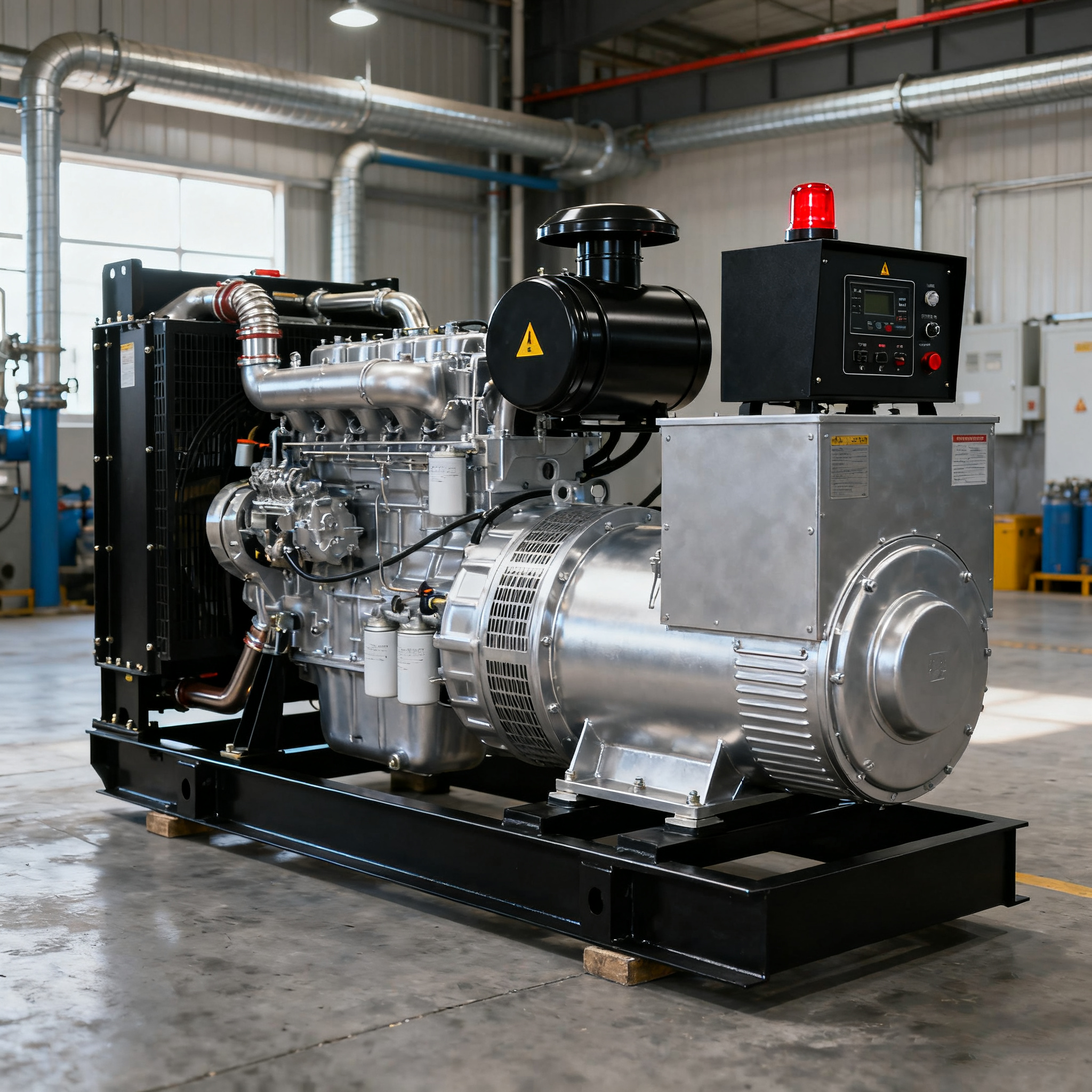
Working with manufacturers on customized generator sets requires careful planning, clear communication, and strategic partnership development. Industrial facilities, commercial buildings, and specialized applications often demand power solutions that go beyond standard off-the-shelf units. Understanding how to navigate the customization process with generator manufacturers can mean the difference between a successful power solution and costly delays or inadequate performance. The key lies in establishing collaborative relationships with experienced manufacturers who can deliver tailored solutions that meet your specific operational requirements.
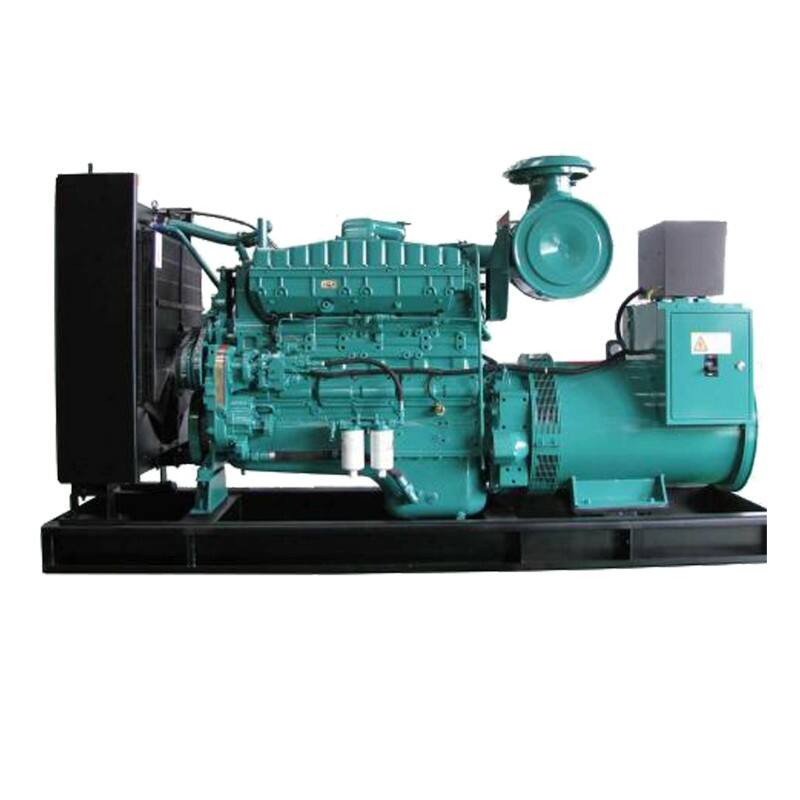
Understanding Your Power Requirements for Custom Solutions
Comprehensive Load Analysis and Assessment
Before approaching manufacturers for customized generator sets, conducting a thorough load analysis forms the foundation of successful customization. This process involves calculating total electrical demand, including starting loads, continuous loads, and potential future expansion requirements. Manufacturing facilities often have complex power needs with variable loads throughout different production cycles, making accurate assessment critical for proper sizing.
Professional load calculations should account for power factor considerations, harmonic distortion from variable frequency drives, and any sensitive equipment requiring clean power. Many facilities discover that their actual power requirements differ significantly from initial estimates, particularly when considering inrush currents from large motors or specialized manufacturing equipment. Working with qualified electrical engineers during this phase ensures that your customized generator sets will meet all operational demands.
Environmental and Installation Constraints
Site-specific factors heavily influence the design requirements for customized generator sets. Environmental conditions such as ambient temperature ranges, altitude, humidity levels, and corrosive atmospheres all impact generator performance and longevity. Manufacturers need detailed information about installation locations to properly engineer cooling systems, air intake filtration, and protective enclosures.
Space limitations often drive creative engineering solutions in custom generator applications. Urban installations may require sound-attenuated enclosures to meet noise ordinances, while industrial sites might need explosion-proof designs for hazardous environments. Discussing these constraints early with manufacturers allows for innovative approaches to overcome installation challenges while maintaining optimal performance characteristics.
Selecting the Right Manufacturing Partner
Evaluating Technical Capabilities and Experience
Choosing manufacturers with proven expertise in developing customized generator sets significantly impacts project success rates. Look for companies with extensive engineering resources, in-house design capabilities, and documented experience in similar applications. Manufacturers should demonstrate their ability to handle complex specifications while maintaining quality standards and delivery schedules.
Review case studies and reference installations to understand how potential partners have addressed similar challenges. The best manufacturers for customized generator sets maintain technical teams that can collaborate on innovative solutions rather than simply modifying standard products. Their engineering staff should be capable of performing detailed calculations, creating custom drawings, and providing comprehensive documentation for regulatory approvals.
Quality Standards and Certification Requirements
Industrial and commercial applications often require specific certifications and compliance standards for customized generator sets. Manufacturers must demonstrate adherence to relevant codes such as NFPA, UL listings, EPA emissions standards, and industry-specific requirements. Healthcare facilities, data centers, and food processing plants each have unique regulatory requirements that impact design specifications.
Quality management systems like ISO 9001 certification indicate manufacturers' commitment to consistent processes and continuous improvement. Additionally, look for partners who maintain relationships with component suppliers that also meet stringent quality standards. The integration of high-quality engines, alternators, and control systems requires manufacturers with established supply chain partnerships and quality control procedures.
Communication and Project Management Strategies
Establishing Clear Specification Documents
Successful customization projects begin with comprehensive specification documents that clearly outline all requirements for customized generator sets. These documents should include technical parameters, performance expectations, environmental conditions, and any special features or modifications needed. Detailed specifications help prevent misunderstandings and ensure that manufacturers can provide accurate quotes and delivery timelines.
Include information about existing infrastructure, utility connections, fuel systems, and integration requirements with building management systems. The more detailed your initial specifications, the better manufacturers can engineer appropriate solutions. Regular specification reviews throughout the design process help identify potential issues early and maintain alignment between your expectations and the manufacturer's capabilities.
Managing Design Reviews and Approval Processes
Effective project management requires structured design review processes with clear approval milestones. Manufacturers of customized generator sets typically provide preliminary designs, detailed engineering drawings, and final approval documents at different project phases. Establishing review timelines and approval criteria upfront prevents delays and ensures that all stakeholders can provide input at appropriate stages.
Design reviews should include input from electrical engineers, facilities managers, and end users who will operate the equipment. Many customization projects benefit from multiple review cycles that allow for refinements and optimizations before final manufacturing begins. Maintaining open communication channels with manufacturer engineering teams facilitates problem-solving and ensures that any design changes are properly documented and approved.
Technical Considerations for Custom Generator Design
Engine and Alternator Selection Criteria
The heart of any generator system lies in the proper matching of engines and alternators for specific applications. customized generator sets require careful consideration of duty cycles, load characteristics, and performance requirements when selecting these critical components. Manufacturers must balance factors like fuel efficiency, maintenance requirements, and initial cost to optimize long-term value.
Different engine technologies offer varying advantages depending on application requirements. Tier 4 Final diesel engines provide excellent fuel economy and low emissions but may require additional aftertreatment systems. Natural gas engines offer clean combustion and lower operating costs in areas with readily available gas supply. The alternator selection must consider voltage regulation requirements, harmonic distortion limits, and fault current capabilities for proper system protection.
Control System Integration and Automation
Modern customized generator sets incorporate sophisticated control systems that enable remote monitoring, automatic operation, and integration with facility management systems. These control platforms must be configured to meet specific operational requirements while providing intuitive interfaces for operators and maintenance personnel. Advanced controllers can manage multiple generators in parallel operation, load sharing, and automatic load shedding during overload conditions.
Integration capabilities with building automation systems, SCADA networks, and remote monitoring platforms require careful specification and testing. Many facilities need custom control logic for unique operational sequences or emergency procedures. Working with manufacturers who understand these integration requirements ensures that your customized generator sets will operate seamlessly within existing facility infrastructure and provide the monitoring capabilities needed for effective maintenance management.
Cost Management and Value Engineering
Understanding Pricing Structures for Custom Solutions
Pricing for customized generator sets involves multiple factors beyond standard equipment costs. Engineering time, custom fabrication, special testing requirements, and project management all contribute to final pricing. Understanding these cost components helps in making informed decisions about which customizations provide the greatest value and which alternatives might achieve similar results at lower cost.
Manufacturers typically provide detailed cost breakdowns that separate standard components from custom modifications. This transparency allows for value engineering discussions where alternative approaches might reduce costs while maintaining performance requirements. Early engagement with manufacturer sales and engineering teams often reveals opportunities for cost optimization through design modifications or component substitutions.
Long-term Value and Total Cost of Ownership
Evaluating customized generator sets requires analysis of total cost of ownership rather than just initial purchase price. Factors such as fuel efficiency, maintenance requirements, parts availability, and expected service life significantly impact long-term operating costs. Premium components and engineering may increase initial investment but provide substantial savings over the equipment lifecycle.
Consider the value of manufacturer support services, training programs, and warranty coverage when comparing proposals. Manufacturers with strong service networks and comprehensive parts inventory can minimize downtime and reduce maintenance costs. Many facilities find that investing in higher-quality customized generator sets with superior manufacturer support provides better long-term value than lower-cost alternatives with limited service capabilities.
Installation and Commissioning Coordination
Pre-Installation Planning and Site Preparation
Successful installation of customized generator sets requires extensive coordination between manufacturers, contractors, and facility management teams. Site preparation must account for foundation requirements, fuel system connections, electrical infrastructure, and ventilation systems. Manufacturers should provide detailed installation drawings and specifications early in the project timeline to allow for proper site preparation.
Coordinate delivery schedules with other construction activities to ensure that customized generator sets arrive when installation crews are ready to proceed. Large generator systems often require special handling equipment and may have restrictions on delivery routes or installation windows. Early planning prevents delays and reduces the risk of equipment damage during installation processes.
Testing and Performance Validation
Comprehensive testing protocols ensure that customized generator sets meet all specified performance requirements before acceptance. Factory testing typically includes load bank testing, vibration analysis, and emissions verification. On-site commissioning should include parallel operation testing, load transfer verification, and integration testing with existing facility systems.
Document all test results and maintain complete records for warranty and maintenance purposes. Many facilities require witnessed testing by independent engineers or authorities having jurisdiction. Manufacturers should provide detailed test procedures and acceptance criteria to ensure that all parties understand performance expectations and verification methods.
Maintenance and Service Considerations
Developing Comprehensive Maintenance Programs
Customized generator sets often require specialized maintenance procedures that differ from standard equipment protocols. Work with manufacturers to develop comprehensive maintenance programs that address unique components, operating conditions, and performance requirements. These programs should include detailed maintenance schedules, recommended spare parts inventory, and training requirements for maintenance personnel.
Consider the availability of qualified service technicians in your area when selecting manufacturers for customized generator sets. Some custom configurations may require factory-trained technicians for certain maintenance procedures or troubleshooting activities. Establishing service agreements during the procurement process ensures access to qualified support when needed and can provide cost predictability for maintenance activities.
Parts Supply and Technical Support
Long-term parts availability becomes critical for customized generator sets that may include non-standard components or configurations. Manufacturers should provide guarantees regarding parts availability and maintain adequate inventory levels for critical components. Consider establishing recommended spare parts inventory based on manufacturer recommendations and your facility's operational requirements.
Technical support capabilities vary significantly among manufacturers, particularly for complex custom applications. Look for partners who provide comprehensive technical documentation, remote diagnostic capabilities, and access to engineering support when needed. The best manufacturers maintain customer support teams that understand the unique aspects of your customized generator sets and can provide effective troubleshooting assistance.
FAQ
What information do manufacturers need to design customized generator sets
Manufacturers require comprehensive load analysis data, environmental conditions, installation constraints, and specific performance requirements. This includes electrical load schedules, duty cycle information, ambient temperature ranges, altitude, space limitations, noise requirements, and any special features needed. Detailed site information and existing infrastructure details help ensure proper integration and optimal performance.
How long does the customization process typically take
The timeline for customized generator sets varies depending on complexity and manufacturer capacity, typically ranging from 12 to 24 weeks from order placement to delivery. Simple modifications may require less time, while complex custom engineering projects can extend beyond 24 weeks. Early engagement with manufacturers and clear specification approval processes help minimize delays and ensure realistic delivery schedules.
What factors most significantly impact the cost of custom generator solutions
Engineering time, custom fabrication requirements, special testing needs, and non-standard components drive the majority of additional costs for customized generator sets. The complexity of control systems, environmental protection requirements, and certification needs also influence pricing. Understanding these cost drivers helps in making informed decisions about which customizations provide the best value for specific applications.
How do I ensure quality and reliability in custom generator projects
Select manufacturers with proven track records in similar applications, comprehensive quality management systems, and strong engineering capabilities. Require detailed testing protocols, maintain thorough documentation throughout the project, and establish clear acceptance criteria. Regular design reviews, factory visits, and witnessed testing help ensure that customized generator sets meet all quality and performance expectations before delivery and installation.
Table of Contents
- Understanding Your Power Requirements for Custom Solutions
- Selecting the Right Manufacturing Partner
- Communication and Project Management Strategies
- Technical Considerations for Custom Generator Design
- Cost Management and Value Engineering
- Installation and Commissioning Coordination
- Maintenance and Service Considerations
- FAQ