
 EN
EN
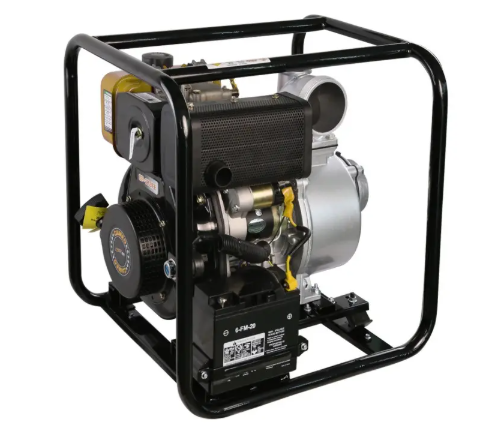
उचित रखरखाव आपके गैसोलीन जनरेटर के संचालन के जीवनकाल को काफी हद तक बढ़ा सकता है, जिसमें अध्ययनों से पता चलता है कि अच्छी तरह से रखरखाव किए गए जनरेटर का जीवनकाल उनकी तुलना में 50% अधिक हो सकता है जिनका रखरखाव नहीं किया गया है। नियमित रखरखाव न केवल महंगी खराबियों को रोकता है, बल्कि यह भी सुनिश्चित करता है कि आपका गैसोलीन जनरेटर आपकी सबसे ज़्यादा आवश्यकता के समय—चाहे वह बिजली कटौती के दौरान बैकअप बिजली के लिए हो या दूरस्थ कार्यस्थलों पर निरंतर संचालन के लिए—शिखर दक्षता के साथ काम करे।
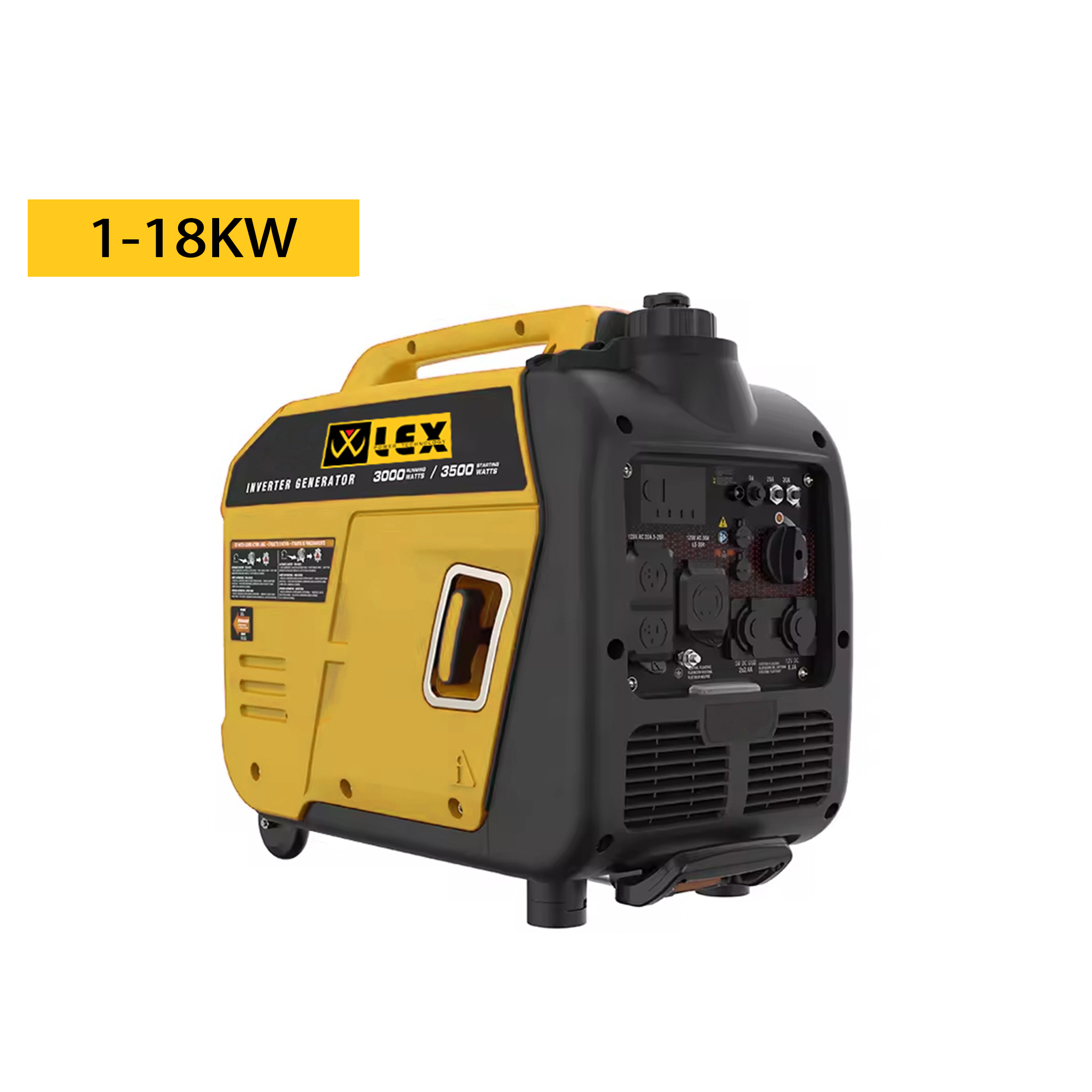
अपने गैसोलीन जनरेटर के अधिकतम जीवनकाल को प्राप्त करने की कुंजी यह समझना है कि ये मशीनें जटिल प्रणालियाँ हैं जिन्हें कई घटकों के आरोपित व्यवस्थित देखभाल की आवश्यकता होती है। इंजन के रखरखाव से लेकर विद्युत प्रणाली की जाँच तक, प्रत्येक पहलू समग्र दीर्घायु के लिए महत्वपूर्ण भूमिका निभाता है। कई ऑपरेटर अपने उपकरण के जीवनकाल को 30-40% तक कम कर देते हैं, जो अपर्याप्त रखरखाव प्रथाओं के कारण अनजाने में होता है, जिससे अपने निवेश की रक्षा के लिए उचित देखभाल आवश्यक हो जाती है।
अधिकतम गैसोलीन जनरेटर आयु के लिए आवश्यक इंजन रखरखाव
नियमित तेल परिवर्तन और गुणवत्तापूर्ण चयन
किसी भी गैसोलीन जनरेटर के लिए सबसे महत्वपूर्ण रखरखाव कार्य शुद्ध, उच्च-गुणवत्ता वाले इंजन तेल को बनाए रखना है। इंजन तेल गतिमान भागों को स्नेहित करता है, घर्षण को कम करता है और ऊष्मा के अपवहन में सहायता करता है, जो सीधे आपके जनरेटर के जीवनकाल को प्रभावित करता है। इष्टतम प्रदर्शन के लिए, ऑपरेशन के प्रत्येक 50–100 घंटे के बाद या न्यूनतम उपयोग के बावजूद वार्षिक रूप से कम से कम दो बार तेल को बदलें।
केवल निर्माता द्वारा अनुशंसित तेल ग्रेड का उपयोग करें, जो अधिकांश गैसोलीन जनरेटर मॉडलों के लिए आमतौर पर SAE 10W-30 होता है। सिंथेटिक तेल उत्कृष्ट सुरक्षा प्रदान करते हैं और परिवर्तन अंतराल को थोड़ा बढ़ा सकते हैं, लेकिन हमेशा अपने विशिष्ट मॉडल के दिशानिर्देशों का पालन करें। प्रत्येक उपयोग से पहले तेल के स्तर की जाँच करें और आवश्यकतानुसार तेल की पूर्ति करें, क्योंकि कम तेल की स्थिति में ऑपरेशन के कुछ ही मिनटों में इंजन को घातक क्षति हो सकती है।
तेल परिवर्तन के विस्तृत रिकॉर्ड बनाएं, जिनमें तारीखें, कार्य समय और उपयोग किए गए तेल का प्रकार शामिल हों। यह दस्तावेज़ीकरण रखरखाव के पैटर्न को स्थापित करने में सहायता करता है और वारंटी दावों के लिए मूल्यवान हो सकता है। तेल बदलते समय, साफ तेल प्रणाली में अशुद्धियों के संचार को रोकने के लिए हमेशा तेल फ़िल्टर को भी एक साथ बदल दें।
वायु फ़िल्टर का रखरखाव और प्रतिस्थापन
सही गैसोलीन जनरेटर संचालन और उसकी लंबी आयु के लिए एक साफ वायु फ़िल्टर आवश्यक है। गंदे वायु फ़िल्टर वायु प्रवाह को सीमित कर देते हैं, जिससे इंजन को अधिक कठिनाई से काम करना पड़ता है, ईंधन की अधिक खपत होती है और शक्ति निर्गत कम हो जाती है। मासिक रूप से वायु फ़िल्टर का निरीक्षण करें और जब वह स्पष्ट रूप से गंदा दिखाई दे या प्रत्येक 100 घंटे के संचालन के बाद उसे बदल दें।
कागज़ के वायु फ़िल्टर को साफ़ नहीं किया जाना चाहिए, बल्कि उन्हें बदल दिया जाना चाहिए, क्योंकि धोने से फ़िल्टर माध्यम को नुकसान पहुँच सकता है। यदि फ़ोम प्री-फ़िल्टर स्थापित हैं, तो उन्हें गुनगुने साबुन वाले पानी से साफ़ किया जा सकता है और हल्के मशीन तेल के साथ पुनः तेल लगाया जा सकता है। एक गंभीर रूप से अवरुद्ध वायु फ़िल्टर के साथ गैसोलीन जनरेटर का संचालन करने से बढ़े हुए घिसाव और अनुचित ईंधन दहन के कारण इंजन के जीवनकाल में लगभग 25% की कमी आ सकती है।
धूल भरे वातावरण में, वायु फिल्टर की जाँच अधिक बार करें और कठोर परिस्थितियों के लिए डिज़ाइन किए गए उच्च-दक्षता वाले फिल्टर के उपयोग पर विचार करें। कुछ गैसोलीन जनरेटर मॉडलों को प्री-फिल्टर अपग्रेड से लाभ होता है, जो प्राथमिक फिल्टर के जीवन को बढ़ाता है और समग्र इंजन सुरक्षा में सुधार करता है।
ईंधन प्रणाली की देखभाल और भंडारण प्रथाएँ
ईंधन गुणवत्ता प्रबंधन
गैसोलीन जनरेटर की विश्वसनीयता और दीर्घायु के लिए ईंधन की गुणवत्ता बनाए रखना आवश्यक है। केवल ताज़ा, साफ़ गैसोलीन का उपयोग करें, जिसकी ऑक्टेन रेटिंग निर्माता द्वारा अनुशंसित हो, आमतौर पर 87 ऑक्टेन या उच्चतर। 10% से अधिक इथेनॉल युक्त गैसोलीन से बचें, क्योंकि उच्च इथेनॉल सांद्रता ईंधन प्रणाली के घटकों को क्षतिग्रस्त कर सकती है और इंजन के जीवन को कम कर सकती है।
30 दिन से अधिक समय तक भंडारित की जाने वाली गैसोलीन में ईंधन स्थायीकर (फ्यूल स्टैबिलाइज़र) मिलाएँ, क्योंकि अनउपचारित ईंधन का विघटन सप्ताहों के भीतर शुरू हो जाता है। विघटित ईंधन ईंधन इंजेक्टर को अवरुद्ध कर सकता है, ईंधन पंप को क्षतिग्रस्त कर सकता है और इंजन दक्षता को कम करने वाले अवशेष बना सकता है। स्थायीकर के उपचार के बावजूद भी, छह महीने के बाद भंडारित ईंधन को प्रतिस्थापित कर देना चाहिए, ताकि इसकी आदर्श गुणवत्ता बनी रहे। पेट्रोल जेनरेटर प्रदर्शन।
जनरेटर को स्टोर करते समय ईंधन टैंक को हमेशा भरा रखें ताकि नमी कम से कम जमा हो, लेकिन उसे ज़रूरत से ज़्यादा न भरें क्योंकि इससे ईंधन प्रणाली में दबाव की समस्या हो सकती है। केवल अनुमोदित ईंधन कंटेनरों का ही उपयोग करें और स्थानीय अग्नि सुरक्षा नियमों और विनियमों का पालन करते हुए गैसोलीन को सुरक्षित रूप से संभालें।
कार्ब्योरेटर और ईंधन लाइन रखरखाव
कार्ब्योरेटर गैसोलीन जनरेटर ईंधन प्रणाली के सबसे सुभेद्य घटकों में से एक है। ईंधन आपूर्ति संबंधी समस्याओं के उत्पन्न होने पर या वार्षिक रूप से कार्ब्योरेटर की सफाई करें। कार्ब्योरेटर संबंधी समस्याओं के लक्षणों में कठिन प्रारंभ, अस्थिर आइडलिंग या भार के तहत शक्ति निर्गत में कमी शामिल हैं।
ईंधन लाइनों का नियमित रूप से दरारों, रिसावों या क्षरण के लिए निरीक्षण करें। ईंधन लाइन विफलता से आग के खतरे और संचालन संबंधी समस्याएँ उत्पन्न हो सकती हैं; अतः इन्हें रोकथाम के उद्देश्य से प्रत्येक 3-5 वर्ष में प्रतिस्थापित करें। ईंधन लाइन कनेक्शन को कसाव के लिए जाँचें और यदि क्लैम्प्स पर संक्षारण या कमजोरी के लक्षण दिखाई दें, तो उन्हें प्रतिस्थापित कर दें।
मौसमी भंडारण के दौरान, गैसोलीन जनरेटर को तब तक चलाएं जब तक ईंधन टैंक खाली न हो जाए, या ईंधन स्थिरीकरणकर्ता मिलाकर इंजन को 10-15 मिनट तक चलाएं ताकि उपचारित ईंधन कार्बुरेटर के माध्यम से परिसंचरित हो सके। इससे ईंधन के वार्निश के जमा होने की रोकथाम होती है, जो कार्बुरेटर के जेट्स और पैसेजेज को अवरुद्ध कर सकता है।
विद्युत प्रणाली रखरखाव और सुरक्षा
बैटरी की देखभाल और जांच
इलेक्ट्रिक-स्टार्ट गैसोलीन जनरेटर मॉडल विश्वसनीय स्टार्टिंग के लिए बैटरी प्रणालियों पर निर्भर करते हैं। डिजिटल मल्टीमीटर का उपयोग करके मासिक रूप से बैटरी वोल्टेज का परीक्षण करें और इष्टतम प्रदर्शन के लिए आवेश स्तर को 12.4 वोल्ट से ऊपर बनाए रखें। शुरू करने में समस्याओं और विद्युत प्रणाली के क्षति को रोकने के लिए बैटरी टर्मिनलों को नियमित रूप से साफ करें।
रोकथाम के उद्देश्य से गैसोलीन जनरेटर की बैटरियों को प्रत्येक 3-4 वर्ष में बदल देना चाहिए, भले ही वे ठीक से कार्य कर रही प्रतीत हों। शीत ऋतु में बैटरी क्षमता में काफी कमी आती है, अतः अत्यधिक ठंडे जलवायु क्षेत्रों में बैटरी वार्मर्स या हीटेड भंडारण पर विचार करें। रखरखाव योग्य बैटरियों में उचित इलेक्ट्रोलाइट स्तर बनाए रखें और टॉप-ऑफ के लिए केवल आसुत जल का उपयोग करें।
बैटरी टर्मिनल्स पर डाइइलेक्ट्रिक ग्रीस की परत बनाए रखें ताकि संक्षारण रोका जा सके और विश्वसनीय विद्युत कनेक्शन सुनिश्चित किए जा सकें। ढीले या संक्षारित कनेक्शन शुरू करने में असमर्थ हो सकते हैं और संचालन के दौरान विद्युत प्रणाली को क्षति पहुँचा सकते हैं।
स्पार्क प्लग की जाँच और प्रतिस्थापन
स्पार्क प्लग्स गैसोलीन जनरेटर इंजन के प्रदर्शन और ईंधन दक्षता में महत्वपूर्ण भूमिका निभाते हैं। संचालन के प्रत्येक 100 घंटे के बाद स्पार्क प्लग्स का निरीक्षण करें, जिसमें घिसावट, कार्बन निक्षेप या इलेक्ट्रोड अपघटन के लक्षणों की खोज की जाए। स्पार्क प्लग्स को वार्षिक रूप से या निर्माता के विनिर्देशों के अनुसार, आमतौर पर संचालन के प्रत्येक 200–300 घंटे के बाद बदल दें।
केवल निर्माता-निर्दिष्ट स्पार्क प्लग्स का उपयोग करें, जिनमें सही ऊष्मा सीमा और गैप सेटिंग्स हों। गलत स्पार्क प्लग्स इंजन को क्षति पहुँचा सकते हैं, प्रदर्शन में कमी ला सकते हैं और ईंधन दक्षता को कम कर सकते हैं। नए स्पार्क प्लग्स को फीलर गेज का उपयोग करके विनिर्देशित गैप पर सेट करें, क्योंकि पूर्व-गैप किए गए प्लग्स आपके गैसोलीन जनरेटर की आवश्यकताओं के सटीक रूप से मेल नहीं खा सकते हैं।
आपातकालीन प्रतिस्थापन के लिए स्पेयर स्पार्क प्लग्स को हमेशा साथ में रखें, विशेष रूप से उन दूरस्थ स्थानों के लिए जहाँ पुर्जों की उपलब्धता सीमित हो सकती है। एक खराब हो रहा स्पार्क प्लग इंजन के गलत फायरिंग (मिसफायरिंग), शक्ति आउटपुट में कमी और अन्य इंजन घटकों को क्षति पहुँचाने का कारण बन सकता है।
शीतलन प्रणाली और पर्यावरण संरक्षण
शीतलन प्रणाली रखरखाव
गैसोलीन जनरेटर इंजनों में अत्यधिक गर्म होने की क्षति को रोकने के लिए उचित शीतलन प्रणाली रखरखाव आवश्यक है। महीने में एक बार संपीड़ित वायु या एक नरम ब्रश का उपयोग करके शीतलन फिन्स को साफ़ करें ताकि धूल, मल-मार्क और तेल के जमाव को हटाया जा सके, जो वायु प्रवाह को प्रतिबंधित कर सकते हैं। अवरुद्ध शीतलन फिन्स के कारण इंजन का तापमान तेज़ी से बढ़ सकता है, जिससे जल्दी घिसावट और संभावित घातक विफलता हो सकती है।
शीतलन पंखा और श्रौड्स का निरीक्षण करें कि कहीं कोई क्षति या अवरोध तो नहीं है। सुनिश्चित करें कि पंखे की ब्लेड्स सुरक्षित और संतुलित हैं, क्योंकि ढीले या क्षतिग्रस्त पंखे कंपन समस्याएँ और अपर्याप्त शीतलन का कारण बन सकते हैं। अतितापन की समस्याओं को रोकने के लिए क्षतिग्रस्त शीतलन प्रणाली घटकों को तुरंत बदल दें।
उपयोग के दौरान इंजन के संचालन तापमान की निगरानी करें, विशेष रूप से गर्म मौसम या उच्च ऊँचाई वाले अनुप्रयोगों में। कई गैसोलीन जनरेटर मॉडलों में तापमान गेज या चेतावनी प्रणालियाँ शामिल होती हैं जो क्षति होने से पहले ऑपरेटरों को अतितापन की स्थिति के बारे में सूचित करती हैं।
मौसम सुरक्षा और भंडारण
अपने गैसोलीन जनरेटर को पर्यावरणीय चरम स्थितियों से बचाना उपकरण के जीवनकाल को काफी बढ़ाता है। बाहर भंडारित करते समय जनरेटर के लिए डिज़ाइन किए गए मौसम-प्रतिरोधी कवर का उपयोग करें, जिससे घनीभूत नमी के निर्माण को रोकने के लिए पर्याप्त वेंटिलेशन सुनिश्चित हो सके। कार्बन मोनोऑक्साइड के खतरे के कारण कभी भी गैसोलीन जनरेटर को किसी बंद स्थान पर संचालित न करें।
जहाँ संभव हो, गैसोलीन जनरेटर उपकरण को शुष्क, अच्छी तरह से वेंटिलेटेड क्षेत्रों में भंडारित करें। नमी के संपर्क में आने से समय के साथ विद्युत प्रणाली में संक्षारण, ईंधन प्रणाली की समस्याएँ और इंजन क्षति हो सकती है। नमी के प्रभाव को कम करने के लिए बंद भंडारण क्षेत्रों में डिसिकेंट पैक या नमी अवशोषक का उपयोग करें।
उत्पादक द्वारा निर्दिष्ट ईंधन प्रणाली संरक्षण, तेल परिवर्तन और घटकों की सुरक्षा के निर्देशों का पालन करके गैसोलीन जनरेटर यूनिट्स को मौसमी भंडारण के लिए तैयार करें। उचित भंडारण तैयारी से महंगी मरम्मत को रोका जा सकता है और जब उपकरण की पुनः आवश्यकता होगी, तो इसके विश्वसनीय संचालन को सुनिश्चित किया जा सकता है।
प्रदर्शन निगरानी और निवारक अनुसूचीकरण
लोड टेस्टिंग और प्रदर्शन सत्यापन
नियमित लोड परीक्षण सुनिश्चित करता है कि आपका गैसोलीन जनरेटर अपनी नामांकित क्षमता बनाए रखे और महत्वपूर्ण विफलताओं के होने से पहले प्रदर्शन में कमी का पता लगाए। अपने जनरेटर का मासिक रूप से विभिन्न लोड स्थितियों—हल्के लोड से लेकर अधिकतम नामांकित क्षमता तक—के तहत परीक्षण करें, और पूरे परीक्षण चक्र के दौरान वोल्टेज स्थिरता और आवृत्ति नियमन की निगरानी करें।
रखरखाव लॉग में प्रदर्शन परीक्षण के परिणामों का दस्तावेज़ीकरण करें, जिसमें ईंधन खपत, वोल्टेज आउटपुट और संचालन तापमान में प्रवृत्तियों को ट्रैक किया जाए। धीमी गति से होने वाली प्रदर्शन कमी अक्सर विकसित हो रही समस्याओं का संकेत देती है, जिन्हें महंगी मरम्मत की आवश्यकता होने से पहले निवारक रखरखाव के माध्यम से संबोधित किया जा सकता है।
गैसोलीन जनरेटर के आउटपुट विनिर्देशों की पुष्टि करने के लिए कैलिब्रेटेड परीक्षण उपकरण का उपयोग करें, जिसमें वोल्टेज सटीकता, आवृत्ति स्थिरता और कुल हार्मोनिक विरूपण शामिल हैं। निर्माता के विनिर्देशों के बाहर का प्रदर्शन आंतरिक समस्याओं का संकेत दे सकता है, जिनके लिए व्यावसायिक सेवा या घटक प्रतिस्थापन की आवश्यकता हो सकती है।
रखरखाव अनुसूची और रिकॉर्ड रखरखाव
कार्य समय, कैलेंडर समय और निर्माता की सिफारिशों के आधार पर एक व्यापक रखरखाव अनुसूची तैयार करें। सभी सेवा गतिविधियों, भागों के प्रतिस्थापन और प्रदर्शन अवलोकनों को ट्रैक करने के लिए विस्तृत रखरखाव रिकॉर्ड बनाएं। ये रिकॉर्ड समस्याओं के निवारण और रखरखाव अंतराल के अनुकूलन के लिए अमूल्य हैं।
गैसोलीन जनरेटर के सेवा इतिहास को ट्रैक करने के लिए डिजिटल रखरखाव प्रबंधन प्रणालियों या सरल लॉगबुक्स का उपयोग करें। घटकों की स्थिति के फोटोग्राफ, परीक्षण परिणाम और कोई भी असामान्य अवलोकन शामिल करें जो विकसित हो रही समस्याओं का संकेत दे सकते हैं। निरंतर रिकॉर्ड रखने से आपके विशिष्ट संचालन स्थितियों के अनुसार पैटर्न की पहचान करने और रखरखाव के समयसूची को अनुकूलित करने में सहायता मिलती है।
संचालन व्यवधान को न्यूनतम करने के लिए प्रमुख सेवा गतिविधियों को कम मांग वाली अवधि के दौरान निर्धारित करें। सेवा की आवश्यकता होने पर देरी से बचने के लिए रखरखाव की समयसूची और ऐतिहासिक उपभोग पैटर्न के आधार पर भागों के इन्वेंट्री की योजना बनाएं।
अक्सर पूछे जाने वाले प्रश्न
मुझे अपने गैसोलीन जनरेटर में तेल कितनी बार बदलना चाहिए?
अपने गैसोलीन जनरेटर में तेल प्रत्येक 50-100 घंटे के संचालन के बाद या वर्ष में कम से कम दो बार, जो भी पहले आए, बदलें। नए जनरेटर के लिए, ब्रेक-इन के दौरान उत्पन्न होने वाले अशुद्धियों को हटाने के लिए पहले 5-10 घंटे के संचालन के बाद तेल बदलें। प्रत्येक उपयोग से पहले तेल के स्तर की जाँच अवश्य करें और इंजन को क्षति से बचाने के लिए उचित तेल स्तर बनाए रखें।
प्रीमियम गैसोलीन का उपयोग करने से क्या मेरे जनरेटर के जीवनकाल में वृद्धि हो सकती है?
यदि आपका इंजन सामान्य ईंधन के लिए डिज़ाइन किया गया है, तो प्रीमियम गैसोलीन का उपयोग करने से आपके गैसोलीन जनरेटर के जीवनकाल में कोई महत्वपूर्ण वृद्धि नहीं होगी। कृपया अपने निर्माता द्वारा निर्दिष्ट ऑक्टेन रेटिंग का उपयोग करें, जो आमतौर पर 87 ऑक्टेन होती है। हालाँकि, एथेनॉल के बिना या न्यूनतम एथेनॉल सामग्री वाले उच्च-गुणवत्ता वाले गैसोलीन का उपयोग ईंधन प्रणाली से संबंधित समस्याओं को रोकने और घटकों के जीवनकाल को बढ़ाने में सहायता कर सकता है।
मेरे गैसोलीन जनरेटर को तुरंत रखरखाव की आवश्यकता के क्या लक्षण हैं?
चेतावनी के लक्षणों में स्टार्ट करने में कठिनाई, अस्थिर आइडलिंग, शक्ति आउटपुट में कमी, अत्यधिक धुआँ, असामान्य शोर या अत्यधिक गर्म होना शामिल हैं। ऑयल दबाव चेतावनी लाइट, कम ऑयल स्तर संकेतक या दृश्यमान ऑयल रिसाव भी तुरंत ध्यान देने योग्य हैं। यदि आप इनमें से कोई भी लक्षण देखते हैं, तो तुरंत संचालन बंद कर दें और आवश्यक रखरखाव करें या किसी योग्य सेवा तकनीशियन से संपर्क करें।
उचित रखरखाव के साथ मैं अपने गैसोलीन जनरेटर के कितने समय तक चलने की अपेक्षा कर सकता हूँ?
एक अच्छी तरह से रखरखाव वाला गैसोलीन जनरेटर नियमित उपयोग के साथ 2,000–3,000 घंटे या 15–20 वर्षों तक विश्वसनीय रूप से काम कर सकता है। नियमित तेल परिवर्तन, वायु फ़िल्टर की प्रतिस्थापना और ईंधन प्रणाली की देखभाल सहित उचित रखरखाव से इस आयु को खराब रखरखाव वाली इकाइयों की तुलना में लगभग 50% तक बढ़ाया जा सकता है। कार्य करने की स्थितियाँ, लोड कारक और रखरखाव की गुणवत्ता सभी वास्तविक सेवा आयु को काफी हद तक प्रभावित करते हैं।