
 EN
EN
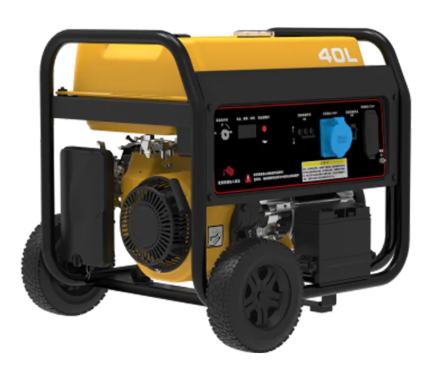
У данашњем међусобно повезаном свету, удаљене и офшорске операције суочавају се са јединственим изазовима производње енергије који захтевају снажна и поуздана решења. Било да се ради о подршци поморским бродовима који плови далеко у водима или о пољопривредним операцијама у изолованим руралним подручјима, потреба за конзистентном електричном енергијом не може бити прецењена. Ови окружења представљају тешке услове, укључујући излагање соленој води, екстремне температуре, ограничен приступ одржавању и критичан захтев за непрестано функционисање. Избор одговарајуће опреме за производњу енергије постаје од суштинског значаја за успех и безбедност рада.
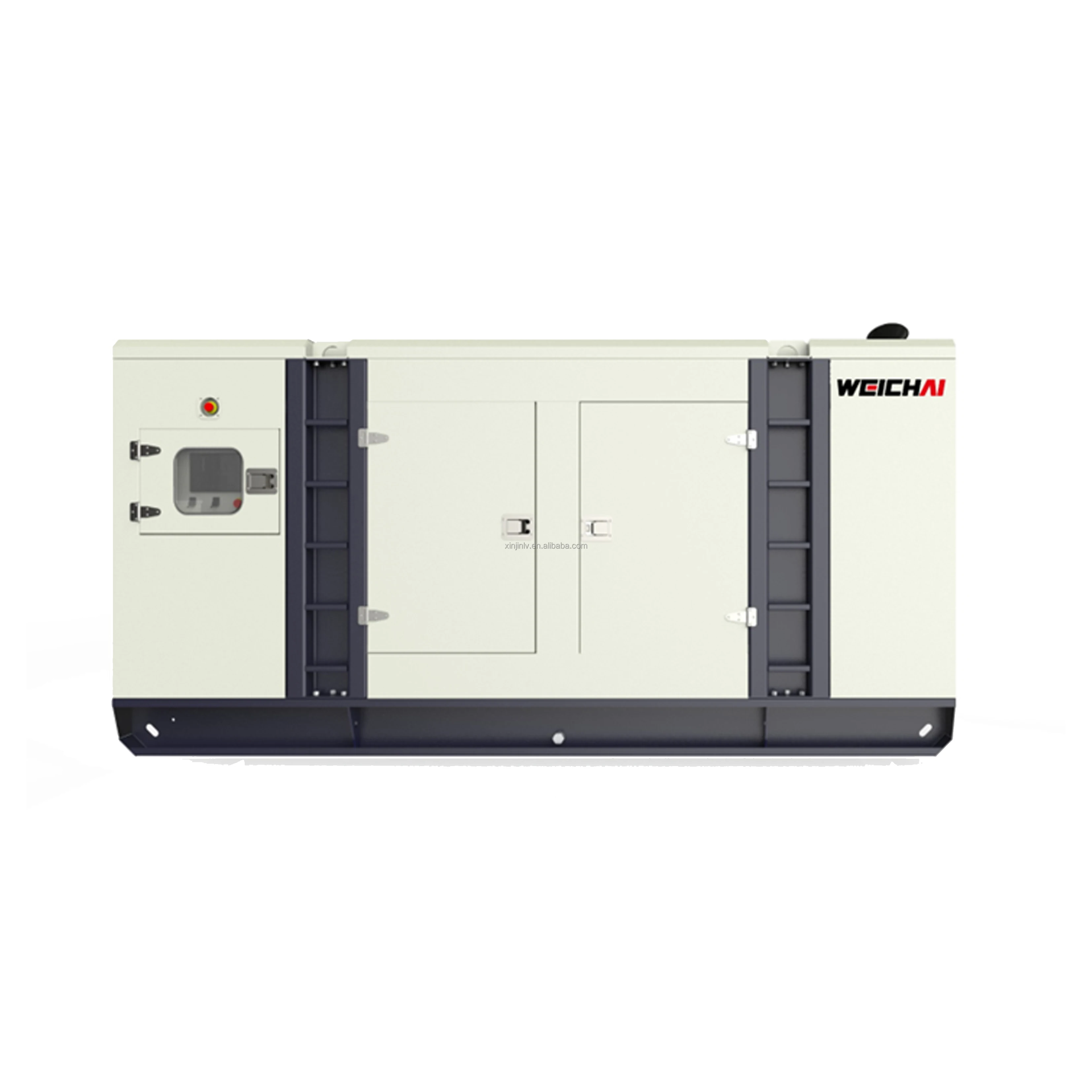
Moderni dizel pogoni su postali preporučeno rešenje za ove zahtevne primene, nudeći izuzetnu pouzdanost, efikasnost u potrošnji goriva i prilagodljivost različitim operativnim zahtevima. Ovi sofisticirani sistemi kombinuju dokazanu tehnologiju dizel motora sa naprednim kontrolnim sistemima, obezbeđujući osnov za uspešne operacije na daljinu u više industrija. Razumevanje specifičnih zahteva i dostupnih rešenja pomaže operaterima da donesu obrazložene odluke u vezi sa svojom infrastrukturom za proizvodnju energije.
Zahtevi za proizvodnju energije na moru
Pogon brodova i pomoćni sistemi
Морским бродовима је потребна значајна количина електричне енергије за погонске системе, опрему за навигацију, комуникационе уређаје и удобност посаде. Храпава морска средина захтева опрему за производњу енергије која може да издржи стално вибрације, корозију услед морске воде и флуктуације температуре. Савремени бродови често користе напредне електронске системе као што су радар, GPS навигација, локатори рибе и аутоматски системи управљања кормилом, сви захтевају стабилну електричну снагу.
Комерцијални риболовни бродови, бродови за снабдевање отвореног мора и научно-истраживачки бродови посебно имају користи од резервних система напајања који осигуравају непрекидност рада. Интеграција више дизел генератора омогућава дељење оптерећења у периодима вршног захтева, док истовремено обезбеђује резервну могућност током одржавања или неочекиваних кварова. Ова резервност је од решавајућег значаја када бродови раде стотинама миља од обале, са ограниченим приступом хитној помоћи.
Рад платформи на отвореном мору
Нафташке и гасне платформе, инсталације ветроградњи и морске истраживачке станице захтевају сталну производњу енергије како би подржале критичне операције. Ове инсталације често укључују сложену процесну опрему, системе безбедности и комуникационе мреже који не могу да поднесу прекиде у снабдевању струјом. Због удаљености офшор радних места, опрема за производњу енергије мора да ради поуздано дужи временски период између планских интервала одржавања.
Станице за праћење животне средине и временске буојеви такође зависе од поуздане производње енергије како би одржали стално прикупљање и пренос података. Ови системи обично захтевају нижи ниво снаге, али им је потребна изузетна поузданост и ефикасност у потрошњи горива како би се смањили број посета за одржавање и оперативни трошкови. Способност да издрже екстремне временске прилике, укључујући јаке ветрове, велике таласе и екстремне температуре, постаје од суштинског значаја за дугорочан успешан рад.
Пољопривредне примене струје
Системи за наводњавање и управљање водом
Савремене пољопривредне операције увек више зависе од напредних система за наводњавање који захтевају сталну електричну енергију за пумпе, системе управљања и опрему за надзор. Удаљена пољопривредна имања често немају приступ поузбаним мрежама за електричну енергију, због чега су дизел генератори примарни извор енергије за операције наводњавања. Ови системи морају деловати ефикасно током вршног периода узгоја, када је потрошња енергије највећа, а временски оквир за рад најкритичнији.
Системи управљања водом, укључујући филтрацију, пречишћавање и дистрибуцијске мреже, захтевају прецизне могућности контроле и надзора. Интеграција аутоматизованих система омогућава пољопривредницима да оптимизују употребу воде, одржавају здравље усева и максимизују принос. Опрема за производњу енергије која подржава ове примене мора обезбедити стабилан напон и фреквенцију ради правилног рада осетљивих електронских система за контролу.
Поуздре и млечно сточарство
Фарме за стоку захтевају сталан напон за системе вентилације, опрему за хранљење, дојење и контролу животне средине. Здравље и продуктивност животиња у великој мери зависе од одржавања оптималних услова попут температуре, влажности и квалитета ваздуха. Прекиди у снабдевању енергијом брзо могу довести до стреса код животиња, смањене продуктивности и потенцијалних здравствених проблема који захтевају одмаху ветеринарску интервенцију.
Производња млека посебно захтева поуздано генерисање струје за опрему за дојење, системе за хлађење млека и аутоматске системе за хранљење. Ови процеси раде према строгом распореду који не може поднети прекиде у снабдевању струјом без значајних последица по квалитет млека и благостање животиња. Интеграција резервних система напајања осигурава непрекидност током прекида у мрежи или периода одржавања опреме.
Kriterijumi izbora opreme
Излазна снага и захтеви оптерећења
Одређивање одговарајућег капацитета производње енергије захтева пажљиву анализу захтева како за стална оптерећења тако и за вршна оптерећења. Морске и пољопривредне примене често имају значајне варијације оптерећења током радних циклуса, због чега су потребни генератори способни да ефикасно поднесу динамичке промене оптерећења. Поступак одабира мора узети у обзир погонске струје великих мотора, истовремени рад више система и захтеве за идћом проширења.
Анализа оптерећења треба да укључи детаљну проверу захтева за фактором снаге, разматрање хармонијског искривљења и потребе за регулацијом напона. Савремена електронска опрема често захтева чисту струју са минималним флуктуацијама напона и варијацијама фреквенције. Дизел електричне агрегате који су дизајнирани за ове примене обично укључују напредне регулаторе напона и системе за кондиционисање снаге како би испунили строге захтеве квалитета струје.
Environsmentalne i operacione uslove
Одабир опреме мора узети у обзир специфичне услове спољашње средине, укључујући екстремне температуре, нивое влажности, излагање сланој води и загађење прашином. Примена у морским условима захтева специјализоване корозионо отпорне материјале и премазе који издржавају стално излагање сланој води. Пољопривредна окружења често представљају изазове укључујући прашину, отпад и потенцијално експлозивне атмосфере, што захтева одговарајућа сертификате безбедности.
Погонски аспекти укључују доступност горива, приступ сервисирању, ограничења буке и захтеве у вези емисије. Удаљена подручја могу захтевати опрему која је способна за продужен рад између доставе горива и сервисских посета. Одабир одговарајућих система за гориво, опреме за филтрирање и система за надзор постаје критичан за поуздан рад у тешким условима.
Разлози за инсталацију и интеграцију
Механичка упутства за инсталацију
Правилна инсталација дизел мотора захтева пажњу према системима за монтирање, изолацији вибрација и захтевима структурне подршке. Монтажа на бродовима мора узети у обзир кретање брода, расподелу тежине и приступачност за сервисне операције. Уградња амортизера и флексибилних веза помаже у смањивању преноса вибрација мотора на структуру брода и осетљиву опрему.
Монтажа у пољопривреди често захтева водонепропусне кућишта, одговарајуће системе вентилације и заштиту од спољашњих опасности као што су прашина, влага и екстремне температуре. Избор одговарајућих материјала за кућишта и система вентилације осигурава оптималне услове рада, истовремено штитећи опрему од штете услед спољашње средине. Правилно пројектовање и израда темеља спречава пренос вибрација и обезбеђује стабилан рад.
Integracija električnog sistema
Интеграција са постојећим електричним системима захтева пажљиво планирање како би се осигурала компатибилност са захтевима оптерећења, системима заштите и контролним интерфејсима. На морским бродовима често је неопходна интеграција са постојећим системима погона, навигационом опремом и бордовским мрежама за расподелу струје. Увођење одговарајућих система за уземљење, заштите од прекомјерних напона и изолационих уређаја штити генератор и прикључену опрему од електричних кварова.
Пољопривредне инсталације често захтевају интеграцију са прикључцима на јавну мрежу, пребацивачима оптерећења и системима управљања оптерећењем. Аутоматски пребацивачи омогућавају безпрекоран прелазак са напајања из мреже на рад генератора током прекида или периода одржавања. Укључивање система за надзор и управљање оптерећењем оптимизује потрошњу горива, истовремено одржавајући квалитет струје за критичне операције.
Потребе за одржавање и сервис
Програми превентивног одржавања
Uvođenje sveobuhvatnih programa preventivnog održavanja osigurava pouzdanu dugoročnu radnju dizel agregata u udaljenim primenama. Redovni rasporedi održavanja moraju uzeti u obzir radne sate, kvalitet goriva, klimatske uslove i preporuke proizvođača. Uvođenje sistema za nadzor stanja pomaže u otkrivanju potencijalnih problema pre nego što dovedu do kvarova opreme ili nenamernih prekida rada.
Programi održavanja treba da uključuju redovne provere sistema za hlađenje, filtracije vazduha, gorivnih sistema i električnih komponenti. Teški radni uslovi u morskim i poljoprivrednim sredinama često ubrzavaju habanje i zahtevaju češće intervale servisa u poređenju sa stacionarnim primenama. Pravilno vođenje evidencije o održavanju pomaže u optimizaciji rasporeda servisa i u prepoznavanju obrazaca koji mogu ukazivati na osnovne probleme.
Дистанцијски надзор и дијагностика
Savremeni dizel pogoni često uključuju napredne sisteme za nadzor i dijagnostiku koji omogućavaju daljinsko praćenje stanja i performansi opreme. Ovi sistemi pružaju podatke u realnom vremenu o parametrima motora, električnom izlazu, potrošnji goriva i potrebama za održavanje. Mogućnost daljinskog nadzora opreme smanjuje potrebu za čestim posetama lokaciji, uz istovremeno omogućavanje proaktivnog planiranja održavanja.
Dijagnostičke mogućnosti pomažu tehničarima da brzo identifikuju i reše probleme, minimizirajući vreme nedostupnosti i smanjujući troškove servisa. Integracija satelitskih komunikacionih sistema omogućava nadzor i kontrolu opreme na lokacijama bez pokrivenosti mobilnom mrežom. Automatski alarmni sistemi obaveštavaju operatere o kritičnim uslovima koji zahtevaju odmah pažnju, što pomaže u sprečavanju oštećenja opreme i osigurava nesmetan rad.
Економска разматрања и повраћај инвестиције
Почетни трошак и трошкови експлоатације
Економско оправдање за употребу дизел погонских јединица у удаљеним применама мора узети у обзир како почетне капиталне инвестиције, тако и трошкове одржавања на дугорочном нивоу. Иако могући почетни трошак може бити значајан, предности поузрошног производа електричне енергије често оправдавају инвестицију кроз побољшану оперативну ефикасност, смањено време простоја и побољшану сигурност. Одговарајућа економска анализа треба да укључи трошкове горива, трошкове одржавања и потенцијалне утицаје на приходе услед прекида напајања.
Ефикасност у потрошњи горива постаје нарочито важна у удаљеним локацијама где могу бити значајни трошкови доставе горива. Савремени дизел мотори укључују напредне системе убризгавања горива, турбо пуњаче и електронске контроле који оптимизују потрошњу горива у разним условима оптерећења. Избор опреме одговарајуће величине спречава прекомерно димензионисање, што би смањило ефикасност у потрошњи горива и повећало оперативне трошкове.
Продуктивност и оперативне предности
Pouzdana proizvodnja energije omogućava povećanu produktivnost i operativnu efikasnost, što često obezbeđuje značajan povrat ulaganja. Morske operacije imaju koristi od smanjenih vremena prevoza, poboljšane sigurnosti i naprednijih operativnih mogućnosti. Poljoprivredne operacije imaju bolje prinose useva, smanjene troškove rada i poboljšanu kvalitetu proizvoda zahvaljujući konstantnoj dostupnosti energije.
Mogućnost rada nezavisno od mreže obezbeđuje fleksibilnost u radu i smanjuje ranjivost na prekide u snabdevanju ili ograničenja infrastrukture. Ova nezavisnost postaje posebno važna u udaljenim lokacijama gde strujna mreža može biti nepouzdana ili nedostupna. Naprednije operativne mogućnosti često omogućavaju proširenje na nove tržišne ili operativne prostore koji bi inače bili nedostupni.
Често постављене питања
Koje veličine diesel agregat je potreban za tipične morske primene
Потребе морских снага значајно варирају у зависности од величине брода, опреме и радног профила. Мали рибарски бродови могу захтевати јединице од 50-100 kVA, док већим комерцијалним бродовима често требају системи од 200-500 kVA. Објекти у отвореном мору обично захтевају више јединица у опсегу 500-2000 kVA како би осигурали адекватну редунданцију и капацитет за сложене операције.
Како природни услови утичу на перформансе дизел снажних јединица
Природни услови значајно утичу на излазну снагу и захтеве у вези одржавања. Високе температуре смањују снагу мотора и повећавају захтеве система за хлађење, док излагање сланој води убрзава корозију и захтева специјализоване материјале и премазе. Загађење прашином и дефектима захтева побољшане системе филтрације ваздуха и чешћа одржавања како би се спречило превремено хабање и кварови компоненти.
Који аспекти горива су важни за стварање енергије у удаљеним подручјима
Kvalitet goriva, skladištenje i dostupnost postaju kritični faktori u daljinskim aplikacijama. Gorivo visokog kvaliteta za dizel motore sa odgovarajućim aditivima sprečava kontaminaciju i produžava vek opreme. Sistemi za skladištenje goriva moraju uključivati filtraciju, odvajanje vode i nadzor kontaminacije kako bi se osigurala pouzdana eksploatacija. Planiranje logistike isporuke goriva i kapaciteta za skladištenje osigurava neometane operacije tokom dužih perioda upotrebe.
Kako operateri mogu optimizovati rasporede održavanja za instalacije na daljinu
Оптимизација одржавања захтева равнотежу између интервала сервисирања, ограничења приступа и оперативних захтева. Увођење система надзора заснованих на стању помаже у продужавању интервала између планских сервиса и спречава неочекиване кварове. Чување одговарајућих резервних делова и потрошних материјала на самом месту смањује простој током радова на одржавању. Обука локалног особља за основне поступке одржавања може да задовољи свакодневне потребе, без потребе за доласком специјализованих техничара.