 EN
EN
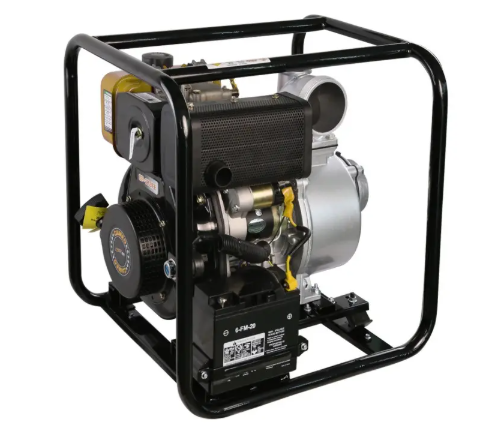
ການປະເມີນຜົນງານ ແລະ ຄວາມໜ້າເຊື່ອຖືຂອງຊุดເຄື່ອງກໍເອງໄຟຟ້າດີເຊນ ແມ່ນສຳຄັນຫຼາຍໃນການຮັບປະກັນການສະໜອງພະລັງງານຢ່າງຕໍ່ເນື່ອງ ສຳລັບການນຳໃຊ້ໃນອຸດສາຫະກຳ, ທຸລະກິດ ແລະ ການອາໄສຢູ່. ບໍ່ວ່າທ່ານຈະກຳລັງວາງແຜນຊື້ຊຸດໃໝ່ ຫຼື ປະເມີນລະບົບທີ່ມີຢູ່, ການເຂົ້າໃຈຕົວຊີ້ວັດຜົນງານ ແລະ ຕົວຊີ້ວັດຄວາມໜ້າເຊື່ອຖືທີ່ສຳຄັນ ຈະຊ່ວຍໃຫ້ທ່ານຕັດສິນໃຈຢ່າງມີຂໍ້ມູນ ເພື່ອປ້ອງກັນການລົງທຶນຂອງທ່ານ ແລະ ຮັກສາຄວາມຕໍ່ເນື່ອງໃນການດຳເນີນງານ.
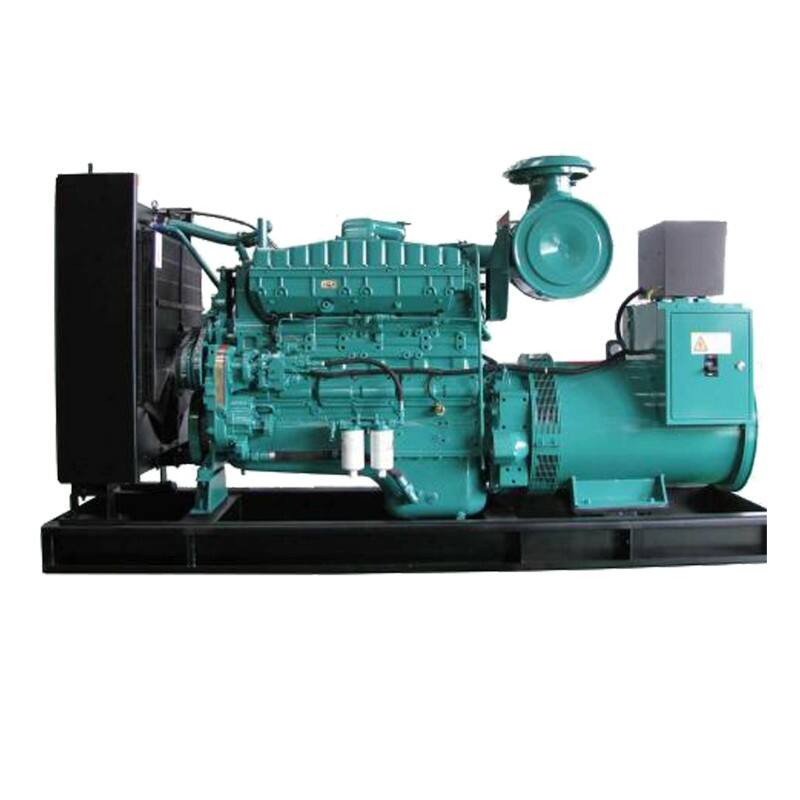
ລະບົບຊຸດເຄື່ອງກໍເອງໄຟຟ້າດີເຊນທີ່ທັນສະໄໝ ເຮັດໜ້າທີ່ເປັນພື້ນຖານຂອງວິທີແກ້ໄຂດ້ານພະລັງງານສຳລັບສະຖານະການເກີດເຫດສຸກເສີນໃນອຸດສາຫະກຳຕ່າງໆ. ຈາກໂຮງໝໍທີ່ຕ້ອງການພະລັງງານຢ່າງຕໍ່ເນື່ອງສຳລັບອຸປະກອນຊ່ວຍຊີວິດ ໄປຫາສະຖານທີ່ຜະລິດທີ່ຮັກສາຕາຕະລາງການຜະລິດ, ເຄື່ອງຈັກທີ່ແຂງແຮງເຫຼົ່ານີ້ຈະຕ້ອງສະໜອງຜົນງານຢ່າງສອດຄ່ອງໃນເວລາທີ່ແຫຼ່ງພະລັງງານຫຼັກລົ້ມເຫຼວ. ຂະບວນການປະເມີນລວມມີດ້ານດ້ານເຕັກນິກຫຼາຍດ້ານ, ການພິຈາລະນາດ້ານການດຳເນີນງານ ແລະ ປັດໄຈດ້ານຄວາມໜ້າເຊື່ອຖືໃນໄລຍະຍາວ ທີ່ກຳນົດມູນຄ່າ ແລະ ປະສິດທິຜົນໂດຍລວມຂອງການລົງທຶນດ້ານການຜະລິດພະລັງງານຂອງທ່ານ.
ການເຂົ້າໃຈວິທີການປະເມີນຜົນງານຂອງຊุดເຄື່ອງປັ່ນໄຟດີເຊນຢ່າງຖືກຕ້ອງ ບໍ່ໄດ້ຢຸດຢູ່ແຕ່ການວັດແທກພະລັງງານໄຟຟ້າພຽງຢ່າງດຽວ. ລະບົບການຜະລິດພະລັງງານທີ່ທັນສະໄໝໃນມື້ນີ້ ມີການບູຮັນລະບົບຄວບຄຸມຂັ້ນສູງ, ເຕັກໂນໂລຊີຄວບຄຸມການປ່ອຍອາຍພິດ, ແລະ ຄວາມສາມາດໃນການຕິດຕາມສອບສອງຢ່າງມີປັນຍາປະດິດສະຫວັນ ເຊິ່ງຕ້ອງການວິທີການປະເມີນຜົນຢ່າງຄົບຖ້ວນ. ວິທີການຢ່າງເປັນລະບົບນີ້ຈະຮັບປະກັນວ່າຊຸດເຄື່ອງປັ່ນໄຟດີເຊນຂອງທ່ານຈະສາມາດຕອບສະໜອງຄວາມຕ້ອງການໃນການດຳເນີນງານປັດຈຸບັນ ແລະ ສາມາດໃຫ້ການບໍລິການທີ່ເຊື່ອຖືໄດ້ໃນອະນາຄົດ.
ວັດແທກການປະຕິບັດດ້ານເຕັກນິກ
ການປະເມີນຜົນຜະລິດພະລັງງານ ແລະ ຄວາມສາມາດໃນການຮັບພະຈອນ
ຊີ້ວັດຜົນງານຫຼັກຂອງຊุดເຄື່ອງປັ່ນໄຟດີເຊນທຸກຊຸດແມ່ນຄວາມສາມາດໃນການສະຫນອງພະລັງງານໄຟຟ້າຕາມທີ່ກຳນົດຢ່າງຕໍ່ເນື່ອງພາຍໃຕ້ເງື່ອນໄຂພາລະການໃຊ້ງານທີ່ແຕກຕ່າງກັນ. ຂະບວນການທົດສອບມາດຕະຖານປະກອບມີການວັດແທກຜົນງານຂອງອຸປະກອນທີ່ 25%, 50%, 75% ແລະ 100% ຂອງຄວາມສາມາດຕາມກຳນົດ. ໃນລະຫວ່າງການທົດສອບເຫຼົ່ານີ້, ການຄວບຄຸມກຳລັງໄຟຟ້າ, ຄວາມໝັ້ນຄົງຂອງຄວາມຖີ່ ແລະ ຄວາມສາມາດໃນການແກ້ໄຂປັດໄຈພະລັງງານຈະຖືກຕິດຕາມເພື່ອຮັບປະກັນວ່າຊຸດເຄື່ອງປັ່ນໄຟດີເຊນຮັກສາຄ່າທີ່ຍອມຮັບໄດ້ພາຍໃຕ້ສະຖານະການການດຳເນີນງານທີ່ແຕກຕ່າງກັນ.
ການທົດສອບ load bank ສະໜອງຂໍ້ມູນທີ່ມີຄຸນຄ່າກ່ຽວກັບວິທີການຕອບສະໜອງຂອງຊຸດເຈເນເລເຕີດີເຊນຕໍ່ການປ່ຽນແປງພະລັງງານຢ່າງທັນທີ, ເຊິ່ງມັກເກີດຂື້ນໃນຊ່ວງທີ່ໄຟຟ້າດັບເມື່ອລະບົບຫຼາຍໂຕເຂົ້າມາໃຊ້ພະລັງງານຮ່ວມກັນ. ໜ່ວຍງານຄວນສະແດງໃຫ້ເຫັນການຮັບພະລັງງານຢ່າງສະຖຽນ ໂດຍບໍ່ມີການເບື້ອນຂອງຄວາມຕ້ານທານ ຫຼື ຄວາມຖີ່ຢ່າງຫຼວງຫຼາຍ. ນອກຈາກນັ້ນ, ຊຸດເຈເນເລເຕີດີເຊນຕ້ອງຮັກສາການດຳເນີນງານທີ່ສະຖຽນໃນສະຖານະການປະຕິເສດພະລັງງານ, ແລະ ປັບຕົວອັດຕະໂນມັດເພື່ອປ້ອງກັນການເຮັດວຽກທີ່ໄວເກີນໄປ ຫຼື ການເພີ່ມຂື້ນຂອງຄວາມຕ້ານທານທີ່ອາດເຮັດໃຫ້ອຸປະກອນທີ່ເຊື່ອມຕໍ່ເກີດຄວາມເສຍຫາຍ.
ອັດຕາພະລັງງານຕໍ່ເນື່ອງແມ່ນຕົວແທນໃຫ້ເຫັນເຖິງຜົນຜະລິດພະລັງງານສູງສຸດທີ່ຊຸດເຈເນເລເຕີດີເຊນສາມາດຮັກສາໄວ້ໄດ້ ສຳລັບການດຳເນີນງານຢ່າງບໍ່ຈຳກັດຊົ່ວໂມງ ໃນເງື່ອນໄຂແວດລ້ອມທີ່ກຳນົດ. ອັດຕາພະລັງງານສຳຮອງຊີ້ໃຫ້ເຫັນເຖິງພະລັງງານສູງສຸດທີ່ມີໃຫ້ໃນເວລາເກີດເຫດສຸກເສີນ ສຳລັບໄລຍະເວລາຈຳກັດ, ໂດຍປົກກະຕິຈະບໍ່ເກີນ 200 ຊົ່ວໂມງຕໍ່ປີ. ການເຂົ້າໃຈອັດຕາເຫຼົ່ານີ້ຈະຊ່ວຍກຳນົດວ່າຄວາມສາມາດຂອງຊຸດເຈເນເລເຕີດີເຊນນັ້ນເໝາະສົມກັບຄວາມຕ້ອງການການນຳໃຊ້ ແລະ ວົງຈອນການເຮັດວຽກຂອງທ່ານຫຼືບໍ່.
ການວິເຄາະປະສິດທິພາບແລະການບໍລິໂภກເຊື້ອໄຟ
ການວິເຄາະການບໍລິໂภກນ້ຳມັນເຊື້ອໄຟຖືວ່າເປັນສ່ວນປະກອບທີ່ສຳຄັນໃນການປະເມີນຜົນງານຂອງຊຸດເຄື່ອງກຳເນີດໄຟຟ້າດີເຊນ, ທີ່ມີຜົນກະທົບໂດຍກົງຕໍ່ຕົ້ນທຶນການດຳເນີນງານ ແລະ ການປະຕິບັດຕາມຂໍ້ກຳນົດດ້ານສິ່ງແວດລ້ອມ. ລະບົບເຄື່ອງກຳເນີດໄຟຟ້າດີເຊນທີ່ທັນສະໄໝຄວນສະແດງໃຫ້ເຫັນເຖິງປະສິດທິພາບການໃຊ້ນ້ຳມັນທີ່ດີເລີດໃນທຸກຊ່ວງການໂຫຼດ, ໂດຍເນັ້ນໃສ່ຜົນງານໃນສະພາບການໂຫຼດພາກສ່ວນ (part-load) ບ່ອນທີ່ຫຼາຍໜ່ວຍງານໃຊ້ເວລາດຳເນີນງານເປັນຈຳນວນຫຼວງຫຼາຍ. ການວັດແທກການບໍລິໂภກນ້ຳມັນໂດຍສະເພາະໃນຈຸດໂຫຼດຕ່າງໆ ສະໜອງຂໍ້ມູນຢ່າງຄົບຖ້ວນສຳລັບການວິເຄາະຕົ້ນທຶນ ແລະ ການປະເມີນຜົນກະທົບຕໍ່ສິ່ງແວດລ້ອມ.
ຮຸ່ນເຄື່ອງກໍາເນີດໄຟຟ້າດີເຊນຂັ້ນສູງປະກອບມີລະບົບສົ່ງເຊື້ອໄຟຟ້າແບບອິເລັກໂທຣນິກ ແລະ ເຕັກໂນໂລຊີຈັດການເຄື່ອງຈັກທີ່ຊັບຊ້ອນ ຊຶ່ງຈະປັບປຸງການສົ່ງເຊື້ອໄຟຟ້າຕາມເງື່ອນໄຂການເຮັດວຽກໃນເວລາຈິງ. ລະບົບເຫຼົ່ານີ້ຄວນສະແດງໃຫ້ເຫັນເຖິງປະສິດທິພາບການໃຊ້ນ້ຳມັນດີຂຶ້ນ ສຳລັບລະບົບສົ່ງເຊື້ອໄຟຟ້າແບບເຄື່ອງກົນຈັກ ໃນຂະນະທີ່ຍັງຄົງຮັກສາການປະຕິບັດຕາມມາດຕະຖານການປ່ອຍອາຍພິດ. ການທົດສອບການໃຊ້ນ້ຳມັນພາຍໃຕ້ເງື່ອນໄຂພຽງແລະເງື່ອນໄຂພະລັງງານຜັນປ່ຽນ ຈະສະແດງໃຫ້ເຫັນຄວາມສາມາດຂອງເຄື່ອງຈັກໃນການຮັກສາປະສິດທິພາບໃນຂະນະທີ່ກຳລັງເຮັດວຽກໃນສະຖານະການປົກກະຕິ.
ຄວາມອ່ອນໄຫວຕໍ່ຄຸນນະພາບນ້ຳມັນເຊື້ອໄຟຟ້າ ແມ່ນເປັນອີກໜຶ່ງຂໍ້ພິຈາລະນາທີ່ສຳຄັນເມື່ອປະເມີນຜົນການເຮັດວຽກຂອງເຄື່ອງກໍາເນີດໄຟຟ້າດີເຊນ. ລະບົບຄວນສະແດງໃຫ້ເຫັນການເຮັດວຽກຢ່າງໜ້າເຊື່ອຖືໄດ້ດ້ວຍການໃຊ້ນ້ຳມັນດີເຊນທີ່ມີລະດັບ ແລະ ຄຸນນະພາບແຕກຕ່າງກັນ ທີ່ມັກຈະພົບເຫັນໄດ້ທົ່ວໄປໃນເຂດພື້ນທີ່ຂອງທ່ານ. ນອກຈາກນັ້ນ, ຊຸດເຄື່ອງຜະລິດໄຟຟ້າ diesel ຄວນປະກອບມີລະບົບກັ່ນນ້ຳມັນ ແລະ ລະບົບປັບປຸງນ້ຳມັນ ເພື່ອປ້ອງກັນອົງປະກອບເຄື່ອງຈັກທີ່ອ່ອນໄຫວຈາກການສະໜອງນ້ຳມັນທີ່ບໍ່ສະອາດ.
ວິທີການປະເມີນຄວາມໜ້າເຊື່ອຖື
ການວິເຄາະເວລາສະເລ່ຍລະຫວ່າງຂໍ້ຜິດພາດ
ຄວາມລະອຽດໃນການຂັດຂ້ອງລະຫວ່າງເວລາສະເຫຼ່ຍແມ່ນເປັນຕົວຊີ້ວັດທີ່ສຳຄັນທີ່ສະແດງເຖິງໄລຍະເວລາການດຳເນີນງານທີ່ຄາດຫວັງລະຫວ່າງການຂັດຂ້ອງຂອງລະບົບທີ່ຮ້າຍແຮງ ເຊິ່ງຕ້ອງການການບຳລຸງຮັກສາ. ການຄິດໄລ່ MTBF ສຳລັບລະບົບເຄື່ອງປັ່ນໄຟດີເຊນນັ້ນ ລວມເຖິງການວິເຄາະບັນທຶກການບຳລຸງຮັກສາໃນອະດີດ, ອັດຕາການຂັດຂ້ອງຂອງຊິ້ນສ່ວນ, ແລະ ຂໍ້ມູນການດຳເນີນງານຈາກການຕິດຕັ້ງທີ່ຄ້າຍຄືກັນ. ການວິເຄາະນີ້ຊ່ວຍໃນການຄາດຄະເນໄລຍະເວລາການບຳລຸງຮັກສາ ແລະ ການກຳນົດຄວາມຄາດຫວັງທີ່ເໝາະສົມສຳລັບການມີຢູ່ຂອງລະບົບ ແລະ ຄ່າໃຊ້ຈ່າຍໃນການດຳເນີນງານ.
ການປະເມີນຄວາມໜ້າເຊື່ອຖືຕ້ອງການການກວດກາອັດຕາການຂັດຂ້ອງຂອງແຕ່ລະສ່ວນປະກອບພາຍໃນລະບົບເຄື່ອງກໍເອ ໄຟດີເຊວ, ລວມທັງສ່ວນປະກອບຂອງຈັກຈັກ, ສ່ວນປະກອບເຄື່ອງກໍເອໄຟຟ້າ, ລະບົບຄວບຄຸມ ແລະ ອຸປະກອນຊ່ວຍ. ແຕ່ລະລະບົບຍ່ອຍຈະມີສ່ວນຮ່ວມໃນຄວາມໜ້າເຊື່ອຖືໂດຍລວມ, ແລະ ການກໍານົດຈຸດອ່ອນທີ່ອາດເກີດຂຶ້ນຈະຊ່ວຍໃຫ້ສາມາດດໍາເນີນການບໍາລຸງຮັກສາລ່ວງໜ້າໄດ້ ເພື່ອປ້ອງກັນບໍ່ໃຫ້ເກີດຂໍ້ຜິດພາດທີ່ບໍ່ຄາດຄິດ. ລະບົບເຄື່ອງກໍເອໄຟດີເຊວທີ່ທັນສະໄໝມັກຈະມີສ່ວນປະກອບສໍາຮອງ ແລະ ໂມດູນການປ້ອງກັນຂໍ້ຜິດພາດທີ່ຊ່ວຍປັບປຸງຄວາມໜ້າເຊື່ອຖືໂດຍລວມຂອງລະບົບ.
ຂໍ້ມູນປະຫວັດການປະຕິບັດງານຈາກການຕິດຕັ້ງເຄື່ອງກໍເອໄຟດີເຊວທີ່ຄ້າຍຄືກັນໃຫ້ຂໍ້ມູນທີ່ມີຄ່າສໍາລັບການປະເມີນຄວາມໜ້າເຊື່ອຖື. ຜູ້ຜະລິດຄວນຈະໃຫ້ຂໍ້ມູນທາງດ້ານຄວາມໜ້າເຊື່ອຖືຢ່າງຄົບຖ້ວນໂດຍອີງໃສ່ປະສົບການຈາກສະຖານທີ່ຕິດຕັ້ງຈິງ, ລວມທັງການວິເຄາະຮູບແບບການຂັດຂ້ອງ ແລະ ການສືບສວນຮາກຖານທີ່ເຮັດໃຫ້ເກີດຂໍ້ຜິດພາດ. ຂໍ້ມູນນີ້ຊ່ວຍໃນການກໍານົດຕາຕະລາງການບໍາລຸງຮັກສາທີ່ເໝາະສົມ ແລະ ຄວາມຕ້ອງການສ່ວນປະກອບແທນທີ່ຈະຮັກສາຄວາມພ້ອມໃຊ້ງານຂອງເຄື່ອງກໍເອໄຟດີເຊວໃຫ້ຢູ່ໃນລະດັບດີທີ່ສຸດ.
ການຄຳນວນຄວາມພ້ອມໃຊ້ງານ ແລະ ເວລາເຮັດວຽກ
ການມີຢູ່ຂອງລະບົບແມ່ນສະແດງເຖິງຮ້ອຍລະອຽດຂອງເວລາທີ່ຊຸດເຄື່ອງປັ່ນໄຟດີເຊນຄົງຢູ່ໃນສະພາບການເຮັດວຽກ ແລະ ພ້ອມທີ່ຈະສະໜອງພະລັງງານເມື່ອຕ້ອງການ. ການຄິດໄລ່ການມີຢູ່ຕ້ອງຄຳນຶງເຖິງເວລາທີ່ຢຸດເພື່ອການບຳລຸງຮັກສາຕາມແຜນ ແລະ ເວລາທີ່ຢຸດໂດຍບໍ່ໄດ້ຕັ້ງໃຈອັນເນື່ອງມາຈາກການຂັດຂ້ອງຂອງລະບົບ. ລະບົບຊຸດເຄື່ອງປັ່ນໄຟດີເຊນທີ່ມີຄຸນນະພາບສູງຄວນສະແດງອັດຕາການມີຢູ້ທີ່ເກີນ 95% ໃນເວລາທີ່ມີການບຳລຸງຮັກສາຢ່າງຖືກຕ້ອງຕາມຂໍ້ກຳນົດຂອງຜູ້ຜະລິດ.
ການຄິດໄລ່ເວລາເຮັດວຽກຕ້ອງຄຳນຶງເຖິງລັກສະນະສຳຄັນຂອງການນຳໃຊ້ພະລັງງານສຳລັບກໍລະນີເຫດສຸກເສີນ ໂດຍທີ່ການຂັດຂ້ອງຂອງຊຸດເຄື່ອງປັ່ນໄຟດີເຊນອາດຈະນຳໄປສູ່ການລົບກວນໃນການດຳເນີນງານ ຫຼື ບັນຫາດ້ານຄວາມປອດໄພ. ການຈັດຕັ້ງລະບົບຊົດເຊີຍ ແລະ ຄວາມສາມາດໃນການໂອນໄຟຟ້າອັດຕະໂນມັດສາມາດປັບປຸງການມີຢູ່ໂດຍລວມ ໂດຍການສະໜອງແຫຼ່ງພະລັງງານສຳຮອງໃນຂະນະທີ່ຊຸດເຄື່ອງປັ່ນໄຟດີເຊນຕົ້ນຕໍກຳລັງຖືກບຳລຸງຮັກສາ ຫຼື ຂັດຂ້ອງ. ສິ່ງເຫຼົ່ານີ້ກາຍເປັນສິ່ງສຳຄັນໂດຍສະເພາະໃນການນຳໃຊ້ທີ່ຕ້ອງການຄວາມຖືກຕ້ອງສູງ.
ການຈັດຕັ້ງເວລາບຳລຸງຮັກສາແບບປ້ອງກັນມີຜົນກະທົບຢ່າງຫຼວງຫຼາຍຕໍ່ການມີຢູ່ຂອງຊຸດເຄື່ອງກຳເນີດໄຟຟ້າດີເຊນ ແລະ ຄວາມນ່າເຊື່ອຖືໃນໄລຍະຍາວ. ໂປຣແກຣມການບຳລຸງຮັກສາທີ່ຖືກອອກແບບມາຢ່າງດີຈະຊ່ວຍໃຫ້ມີຄວາມສົມດຸນລະຫວ່າງຄວາມຕ້ອງການໃນການກວດກາລະບົບຢ່າງລະອຽດ ແລະ ການປ່ຽນສ່ວນປະກອບ ກັບຄວາມຕ້ອງການດ້ານການເຮັດວຽກ. ລະບົບເຄື່ອງກຳເນີດໄຟຟ້າດີເຊນທີ່ທັນສະໄໝມີຄວາມສາມາດໃນການຕິດຕາມສະພາບການໃຊ້ງານ ເຊິ່ງຊ່ວຍເຮັດໃຫ້ໄລຍະເວລາບຳລຸງຮັກສາມີປະສິດທິພາບສູງຂຶ້ນໂດຍອີງໃສ່ສະພາບການໃຊ້ງານຈິງ ແທນທີ່ຈະອີງໃສ່ຕາຕະລາງເວລາທີ່ກຳນົດໄວ້ລ່ວງໜ້າ.
ຄວາມພິຈາລະນາຂອງສביבາດແລະການປະຕິບັດ
ການຄົ້ນຫາການລົງທືນແລະຄວາມປົກຄອງແຫ່ງສິ່ງແວດລ້ອມ
ລະບົບເຄື່ອງກຳເນີດໄຟຟ້າດີເຊນທີ່ທັນສະໄໝຕ້ອງປະຕິບັດຕາມຂໍ້ກຳນົດດ້ານການປ່ອຍອາຍພິດທີ່ມີຄວາມເຂັ້ມງວດຂຶ້ນຢ່າງຕໍ່ເນື່ອງ ໃນຂະນະທີ່ຍັງຮັກສາມາດຕະຖານດ້ານການປະຕິບັດງານ ແລະ ຄວາມນ່າເຊື່ອຖືໄວ້. ມາດຕະຖານການປ່ອຍອາຍພິດ Tier 4 Final ຕ້ອງການລະບົບການປຸງແຕ່ງອາຍພິດຫຼັງຈາກໄຫຼອອກທີ່ຊັບຊ້ອນ ເຊິ່ງລວມມີຕົວກອງອາຍພິດດີເຊນ, ການລົດລົງແບບເລືອກຂອງຕົວເລືອກກາຕາລິກ, ແລະ ເຕັກໂນໂລຊີການນຳອາຍພິດໄລຍະຄືນ. ລະບົບເຫຼົ່ານີ້ເພີ່ມຄວາມຊັບຊ້ອນໃຫ້ກັບຊຸດເຄື່ອງກຳເນີດໄຟຟ້າດີເຊນ ແຕ່ກໍໃຫ້ຜົນປະໂຫຍດດ້ານສິ່ງແວດລ້ອມຢ່າງຫຼວງຫຼາຍຜ່ານການຫຼຸດຜ່ອນສານອັນຕະລາຍ ແລະ ອາຍຟ້າຈາກໄນໂຕຣເຈນ.
ການປະຕິບັດງານຂອງລະບົບຄວບຄຸມການປ່ອຍອາຍພິດສົ່ງຜົນໂດຍตรงຕໍ່ຄວາມໜ້າເຊື່ອຖື ແລະ ຄວາມຕ້ອງການໃນການບຳລຸງຮັກສາຊຸດເຄື່ອງກໍເນເຕີດີເຊນ. ສ່ວນປະກອບຂອງລະບົບການຮັກສາຫຼັງຈາກການຜະລິດຕ້ອງໄດ້ຮັບການບຳລຸງຮັກສາຢ່າງປົກກະຕິ ແລະ ການປ່ຽນແທນຢ່າງຕໍ່ເນື່ອງ, ເຊິ່ງເພີ່ມຄ່າໃຊ້ຈ່າຍໃນການດຳເນີນງານ ແລະ ຈຸດບົກຜ່ອງທີ່ອາດເກີດຂຶ້ນ. ການປະເມີນການອອກແບບ ແລະ ຄວາມຕ້ອງການໃນການບຳລຸງຮັກສາລະບົບຄວບຄຸມການປ່ອຍອາຍພິດຈະຊ່ວຍໃນການກຳນົດຕົ້ນທຶນທັງໝົດໃນການເປັນເຈົ້າຂອງ ແລະ ຄວາມສັບສົນໃນການດຳເນີນງານສຳລັບການຕິດຕັ້ງຊຸດເຄື່ອງກໍເນເຕີດີເຊນ.
ການປະຕິບັດຕາມຂໍ້ກຳນົດດ້ານສິ່ງແວດລ້ອມນອກເໜືອຈາກການປ່ອຍອາຍພິດຈາກທໍ່ໄອເສຍ ຍັງລວມເຖິງການຄວບຄຸມສຽງ, ການກັກກັ້ນເຊື້ອໄຟ ແລະ ການຈັດການຂີ້ເຫຍື້ອ. ໂຄງປ້ອງກັນທີ່ຊ່ວຍດູດຊັບສຽງຈະຊ່ວຍຫຼຸດຜ່ອນສຽງຈາກການດຳເນີນງານຂອງຊຸດເຄື່ອງກໍເນເຕີດີເຊນ, ເຮັດໃຫ້ສາມາດຕິດຕັ້ງໃນສະຖານທີ່ທີ່ມີຄວາມອ່ອນໄຫວຕໍ່ສຽງໄດ້. ລະບົບກັກກັ້ນຂັ້ນທີສອງຈະປ້ອງກັນການຮົ່ວໄຫຼຂອງນ້ຳມັນເຊື້ອໄຟ ແລະ ການປົນເປື້ອນສິ່ງແວດລ້ອມ, ໃນຂະນະທີ່ຂັ້ນຕອນການຖິ້ມນ້ຳມັນເຄື່ອງ ແລະ ນ້ຳຢາເຢັນທີ່ໃຊ້ແລ້ວຈະຮັບປະກັນການຄຸ້ມຄອງສິ່ງແວດລ້ອມຢ່າງຮັບຜິດຊອບ.
ການປະເມີນສຽງ ແລະ ການສັ່ນ
ການຄວບຄຸມສຽງດັງ ແລະ ການສັ່ນສະເທືອນຖືເປັນຂໍ້ພິຈາລະນາທີ່ສຳຄັນສຳລັບການຕິດຕັ້ງຊຸດເຄື່ອງກຳເນີດໄຟຟ້າດີເຊນ, ໂດຍສະເພາະໃນສະຖານະການທີ່ຢູ່ໃນເຂດເມືອງ ຫຼື ບ່ອນທີ່ມີຄວາມອ່ອນໄຫວຕໍ່ສຽງດັງ. ຄວາມເຂັ້ມຂອງສຽງຄວນຖືກວັດແທກໃນໄລຍະຫ່າງຕ່າງໆ ແລະ ໃນສະພາບການໂຫຼດການເຮັດວຽກທີ່ແຕກຕ່າງກັນ ເພື່ອກຳນົດການປະຕິບັດຕາມຂໍ້ກຳນົດດ້ານສຽງດັງ ແລະ ລະບຽບການດ້ານສິ່ງແວດລ້ອມທ້ອງຖິ່ນ. ຮູບແບບການອອກແບບຊຸດເຄື່ອງກຳເນີດໄຟຟ້າດີເຊນທີ່ທັນສະໄໝ ປະກອບມີເຕັກໂນໂລຊີການດັບສຽງຂັ້ນສູງ ທີ່ຊ່ວຍຫຼຸດຜ່ອນສຽງດັງໃນຂະນະທີ່ກຳລັງດຳເນີນງານໄດ້ຢ່າງຫຼວງຫຼາຍ ໂດຍບໍ່ມີຜົນກະທົບຕໍ່ປະສິດທິພາບ.
ການວິເຄາະການສັ່ນສະເທືອນຊ່ວຍໃນການກຳນົດບັນຫາທາງກົນຈັກທີ່ອາດຈະເກີດຂຶ້ນ ແລະ ຮັບປະກັນການປະຕິບັດການຕິດຕັ້ງທີ່ຖືກຕ້ອງ ເຊິ່ງຈະຊ່ວຍປ້ອງກັນຄວາມເສຍຫາຍຕໍ່ໂຄງສ້າງ ຫຼື ການສວມໃຊ້ອຸປະກອນກ່ອນເວລາອັນຄວນ. ການສັ່ນສະເທືອນທີ່ຫຼາຍເກີນໄປ ສາມາດຊີ້ບອກເຖິງຄວາມບໍ່ດຸ້ນດ່ຽງຂອງເຄື່ອງຈັກ, ການຈັດຕຳແໜ່ງທີ່ບໍ່ຖືກຕ້ອງ, ຫຼື ບັນຫາດ້ານລະບົບການຕິດຕັ້ງທີ່ຕ້ອງໄດ້ຮັບການແກ້ໄຂ. ການຕິດຕາມກວດກາການສັ່ນສະເທືອນຢ່າງສະໝໍ່າສະເໝີໃນຂະນະທີ່ຊຸດເຄື່ອງກຳເນີດໄຟຟ້າດີເຊນກຳລັງດຳເນີນງານ ຈະໃຫ້ຄຳເຕືອນລ່ວງໜ້າກ່ຽວກັບບັນຫາທາງກົນຈັກທີ່ກຳລັງພັດທະນາ ເຊິ່ງອາດຈະນຳໄປສູ່ຄວາມລົ້ມເຫຼວຢ່າງຮ້າຍແຮງ.
ການອອກແບບເຄື່ອງປິດລ້ອມດ້ານສຽງມີຜົນກະທົບຢ່າງຫຼວງຫຼາຍຕໍ່ການຄວບຄຸມສຽງລົບກວນ ແລະ ປະສິດທິພາບການລະບາຍຄວາມຮ້ອນຂອງຊຸດເຄື່ອງກໍເນເຕີດີເຊນ. ການອອກແບບລະບົບລະບາຍອາກາດທີ່ເໝາະສົມຈະຮັບປະກັນການໄຫຼວຽນຂອງອາກາດພຽງພໍສຳລັບການລະບາຍຄວາມຮ້ອນຂອງເຄື່ອງຈັກ ໃນຂະນະທີ່ຮັກສາການດູດຊຶມສຽງໄດ້ຢ່າງມີປະສິດທິຜົນ. ເຄື່ອງປິດລ້ອມຄວນໃຫ້ການປ້ອງກັນຈາກສະພາບອາກາດ ແລະ ຄວາມປອດໄພ ໃນຂະນະທີ່ອະນຸຍາດໃຫ້ເຂົ້າເຖິງໄດ້ຢ່າງສະດວກສະບາຍສຳລັບກິດຈະກຳການບຳລຸງຮັກສາ. ລະບົບເຄື່ອງກໍເນເຕີດີເຊນທີ່ມີການດູດຊຶມສຽງມັກຈະບັນລຸລະດັບສຽງທີ່ເໝາະສົມສຳລັບການຕິດຕັ້ງໃນເຂດທີ່ຢູ່ອາໄສ ຫຼື ເຂດທຸລະກິດໂດຍບໍ່ລະເມີດຂໍ້ຈຳກັດດ້ານສຽງຂອງທ້ອງຖິ່ນ.
ການປະເມີນລະບົບການຕິດຕາມ ແລະ ການຄວບຄຸມ
ຄຸນສົມບັດຂອງແຜງຄວບຄຸມຂັ້ນສູງ
ລະບົບຄວບຄຸມຊຸດເຄື່ອງປັ່ນໄຟດີເຊນທີ່ທັນສະໄໝ ມີຄວາມສາມາດໃນການຕິດຕາມ ແລະ ຄວບຄຸມຢ່າງທັນສະໄໝ ທີ່ຊ່ວຍເພີ່ມປະສິດທິພາບ, ຄວາມໜ້າເຊື່ອຖື ແລະ ຄວາມສະດວກໃນການດຳເນີນງານ. ຈໍຄວບຄຸມຂັ້ນສູງນຳໃຊ້ເຕັກໂນໂລຊີທີ່ອີງໃສ່ໄມໂຄຣໂປຼເຊດເຊີ ເຊິ່ງຕິດຕາມພາລາມິເຕີຂອງຈັກຈັກໄຟຟ້າ ແລະ ຕົວປ່ຽນແປງໄຟຟ້າຫຼາຍຮ້ອຍຢ່າງໃນເວລາຈິງ. ລະບົບເຫຼົ່ານີ້ສາມາດເຕືອນລ່ວງໜ້າກ່ຽວກັບບັນຫາທີ່ກຳລັງເກີດຂຶ້ນ, ມີການປິດລະບົບອັດຕະໂນມັດເພື່ອປ້ອງກັນ, ແລະ ມີຄວາມສາມາດໃນການບັນທຶກຂໍ້ມູນຢ່າງຄົບຖ້ວນ ເຊິ່ງຊ່ວຍສະໜັບສະໜູນຍຸດທະສາດການບຳລຸງຮັກສາແບບກະຕືລືລົ້ນ.
ຄວາມສາມາດໃນການຕິດຕາມຢ່າງໄກ ຊ່ວຍໃຫ້ລະບົບເຄື່ອງປັ່ນໄຟດີເຊນສາມາດສົ່ງຂໍ້ມູນກ່ຽວກັບສະຖານະການດຳເນີນງານ ແລະ ສະພາບການເຕືອນໄພ ໄປຍັງລະບົບການຈັດການສິ່ງອຳນວຍຄວາມສະດວກ ຫຼື ບໍລິການຕິດຕາມຢ່າງໄກ. ການເຊື່ອມຕໍ່ນີ້ຊ່ວຍໃຫ້ສາມາດຕອບສະໜອງຕໍ່ການເຕືອນໄພຂອງລະບົບໄດ້ທັນທີ ແລະ ສະໜອງຂໍ້ມູນການດຳເນີນງານທີ່ມີຄຸນຄ່າ ເພື່ອການເພີ່ມປະສິດທິພາບ. ລະບົບຄວບຄຸມເຄື່ອງປັ່ນໄຟດີເຊນທີ່ທັນສະໄໝມັກຈະມີການເຊື່ອມຕໍ່ອິນເຕີເນັດ ແລະ ພາບຮ່ວງມືຖື ເຊິ່ງຊ່ວຍໃຫ້ການຕິດຕາມເບິ່ງແຍງງ່າຍດາຍຈາກທຸກບ່ອນ.
ຄວາມສາມາດໃນການເລີ່ມຕົ້ນອັດຕະໂນມັດ ແລະ ການຖ່າຍໂອນພະລັງງານຢ່າງຕໍ່ເນື່ອງ ຮັບປະກັນການປ່ຽນຈາກພະລັງງານໄຟຟ້າຂອງເຄືອຂ່າຍໄປສູ່ການດຳເນີນງານຂອງຊຸດເຄື່ອງປັ່ນໄຟດີເຊນໃນຂະນະທີ່ເກີດຂາດໄຟຟ້າ. ລະບົບຄວບຄຸມຄວນສະແດງໃຫ້ເຫັນການຮັບຮູ້ພະລັງງານໄຟຟ້າຂອງເຄືອຂ່າຍຢ່າງໜ້າເຊື່ອຖື, ມີການໜ່ວງເວລາທີ່ເໝາະສົມ ແລະ ຖ່າຍໂອນພະລັງງານຢ່າງລຽບລຽງ ໂດຍບໍ່ມີການຂັດຂວາງຕໍ່ກັບພາລະກິດທີ່ສຳຄັນ. ການກັບຄືນໄປສູ່ການດຳເນີນງານດ້ວຍພະລັງງານໄຟຟ້າຂອງເຄືອຂ່າຍຄວນເກີດຂຶ້ນອັດຕະໂນມັດເມື່ອພະລັງງານໄຟຟ້າຂອງເຄືອຂ່າຍກັບຄືນມາສະຖຽນ, ພ້ອມດ້ວຍໄລຍະເວລາເຢັນລົງທີ່ເໝາະສົມ ເພື່ອປ້ອງກັນອົງປະກອບຂອງເຄື່ອງຈັກຈາກຄວາມເສຍຫາຍຈາກຄວາມຮ້ອນທີ່ຜັນຜວນຢ່າງກະທັນຫັນ.
ຄວາມສາມາດໃນການບັນທຶກຂໍ້ມູນ ແລະ ວິນິຈྔົກ
ຄວາມສາມາດໃນການບັນທຶກຂໍ້ມູນຢ່າງຄົບຖ້ວນ ສະໜອງຂໍ້ມູນທີ່ມີຄຸນຄ່າສຳລັບການວິເຄາະຜົນງານຂອງຊຸດເຄື່ອງປັ່ນໄຟດີເຊນ ແລະ ການປັບປຸງການບຳລຸງຮັກສາ. ລະບົບຄວບຄຸມທີ່ທັນສະໄໝ ບັນທຶກພາລາມິເຕີການດຳເນີນງານ ລວມທັງລະດັບພາລະກິດ, ອຸນຫະພູມ, ຄວາມດັນ ແລະ ຊົ່ວໂມງການດຳເນີນງານ ທີ່ສະໜັບສະໜູນການວິເຄາະແນວໂນ້ມ ແລະ ຍຸດທະສາດການບຳລຸງຮັກສາແບບຄາດເດົາໄດ້. ຂໍ້ມູນປະຫວັດສາດນີ້ຊ່ວຍໃນການກຳນົດຮູບແບບການເສື່ອມສະພາບຜົນງານ ແລະ ປັບປຸງໄລຍະເວລາການບຳລຸງຮັກສາ ໂດຍອີງໃສ່ເງື່ອນໄຂການດຳເນີນງານຈິງ.
ຄວາມສາມາດໃນການວິນິດໄສທີ່ຖືກຕັ້ງຢູ່ໃນລະບົບຄວບຄຸມຊຸດເຄື່ອງປັ່ນໄຟດີເຊວ ສາມາດໃຫ້ຂໍ້ມູນກ່ຽວກັບສຸຂະພາບ ແລະ ປະສິດທິພາບຂອງລະບົບໄດ້ທັນທີ. ລັກສະນະການວິນິດໄສຂັ້ນສູງ ລວມມີການສ້າງລະຫັດຂັດຂ້ອງຂອງເຄື່ອງຈັກ, ການຕິດຕາມການປ້ອງກັນເຄື່ອງກໍເລີ່ນໄຟຟ້າ, ແລະ ການລາຍງານສະຖານະຂອງອຸປະກອນຊ່ວຍ. ຄວາມສາມາດເຫຼົ່ານີ້ຊ່ວຍໃຫ້ສາມາດແກ້ໄຂບັນຫາໄດ້ຢ່າງວ່ອງໄວ ແລະ ຫຼຸດຜ່ອນເວລາທີ່ລະບົບຢຸດເຮັດວຽກລົງໃນຂະນະທີ່ກຳລັງບໍລິການ. ລະບົບວິນິດໄສທີ່ຖືກຕັ້ງຢູ່ພາຍໃນມັກຈະມີຂັ້ນຕອນການແກ້ໄຂບັນຫາຢ່າງເປັນລຳດັບ ເຊິ່ງຊ່ວຍໃຫ້ຊ່າງເທັກນິກສາມາດກຳນົດ ແລະ ແກ້ໄຂບັນຫາດ້ານການດຳເນີນງານໄດ້.
ຄວາມສາມາດໃນການບັນທຶກເຫດການ ຈະບັນທຶກສັນຍານເຕືອນທັງໝົດ, ການປິດລະບົບ, ແລະ ເຫດການດຳເນີນງານຕ່າງໆ ພ້ອມດ້ວຍຂໍ້ມູນເວລາ ແລະ ຄ່າຂອງພາລາມິເຕີຢ່າງຖືກຕ້ອງ. ຂໍ້ມູນນີ້ມີຄວາມສຳຄັນຫຼາຍໃນການວິເຄາະຮາກຖານຂອງບັນຫາເມື່ອມີຂໍ້ຜິດພາດຂຶ້ນກັບລະບົບ ແລະ ຊ່ວຍໃນການກຳນົດຄວາມສຳຄັນຂອງການບໍລິການຕາມຮູບແບບຂອງຂໍ້ບົກຜ່ອງທີ່ເກີດຂຶ້ນຈິງ. ບັນທຶກເຫດການຍັງສະໜັບສະໜູນການຮ້ອງຂໍການຮັບປະກັນ ແລະ ການສອບສວນປະກັນໄພ ໂດຍການສະໜອງເອກະສານລາຍລະອຽດກ່ຽວກັບການດຳເນີນງານ ແລະ ກິດຈະກຳການບໍລິການຂອງລະບົບ.
ຂໍ້ກຳນົດການບຳລຸງຮັກສາ ແລະ ການສະໜັບສະໜູນ
ໂປຣແກຣມການບຳລຸງຮັກສາຕາມກຳນົດ
ໂຄງການບຳລຸງຮັກສາຢ່າງຄົບຖ້ວນເປັນພື້ນຖານຂອງການດຳເນີນງານຊຸດເຄື່ອງປັ່ນໄຟດີເຊນທີ່ເຊື່ອຖືໄດ້ ແລະ ການປະຕິບັດງານໃນໄລຍະຍາວ. ໂຕະເວລາການບຳລຸງຮັກສາຕາມທີ່ຜູ້ຜະລິດກຳນົດ ມັກຈະລວມເຖິງການກວດກາ ແລະ ບໍລິການປະຈຳວັນ, ປະຈຳອາທິດ, ປະຈຳເດືອນ ແລະ ປະຈຳປີ. ໂຄງການເຫຼົ່ານີ້ຈະກ່ຽວຂ້ອງກັບການບຳລຸງຮັກສາປົກກະຕິເຊັ່ນ: ການປ່ຽນນ້ຳມັນ ແລະ ກອງ, ການບຳລຸງຮັກສາລະບົບເຢັນ, ການບໍລິການລະບົບເຊື້ອໄຟ, ແລະ ການບຳລຸງຮັກສາແບັດເຕີຣີ ເພື່ອປ້ອງກັນການຂາດເຂີນຂອງຊິ້ນສ່ວນກ່ອນເວລາ ແລະ ຮັບປະກັນການປະຕິບັດງານທີ່ດີທີ່ສຸດ.
ລະບົບຊຸດເຄື່ອງປັ່ນໄຟດີເຊນຂັ້ນສູງ ລວມເອົາຍຸດທະສາດການບຳລຸງຮັກສາຕາມສະພາບການ ທີ່ປັບໄລຍະເວລາບໍລິການຕາມສະພາບການດຳເນີນງານຈິງ ແລະ ລູກສອນການສວມໃຊ້ຂອງຊິ້ນສ່ວນ. ໂຄງການວິເຄາະນ້ຳມັນຈະຕິດຕາມສະພາບການຂອງນ້ຳມັນຫຼໍ່ລື່ນ ແລະ ລະດັບການປົນເປື້ອນ ເພື່ອເຮັດໃຫ້ໄລຍະເວລາການປ່ຽນດີຂຶ້ນ ແລະ ກຳນົດບັນຫາຂອງເຄື່ອງຈັກທີ່ກຳລັງເກີດຂຶ້ນ. ການວິເຄາະນ້ຳຢາເຢັນຮັບປະກັນການປ້ອງກັນການກັດກ່ອນ ແລະ ຄວາມສາມາດໃນການຖ່າຍໂຍນຄວາມຮ້ອນຢ່າງຖືກຕ້ອງ ໃນຂະນະທີ່ປ້ອງກັນການຂາດເຂີນຂອງລະບົບເຢັນທີ່ມີຄ່າໃຊ້ຈ່າຍສູງ.
ການປະຕິບັດຕາມໂປຼແກຼມບໍລິການຮັກສາຢ່າງເຂັ້ມງວດມີຜົນກະທົບຢ່າງຫຼວງຫຼາຍຕໍ່ຄວາມນ້ຳເຊື່ອຖືໄດ້ ແລະ ການຄຸ້ມຄອງພາຍໃຕ້ການຮັບປະກັນຂອງຊຸດເຄື່ອງກໍເນເຣເຕີດີເຊວ. ບັນທຶກການບໍລິການລະອຽດສະແດງໃຫ້ເຫັນເຖິງການດູແລຮັກສາຢ່າງເໝາະສົມ ແລະ ອາດຈະຖືກຮຽກຮ້ອງໃນການຢື່ນຂໍການຮັບປະກັນ ຫຼື ການຄຸ້ມຄອງພາຍໃຕ້ການປະກັນໄພ. ຜູ້ຜະລິດຫຼາຍຄົນມີຂໍ້ຕົກລົງການບໍລິການຮັກສາຢ່າງຄົບຖ້ວນທີ່ຮັບປະກັນການບໍລິການທີ່ເໝາະສົມໂດຍຊ່າງທີ່ມີຄຸນສົມບັດໃຊ້ອະໄຫຼ່ ແລະ ຢາງຂອງຕົນເອງ. ໂປຼແກຼມເຫຼົ່ານີ້ມັກຈະລວມເຖິງບໍລິການສຸກເສີນ ແລະ ການຮັບປະກັນຂະຫຍາຍເວລາທີ່ຊ່ວຍໃຫ້ທ່ານສາມາດອຸ່ນໃຈໄດ້ເພີ່ມເຕີມ.
ການຊ່ວຍເຫຼືອດ້ານວິຊາການ ແລະ ການມີຢູ່ຂອງອະໄຫຼ່
ການຮັບປະກັນດ້ານເຕັກນິກ ແລະ ການມີຢູ່ຂອງຊິ້ນສ່ວນແມ່ນເປັນປັດໃຈສຳຄັນທີ່ຕ້ອງພິຈາລະນາເມື່ອປະເມີນລະບົບເຄື່ອງປັ່ນໄຟດີເຊວ ສຳລັບການດຳເນີນງານໃນໄລຍະຍາວ. ຂໍ້ຂ່າຍການສະໜັບສະໜູນຂອງຜູ້ຜະລິດຄວນມີການຊ່ວຍເຫຼືອດ້ານເຕັກນິກຢ່າງຄົບຖ້ວນ, ລວມທັງການຊີ້ນຳການແກ້ໄຂບັນຫາ, ຂັ້ນຕອນການຊົມເຊີງ, ແລະ ການບໍລິການກຳນົດຕົວຊິ້ນສ່ວນ. ຂໍ້ຂ່າຍການສະໜັບສະໜູນທົ່ວໂລກຮັບປະກັນການບໍລິການທີ່ສອດຄ່ອງກັນໂດຍບໍ່ຂຶ້ນກັບສະຖານທີ່ຕິດຕັ້ງ, ເຊິ່ງເປັນສິ່ງສຳຄັນໂດຍສະເພາະສຳລັບການດຳເນີນງານໃນລະດັບສາກົນ.
ການມີຢູ່ຂອງຊິ້ນສ່ວນ ແລະ ເວລາການຈັດສົ່ງມີຜົນກະທົບໂດຍກົງຕໍ່ການລະງັບຂອງເຄື່ອງປັ່ນໄຟດີເຊວ ໃນຂະນະທີ່ດຳເນີນການບຳລຸງຮັກສາ ຫຼື ຊົມເຊີງ. ຜູ້ຜະລິດຄວນຮັກສາສາງເກັບຊິ້ນສ່ວນ ແລະ ຂໍ້ຂ່າຍການຈັດຈຳໜ່າຍທີ່ສະໜັບສະໜູນການຈັດສົ່ງຊິ້ນສ່ວນຢ່າງວ່ອງໄວ. ຊິ້ນສ່ວນທີ່ສວມໃສ່ງ່າຍ ແລະ ຊິ້ນສ່ວນສຳລັບການຊົມເຊີງສຸກເສີນຄວນມີຢູ່ຢ່າງພ້ອມໃນຕົວແຈກຢາຍທ້ອງຖິ່ນເພື່ອຫຼຸດຜ່ອນການລະງັບລະບົບ. ຜູ້ຜະລິດບາງລາຍມີການສະເໜີຊຸດຊິ້ນສ່ວນ ແລະ ສາງເກັບຊິ້ນສ່ວນສຳຮອງທີ່ແນະນຳ ເຊິ່ງສະໜັບສະໜູນຄວາມສາມາດໃນການບຳລຸງຮັກສາທີ່ສະຖານທີ່.
ໂຄງການຝຶກອົບຮົມສຳລັບບຸກຄະລາກອນດ້ານການບຳລຸງຮັກສາ ຮັບປະກັນຂັ້ນຕອນການບໍລິການທີ່ຖືກຕ້ອງ ແລະ ຊ່ວຍຮັກສາຄວາມນິຍົມຂອງຊຸດເຄື່ອງກໍເນເຕີໄຟຟ້າດີເຊນ. ການຝຶກອົບຮົມຢ່າງຄົບຖ້ວນປະກອບມີ ຂັ້ນຕອນການບຳລຸງຮັກສາປົກກະຕິ, ເຕັກນິກການແກ້ໄຂບັນຫາ, ແລະ ຄວາມຕ້ອງການດ້ານຄວາມປອດໄພທີ່ກ່ຽວຂ້ອງກັບການດຳເນີນງານຊຸດເຄື່ອງກໍເນເຕີໄຟຟ້າດີເຊນ. ໂຄງການຝຶກອົບຮົມຢ່າງຕໍ່ເນື່ອງ ຊ່ວຍໃຫ້ບຸກຄະລາກອນດ້ານການບຳລຸງຮັກສາ ມີຄວາມຮູ້ທັນສະໄໝກ່ຽວກັບການປັບປຸງດ້ານເຕັກໂນໂລຊີ ແລະ ຂັ້ນຕອນການບໍລິການທີ່ດີຂຶ້ນ ເຊິ່ງຈະເຮັດໃຫ້ລະບົບມີຄວາມນິຍົມ ແລະ ປອດໄພຫຼາຍຂຶ້ນ.
ການວິເຄາະຕົ້ນທຶນ ແລະ ກຳໄລຈາກການລົງທຶນ
ການປະເມີນຜົນຕົ້ນທຶນທັງໝົດໃນການເປັນເຈົ້າຂອງ
ການວິເຄາະຕົ້ນທຶນທັງໝົດໃນການເປັນເຈົ້າຂອງ ສະເໜີການປະເມີນຜົນດ້ານການເງິນຢ່າງຄົບຖ້ວນຕໍ່ການລົງທຶນຊຸດເຄື່ອງກໍເນເຕີໄຟຟ້າດີເຊນ ໂດຍພິຈາລະນາລາຄາຊື້ເບື້ອງຕົ້ນ, ຄ່າໃຊ້ຈ່າຍໃນການຕິດຕັ້ງ, ຄ່າໃຊ້ຈ່າຍດ້ານການດຳເນີນງານ, ແລະ ຄວາມຕ້ອງການດ້ານການບຳລຸງຮັກສາ ໃນຊ່ວງອາຍຸການໃຊ້ງານທີ່ຄາດໝາຍໄວ້ຂອງລະບົບ. ການວິເຄາະນີ້ຊ່ວຍໃນການປຽບທຽບໂຕເລືອກຊຸດເຄື່ອງກໍເນເຕີໄຟຟ້າດີເຊນທີ່ແຕກຕ່າງກັນ ແລະ ອະທິບາຍການຕັດສິນໃຈດ້ານການລົງທຶນ ໂດຍອີງໃສ່ມູນຄ່າໃນໄລຍະຍາວ ແທນທີ່ຈະເປັນພຽງແຕ່ຕົ້ນທຶນເບື້ອງຕົ້ນ.
ຄ່າໃຊ້ຈ່າຍດ້ານການດຳເນີນງານປະກອບມີການບໍລິໂภກນ້ຳມັນ, ການບຳລຸງຮັກສາປົກກະຕິ, ການປ່ຽນແທນຊິ້ນສ່ວນ, ແລະ ຄ່າໃຊ້ຈ່າຍດ້ານແຮງງານທີ່ເກີດຂຶ້ນຕະຫຼອດອາຍຸການໃຊ້ງານຂອງຊຸດເຄື່ອງກໍເນເຣເຕີດີເຊນ. ຄ່າໃຊ້ຈ່າຍດ້ານນ້ຳມັນມັກຈະເປັນຄ່າໃຊ້ຈ່າຍດ້ານການດຳເນີນງານທີ່ໃຫຍ່ທີ່ສຸດ, ເຮັດໃຫ້ປະສິດທິພາບການໃຊ້ນ້ຳມັນເປັນປັດໄຈສຳຄັນໃນການວິເຄາະຄ່າໃຊ້ຈ່າຍທັງໝົດ. ຄ່າໃຊ້ຈ່າຍດ້ານການບຳລຸງຮັກສາແມ່ນແຕກຕ່າງກັນຢ່າງຫຼວງຫຼາຍຂຶ້ນກັບຄວາມສັບສົນຂອງລະບົບ, ສະພາບແວດລ້ອມການດຳເນີນງານ, ແລະ ຄຸນນະພາບການບຳລຸງຮັກສາ, ເຊິ່ງຕ້ອງການການປະເມີນຜົນຢ່າງລະມັດລະວັງຕໍ່ຂໍ້ກຳນົດຂອງຜູ້ຜະລິດ ແລະ ຂໍ້ກຳນົດການບໍລິການ.
ມູນຄ່າເຫຼືອຄ້າງ ແລະ ການພິຈາລະນາດ້ານອາຍຸການໃຊ້ງານຂອງອຸປະກອນມີຜົນກະທົບຕໍ່ການຄຳນວນຄ່າໃຊ້ຈ່າຍທັງໝົດສຳລັບການລົງທຶນຊຸດເຄື່ອງກໍເນເຣເຕີດີເຊນ. ລະບົບທີ່ມີຄຸນນະພາບສູງທີ່ມີການສະໜັບສະໜູນຈາກຜູ້ຜະລິດທີ່ແຂງແຮງມັກຈະຮັກສາມູນຄ່າການຂາຍຄືນໄດ້ດີຂຶ້ນ ແລະ ມີອາຍຸການໃຊ້ງານທີ່ຍາວນານກ່ວາທາງເລືອກທີ່ມີລາຄາຖືກກວ່າ. ໂປຼແກຼມຮັບປະກັນການໃຊ້ງານທີ່ຍາວນານ ແລະ ສັນຍາການບຳລຸງຮັກສາຢ່າງຄົບຖ້ວນສາມາດມີຜົນກະທົບຢ່າງຫຼວງຫຼາຍຕໍ່ຄ່າໃຊ້ຈ່າຍໃນການເປັນເຈົ້າຂອງທັງໝົດ, ໃນຂະນະດຽວກັນກໍໃຫ້ຄວາມປອດໄພໃນການດຳເນີນງານ ແລະ ຄວາມຄາດເດົາໄດ້ຂອງງົບປະມານ.
ການປະເມີນຄຸນຄ່າຕາມການປະຕິບັດງານ
ການປະເມີນຄ່າທີ່ອີງໃສ່ຜົນງານ ປະເມີນລະບົບຊຸດເຄື່ອງກໍເນເຕີໄຟຟ້າດີເຊວ ໂດຍອີງໃສ່ຄວາມສາມາດໃນການສະໜອງພະລັງງານຢ່າງໝັ້ນຄົງ ໃນຂະນະທີ່ຫຼຸດຜ່ອນການລົ້ມລະລາຍໃນການດຳເນີນງານ ແລະ ຄ່າໃຊ້ຈ່າຍທີ່ກ່ຽວຂ້ອງ. ລະບົບທີ່ມີຜົນງານສູງອາດຈະມີລາຄາແພງກວ່າ ແຕ່ກໍ່ໃຫ້ຄວາມໝັ້ນຄົງ, ປະສິດທິພາບນ້ຳມັນເຊື້ອໄຟ ແລະ ການປະຕິບັດຕາມຂໍ້ກຳນົດດ້ານສິ່ງແວດລ້ອມທີ່ດີກວ່າ ຊຶ່ງຄຸ້ມຄ່າກັບການລົງທຶນເພີ່ມເຕີມ ເນື່ອງຈາກຄ່າໃຊ້ຈ່າຍໃນການດຳເນີນງານທີ່ຫຼຸດລົງ ແລະ ຄວາມປອດໄພໃນການດຳເນີນງານທີ່ດີຂຶ້ນ.
ຄ່າທີ່ຊ່ວຍຫຼຸດຜ່ອນຄວາມສ່ຽງ ແມ່ນຕົວແທນໃຫ້ເຫັນເຖິງປະໂຫຍດທີ່ສຳຄັນ ແຕ່ມັກຖືກເບິ່ງຂ້າມຂອງລະບົບຊຸດເຄື່ອງກໍເນເຕີໄຟຟ້າດີເຊວທີ່ມີຄຸນນະພາບສູງ. ພະລັງງານສຳຮອງທີ່ໝັ້ນຄົງຊ່ວຍປ້ອງກັນການລົ້ມລະລາງຂອງການຜະລິດທີ່ມີຄ່າໃຊ້ຈ່າຍສູງ, ປ້ອງກັນອຸປະກອນອ່ອນໄຫວຈາກບັນຫາຄຸນນະພາບໄຟຟ້າ, ແລະ ຮັກສາລະບົບຄວາມປອດໄພທີ່ສຳຄັນໃນຊ່ວງທີ່ໄຟຟ້າຂາດ. ການກຳນົດມູນຄ່າຂອງປະໂຫຍດການຫຼຸດຜ່ອນຄວາມສ່ຽງເຫຼົ່ານີ້ ຊ່ວຍໃຫ້ການລົງທຶນໃນລະບົບຊຸດເຄື່ອງກໍເນເຕີໄຟຟ້າດີເຊວທີ່ມີຄຸນນະພາບສູງ ແລະ ມີຄວາມໝັ້ນຄົງ ແລະ ຜົນງານດີກວ່າ ມີເຫດຜົນທີ່ຊັດເຈນ.
ການປັບປຸງປະສິດທິພາບດ້ານພະລັງງານ ແລະ ຜົນປະໂຫຍດດ້ານການຄຸ້ມຄອງສິ່ງແວດລ້ອມ ສະເໜີມູນຄ່າເພີ່ມເຕີມທີ່ກ້າວໄປເກີນການປະຢັດຄ່າໃຊ້ຈ່າຍດ້ານການດຳເນີນງານໂດຍກົງ. ລະບົບເຄື່ອງປັ່ນໄຟດີເຊນທີ່ທັນສະໄໝ ທີ່ມີເຕັກໂນໂລຊີຄວບຄຸມການປ່ອຍອາຍພິດ ແລະ ປະສິດທິພາບດ້ານເຊື້ອໄຟຟູ້ນີ້ ອາດຈະມີສິດໄດ້ຮັບການຫຼຸດພາສີ ຫຼື ສິນເຊື່ອດ້ານສິ່ງແວດລ້ອມ ທີ່ຊ່ວຍປັບປຸງຜົນຕອບແທນຈາກການລົງທຶນ. ຜົນປະໂຫຍດເຫຼົ່ານີ້ຄວນຖືກລວມເຂົ້າໃນການປະເມີນມູນຄ່າຢ່າງຄົບຖ້ວນ ໂດຍຄຳນຶງເຖິງທຸກດ້ານຂອງການເປັນເຈົ້າຂອງ ແລະ ການດຳເນີນງານເຄື່ອງປັ່ນໄຟດີເຊນ.
ຄຳຖາມທີ່ຖາມບໍ່ຍາກ
ຕົວຊີ້ວັດການປະຕິບັດງານທີ່ສຳຄັນທີ່ສຸດ ໃນການປະເມີນເຄື່ອງປັ່ນໄຟດີເຊນ ມີຫຍັງແດ່
ຕົວຊີ້ວັດການປະຕິບັດງານທີ່ສຳຄັນທີ່ສຸດປະກອບມີ ຄວາມໝັ້ນຄົງຂອງພະລັງງານທີ່ຜະລິດອອກມາໃນແຕ່ລະໄລຍະການໃຊ້ງານ, ປະສິດທິພາບການບຼິໂภກເຊື້ອໄຟ, ຄວາມຖືກຕ້ອງໃນການຄວບຄຸມຄວາມເຂັ້ມຂອງໄຟຟ້າ ແລະ ຄວາມຖີ່, ແລະ ຄວາມສາມາດໃນການຮັບໄຟຟ້າ. ນອກຈາກນັ້ນ, ຄວາມສອດຄ່ອງຕາມມາດຕະຖານການປ່ອຍອາຍພິດ, ລະດັບຄວາມດັງ, ແລະ ຄວາມໜ້າເຊື່ອຖືໃນການເລີ່ມຕົ້ນໃຊ້ງານພາຍໃຕ້ສະພາບແວດລ້ອມທີ່ແຕກຕ່າງກັນຄວນໄດ້ຮັບການປະເມີນຢ່າງລະອຽດ. ຕົວຊີ້ວັດເຫຼົ່ານີ້ຊ່ວຍໃຫ້ເຂົ້າໃຈຢ່າງຄົບຖ້ວນກ່ຽວກັບຄວາມສາມາດຂອງຊຸດເຄື່ອງກຳເນີດໄຟຟ້າດີເຊວໃນການຕອບສະໜອງຄວາມຕ້ອງການການນຳໃຊ້ງານຂອງທ່ານຢ່າງມີປະສິດທິພາບ ແລະ ເຊື່ອຖືໄດ້ຕະຫຼອດອາຍຸການໃຊ້ງານທີ່ຄາດໝາຍໄວ້.
ຄວນດຳເນີນການທົດສອບການປະຕິບັດງານຂອງຊຸດເຄື່ອງກຳເນີດໄຟຟ້າດີເຊວເທົ່າໃດຄັ້ງຕໍ່ການໃຊ້ງານ
ຄວນດຳເນີນການທົດສອບປະສິດທິພາບເດືອນລະໜຶ່ງໃຕ້ເງື່ອນໄຂຂອງໂລດແບງຄ໌ ເພື່ອຢັ້ງຢືນການດຳເນີນງານທີ່ຖືກຕ້ອງ, ພ້ອມການທົດສອບປະຈຳປີຢ່າງຄົບຖ້ວນທີ່ລວມເຖິງການຢັ້ງຢືນຄວາມສາມາດໃນການຮັບໂລດໝົດ, ການວິເຄາະການບົດຊ້ຳນ້ຳມັນເຊື້ອໄຟ ແລະ ການທົດສອບຄວາມສອດຄ່ອງຕາມການປ່ອຍອາຍພິດ. ນອກຈາກນັ້ນ, ຄວນດຳເນີນການທົດສອບຫຼັງຈາກການບຳລຸງຮັກສາ ຫຼື ທຳການສ້ອມແປງໃຫຍ່ໆທຸກຄັ້ງເພື່ອໃຫ້ແນ່ໃຈວ່າປະສິດທິພາບຂອງລະບົບເຂົ້າຕາມຂໍ້ກຳນົດ. ການທົດສອບເປັນປະຈຳຈະຊ່ວຍໃນການກວດພົບບັນຫາທີ່ກຳລັງເກີດຂຶ້ນກ່ອນທີ່ຈະເຮັດໃຫ້ລະບົບຂັດຂ້ອງ ແລະ ຮັກສາຄວາມພ້ອມສຳລັບການດຳເນີນງານສຸກເສີນໃນເວລາທີ່ແຫຼ່ງພະລັງງານຫຼັກບໍ່ສາມາດໃຊ້ງານໄດ້.
ປັດໄຈໃດທີ່ມີຜົນກະທົບຫຼາຍທີ່ສຸດຕໍ່ຄວາມໜ້າເຊື່ອຖືຂອງຊຸດເຄື່ອງກຳເນີດໄຟດີເຊນ
ຄຸນນະພາບການບໍລິການຮັກສາ ແລະ ການປະຕິບັດຕາມຕາຕະລາງຂອງຜູ້ຜະລິດເປັນປັດໃຈທີ່ສໍາຄັນທີ່ສຸດທີ່ມີຜົນກະທົບຕໍ່ຄວາມໜ້າເຊື່ອຖືຂອງຊຸດເຄື່ອງກໍເນເຕີດີເຊນ. ປັດໃຈສໍາຄັນອື່ນໆ ລວມມີຄຸນນະພາບນ້ຳມັນເຊື້ອໄຟ ແລະ ການຄວບຄຸມການປົນເປື້ອນ, ວິທີການຕິດຕັ້ງທີ່ຖືກຕ້ອງ, ການປ້ອງກັນສະພາບແວດລ້ອມຈາກດວງອາທິດ ແລະ ການປົນເປື້ອນ, ແລະ ການຝຶກອົບຮົມຜູ້ດໍາເນີນງານສໍາລັບການດໍາເນີນງານລະບົບຢ່າງຖືກຕ້ອງ. ນອກຈາກນັ້ນ, ການໃຊ້ອຸປະກອນແທ້ຈາກຜູ້ຜະລິດ ແລະ ຊ່າງບໍລິການທີ່ມີຄຸນສົມບັດຊ່ວຍຮັກສາຄວາມໜ້າເຊື່ອຖືໃຫ້ຢູ່ໃນລະດັບທີ່ດີທີ່ສຸດ ແລະ ປ້ອງກັນການຂາດເຂີນຂອງອົງປະກອບກ່ອນເວລາອັນຄວນ ທີ່ສາມາດເຮັດໃຫ້ປະສິດທິພາບລະບົບເສື່ອມໂຊມ.
ຂ້ອຍຈະຮູ້ໄດ້ແນວໃດວ່າຊຸດເຄື່ອງກໍເນເຕີດີເຊນຖືກຄິດໄລ່ຂະໜາດຢ່າງຖືກຕ້ອງສໍາລັບການນໍາໃຊ້ຂອງຂ້ອຍ
ການເລືອກຂະໜາດທີ່ເໝາະສົມຕ້ອງການການວິເຄາະພະລັງງານຢ່າງລະອຽດ ໂດຍພິຈາລະນາທັງຄວາມຕ້ອງການພະລັງງານໃນສະຖານະປົກກະຕິ ແລະ ພະລັງງານຊົ່ວຄາວຈາກການເລີ່ມຕົ້ນຂອງມໍເຕີ ຫຼື ເຫດການແບບໄດນາມິກອື່ນໆ. ຄວາມສາມາດຂອງຊຸດເຄື່ອງປັ່ນໄຟດີເຊນ ຄວນຈະຫຼາຍກວ່າຄວາມຕ້ອງການສູງສຸດ ໂດຍມີຂອບເຂດທີ່ເໝາະສົມ ໃນຂະນະທີ່ຕ້ອງພິຈາລະນາຜົນກະທົບຈາກລະດັບຄວາມສູງ, ອຸນຫະພູມ ແລະ ຄຸນນະພາບນ້ຳມັນດີເຊນຕໍ່ປະສິດທິພາບ. ການສຶກສາພະລັງງານຢ່າງມືອາຊີບ ແລະ ການປຶກສາກັບວິສະວະກອນທີ່ມີຄຸນສົມບັດ ຈະຮັບປະກັນການເລືອກຂະໜາດທີ່ເໝາະສົມ ເພື່ອໃຫ້ໄດ້ພະລັງງານທີ່ໜ້າເຊື່ອຖື ໂດຍບໍ່ມີການເກີນຂະໜາດທີ່ຈະເພີ່ມຕົ້ນທຶນ ແລະ ຫຼຸດຜ່ອນປະສິດທິພາບການໃຊ້ນ້ຳມັນໃນຂະນະທີ່ດຳເນີນງານປົກກະຕິ.
ສາລະບານ
- ວັດແທກການປະຕິບັດດ້ານເຕັກນິກ
- ວິທີການປະເມີນຄວາມໜ້າເຊື່ອຖື
- ຄວາມພິຈາລະນາຂອງສביבາດແລະການປະຕິບັດ
- ການປະເມີນລະບົບການຕິດຕາມ ແລະ ການຄວບຄຸມ
- ຂໍ້ກຳນົດການບຳລຸງຮັກສາ ແລະ ການສະໜັບສະໜູນ
- ການວິເຄາະຕົ້ນທຶນ ແລະ ກຳໄລຈາກການລົງທຶນ
-
ຄຳຖາມທີ່ຖາມບໍ່ຍາກ
- ຕົວຊີ້ວັດການປະຕິບັດງານທີ່ສຳຄັນທີ່ສຸດ ໃນການປະເມີນເຄື່ອງປັ່ນໄຟດີເຊນ ມີຫຍັງແດ່
- ຄວນດຳເນີນການທົດສອບການປະຕິບັດງານຂອງຊຸດເຄື່ອງກຳເນີດໄຟຟ້າດີເຊວເທົ່າໃດຄັ້ງຕໍ່ການໃຊ້ງານ
- ປັດໄຈໃດທີ່ມີຜົນກະທົບຫຼາຍທີ່ສຸດຕໍ່ຄວາມໜ້າເຊື່ອຖືຂອງຊຸດເຄື່ອງກຳເນີດໄຟດີເຊນ
- ຂ້ອຍຈະຮູ້ໄດ້ແນວໃດວ່າຊຸດເຄື່ອງກໍເນເຕີດີເຊນຖືກຄິດໄລ່ຂະໜາດຢ່າງຖືກຕ້ອງສໍາລັບການນໍາໃຊ້ຂອງຂ້ອຍ